
deals
EV Rebates Canada 2026: Every Federal + Provincial Program (Which Ended, What's Left)
EV tax credits and rebates in Canada in 2026 — the federal EVAP program (up to $5,000), which provinces still pay, which have ended theirs, and how to stack incentives for maximum savings.
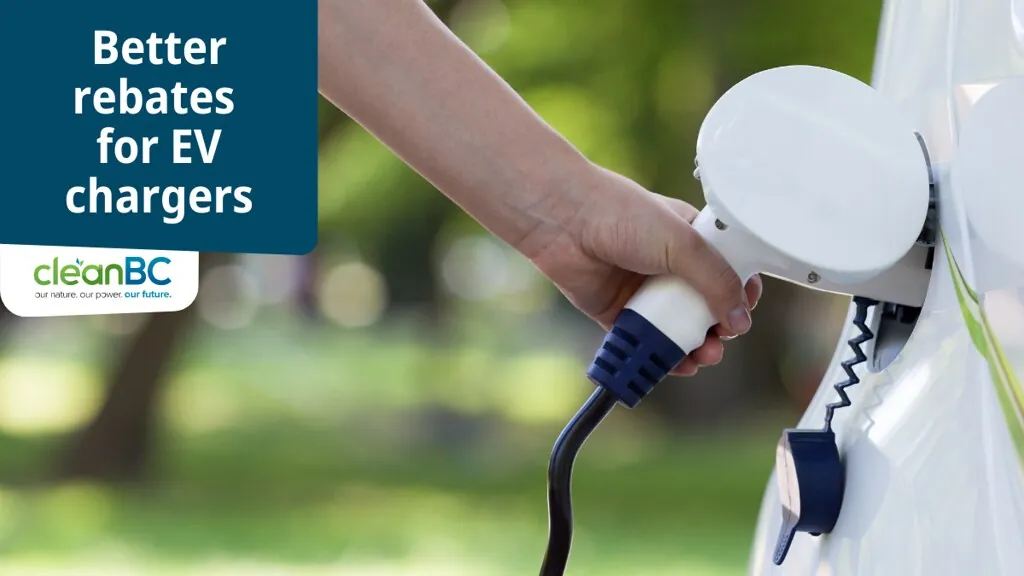
Canadian EV buyers in 2026 can combine federal rebates, provincial incentives, and sometimes utility programs to reduce the cost of a new electric vehicle by several thousand dollars. The federal Electric Vehicle Affordability Program (EVAP) is the backbone of national EV incentive policy, while a reshuffled set of provinces — PEI, Manitoba, Yukon, Quebec, Newfoundland and Labrador, and the Northwest Territories — offer additional purchase rebates. Understanding how these programs interact — and which eligibility rules apply — is essential for buyers who want to maximise their savings at purchase.
Federal EVAP Program
The federal EVAP rebate provides point-of-sale discounts of up to $5,000 for eligible new battery-electric (BEV) and fuel-cell vehicles (FCEVs), and up to $2,500 for eligible plug-in hybrids (PHEVs), applied by the dealership at purchase or lease. EVAP replaced the old iZEV program, which ended in 2025, and its maximums step down each year — $4,000 in 2027, declining to $2,000 in the program's final years — so the federal layer shrinks the longer you wait. Eligible vehicles are listed on Transport Canada's website under an MSRP ceiling of roughly $50,000, and buyers should verify that their chosen model and trim qualify before visiting a dealership, because not all variants of a model line make the list.
Provincial Programs
The provincial map has been redrawn. Prince Edward Island pays up to $4,000 on a new BEV ($2,000 PHEV), Manitoba up to $4,000 new and $2,500 used, and Yukon up to $5,000 (BEV) or $3,000 (PHEV) — the strongest passenger rebate outside the territories, where the Northwest Territories leads the country at up to $7,500 where the grid supports it. Quebec has slimmed its famous program to up to $2,000 on a new BEV plus up to $600 for a home charger, and Newfoundland and Labrador pays up to $2,500 (BEV) / $1,500 (PHEV). At the other end, British Columbia has paused/ended passenger rebates (commercial and fleet programs remain), New Brunswick and Nova Scotia have ended theirs, and Ontario, Alberta, Saskatchewan, and Nunavut offer no purchase rebate — Ontario's Green Licence Plate HOV access is the lone perk. Rebate eligibility is tied to the province of purchase and registration, not the buyer's previous province.
Stacking Rebates
Where a provincial program is active, it stacks directly on top of the federal EVAP rebate. Combined maximums now reach up to $12,500 in the Northwest Territories, $10,000 in Yukon, $9,000 in PEI and Manitoba, and $7,500 in Quebec and Newfoundland and Labrador — enough to move a mid-priced EV into economy-car territory. Most provincial rebates and the federal discount are applied at point of sale through participating dealers, though some programs are claimed post-purchase; buyers should confirm the claiming process before signing because delayed rebate cheques affect cash-flow planning for buyers who budget based on instant discounts.
Home Charger Rebates
Separate from vehicle rebates, provincial and utility programs offer installation rebates for Level 2 home chargers: Yukon covers 50 per cent up to $1,500, BC up to 50 per cent capped at $350, Quebec up to $600, and the Northwest Territories up to $500; PEI, Manitoba, and several utilities elsewhere run their own support or financing programs. Some programs require certified electrician installation and smart charger compatibility, while others are more flexible. Applicants should confirm eligibility requirements before purchasing equipment because post-installation claims may be denied if the installation does not meet program specifications.
Price Caps and Timing
Most programs set MSRP or transaction-price ceilings — roughly $50,000 federally, and commonly $65,000–$70,000 provincially — so a loaded trim can disqualify a vehicle whose base model qualifies. And because EVAP maximums step down annually and provincial programs have been paused with little notice (BC, New Brunswick, Nova Scotia), the calendar matters as much as the sticker: every year you wait, the federal layer is worth less.
Looking for EV deals, insurance, or financing? Check out our partner deals and offers.
If you found this guide helpful, use our Tesla referral link for free Supercharging credits on a new Tesla purchase or lease in Canada.
Next story · swipe left
Next story
Tesla Extended Service Agreement Canada: Is It Worth Buying?
7 min read
We read Tesla Canada's actual Extended Service Agreement so you don't have to — what it covers, what it excludes, how much it costs per month, and who should buy it.
The Charge Brief
Get Canada’s EV transition in your inbox
One email a day. No spam, unsubscribe anytime.