policy
Chinese EV Makers Seek Safety Certification as Quota Usage Hits 31%
Canada's 49,000-vehicle Chinese EV quota is only 31% used after eight months, and the federal government says the slow start is partly because Chinese automakers are still seeking safety certification to sell here. The next six months should tell us whether the Carney-Xi trade deal actually delivers affordable EVs to Canadian buyers.
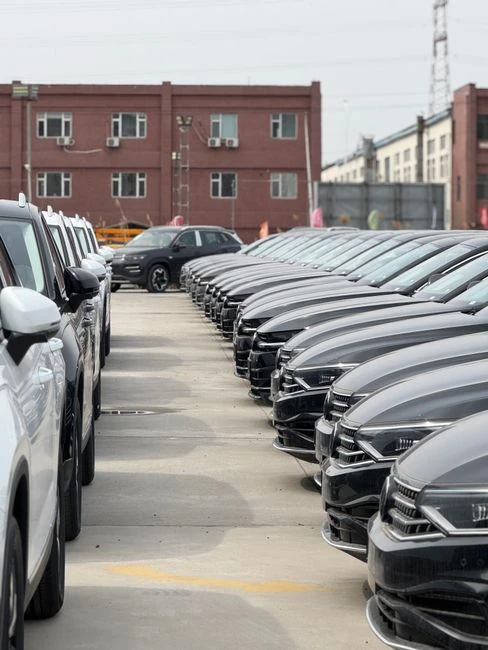
The federal government expects the pace of Chinese-built electric vehicle arrivals in Canada to pick up sharply in the next six months — but not because the quota is filling up. It's because the companies that bought import permits still need to clear Canada's safety certification process before they can sell what they bring in.
According to a Financial Post report citing International Trade Minister Maninder Sidhu's office, about 15,600 Chinese-made EVs had entered Canada under the Carney-Xi trade arrangement as of mid-September. That's roughly 31 percent of the 49,000-vehicle annual quota, which runs until January 2027 under a 6.1 percent most-favoured-nation tariff that replaced the previous 100 percent surtax.
Why the quota is filling slowly
The government anticipated a lag. A spokesperson for the minister told Financial Post that businesses need time to enter new markets — and in Canada's case, that means more than just shipping vehicles. Chinese automakers must also receive safety certifications from Transport Canada before their models can be offered for sale to consumers.
"The Ministry of International Trade expects the number of Chinese-made electric vehicles arriving in Canada to significantly accelerate in the next six months," the spokesperson said, noting that certification timelines, not quota scarcity, are the current bottleneck.
What 31 percent usage means for buyers
- Sub-$35,000 imports are already here: About half of the 15,600 vehicles imported so far carried an import price below $35,000, according to the government.
- Tesla is the dominant importer so far: The Shanghai-built Model 3 RWD Premium — priced from $39,490 CAD in Canada — has accounted for the bulk of quota usage in the first months.
- Chinese-brand EVs are still coming: BYD, Geely, and other manufacturers are working through certification, with first consumer-facing models expected in the second quota window.
- No federal rebate on Chinese-built EVs: Vehicles manufactured in China remain ineligible for the federal Electric Vehicle Affordability Program because China does not have a free-trade agreement with Canada.
The bigger trade picture
The EV quota is only one piece of the January 2026 arrangement between Prime Minister Mark Carney and Chinese President Xi Jinping. In exchange for reduced EV tariffs, China cut retaliatory duties on Canadian canola seed, seafood, and peas. The two leaders are expected to review the full arrangement at the Asia-Pacific Economic Cooperation summit in China in roughly 10 weeks.
For Canadian car buyers, the practical effect of the slow start is patience. The 49,000-vehicle cap represents less than 2.6 percent of the 1.9 million new vehicles sold in Canada in 2024, according to Statistics Canada data cited in reporting on the deal. The real test of the arrangement isn't the quota number — it's whether certified, affordable Chinese-brand models reach Canadian showrooms before the second window closes in March 2027.
Looking for EV deals, insurance, or financing? Check out our partner deals and offers.
If you found this guide helpful, use our Tesla referral link for free Supercharging credits on a new Tesla purchase or lease in Canada.
Next story · swipe left
Next story
How Much Does It Cost to Charge an EV in Canada? A Province-by-Province Breakdown
5 min read
Charging an EV in Canada costs a fraction of gasoline — but the savings depend on where you live. Real numbers for home and public charging across every province.
The Charge Brief
Get Canada’s EV transition in your inbox
One email a day. No spam, unsubscribe anytime.