
policy
teslaJapan Cuts Tesla EV Subsidies by 40% Starting January 2027
Japan's METI is slashing Clean Energy Vehicle subsidies by roughly 40% for Model 3, Model Y, and other EVs registered after January 1, 2027, as the national budget runs out early.
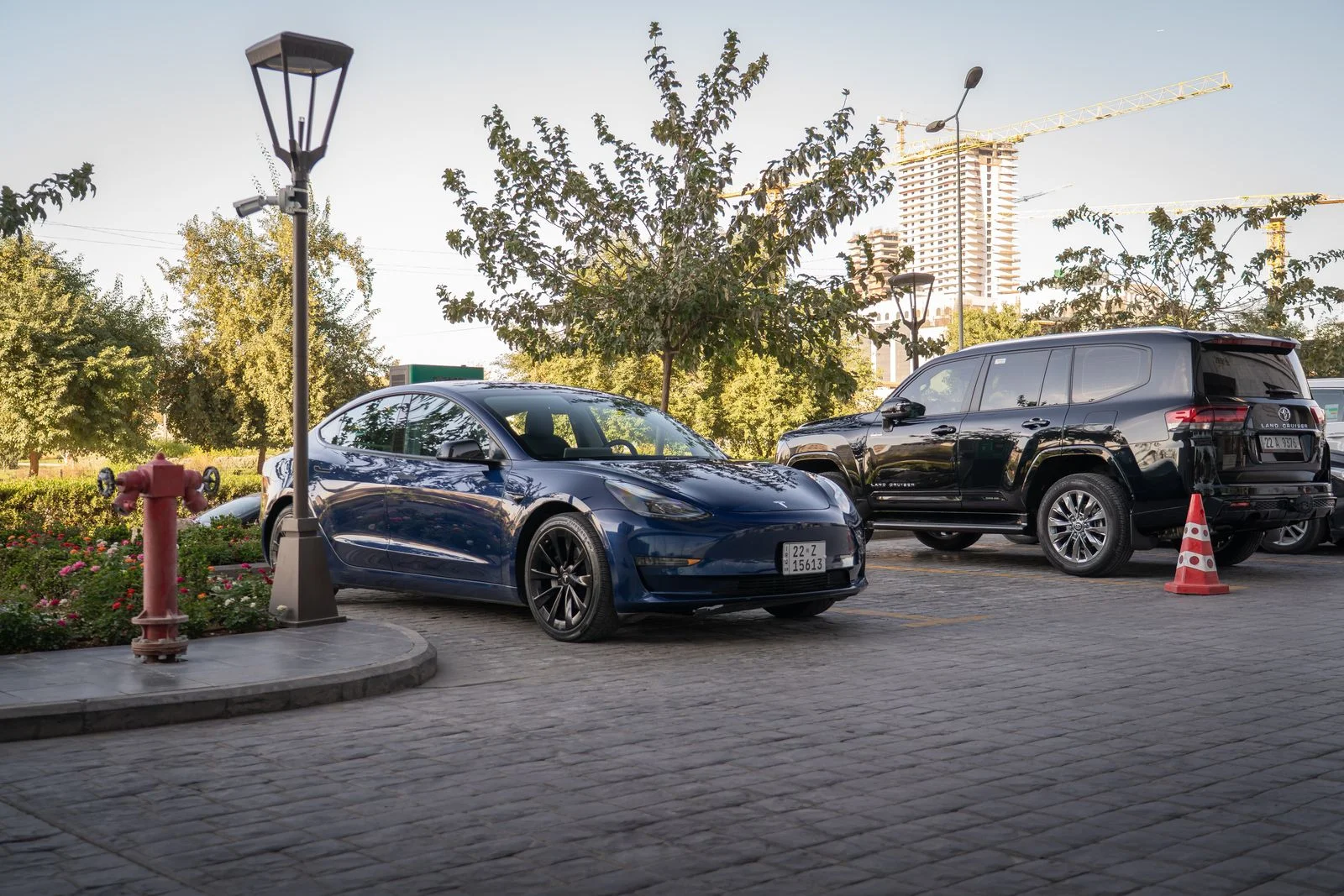
Japan's Ministry of Economy, Trade and Industry (METI) has announced a roughly 40 per cent cut to electric vehicle subsidies under the Clean Energy Vehicle (CEV) program, effective for all vehicles registered on or after January 1, 2027. The move comes as the government expects the existing subsidy budget to be exhausted before the final application deadline of February 12, 2027.
Rather than let the program run out of funds mid-year, METI is lowering per-vehicle incentive amounts so the remaining budget stretches to the deadline. The decision lands just months after Tesla posted a record month in Japan, with nearly 4,000 registrations in June 2026.
What the subsidy cuts mean by model
According to the official model-by-model subsidy table published by the CEV program:
- Model 3 and Model Y (all variants, including Performance and Model Y L): subsidy drops from ¥1,270,000 (C$11,316) to ¥762,000 (C$6,789) — a reduction of about C$4,527 per vehicle.
- Model S and Model X (including Plaid variants): subsidy drops from ¥1,016,000 (C$9,053) to ¥609,000 (C$5,426) — a reduction of about C$3,627.
- Top-tier BEV incentive cap: falls from ¥1,250,000 (C$11,138) to ¥750,000 (C$6,683).
Japan's subsidy formula uses a scoring system that evaluates each automaker's overall EV effort, so the exact amount a buyer receives can vary by model and trim. The figures above reflect the current published table for Tesla's lineup.
Why it matters for Canadian buyers
While the cut applies to Japan-registered vehicles, it signals a broader trend in Asia-Pacific markets where government EV incentives are being tightened as budgets tighten. Canadian buyers should note that Tesla's Canadian pricing and incentive landscape is governed separately by the federal iZEV program and provincial rebates, which are not affected by Japanese policy. However, a sustained shift in Japanese demand could influence Tesla's global production allocation and, indirectly, Canadian availability of high-demand trims.
Tokyo has also introduced additional local incentives that, when stacked with the national subsidy, helped bring effective Tesla prices close to half the sticker price in the capital. Those city-level programs are separate from the national CEV cut and remain in effect for 2026 registrations.
What to watch
- Whether METI announces a supplemental budget top-up before the February 2027 deadline.
- Toyota and other domestic manufacturers' response — the scoring system means a competitor's stronger EV push could further dilute per-vehicle payouts.
- Tesla's Japan sales trajectory heading into 2027, particularly if the Model Y L remains in high demand despite the lower subsidy.
Looking for EV deals, insurance, or financing? Check out our partner deals and offers.
If you found this guide helpful, use our Tesla referral link for free Supercharging credits on a new Tesla purchase or lease in Canada.
Next story · swipe left
Next story
Canada's EV Fast-Charger Base Grows 4.2% in Q3 2026 — But Utilisation Remains Below 20% Threshold
5 min read
Paren's Q3 2026 report shows Canada added 391 fast-charging ports, bringing the national total to 9,615. Utilisation rose to 10.7%, averaging C$0.486/kWh, but no province yet hits the 20% profitability threshold.
The Charge Brief
Get Canada’s EV transition in your inbox
One email a day. No spam, unsubscribe anytime.