
infrastructure
Canada's EV Fast-Charger Base Grows 4.2% in Q3 2026 — But Utilisation Remains Below 20% Threshold
Paren's Q3 2026 report shows Canada added 391 fast-charging ports, bringing the national total to 9,615. Utilisation rose to 10.7%, averaging C$0.486/kWh, but no province yet hits the 20% profitability threshold.
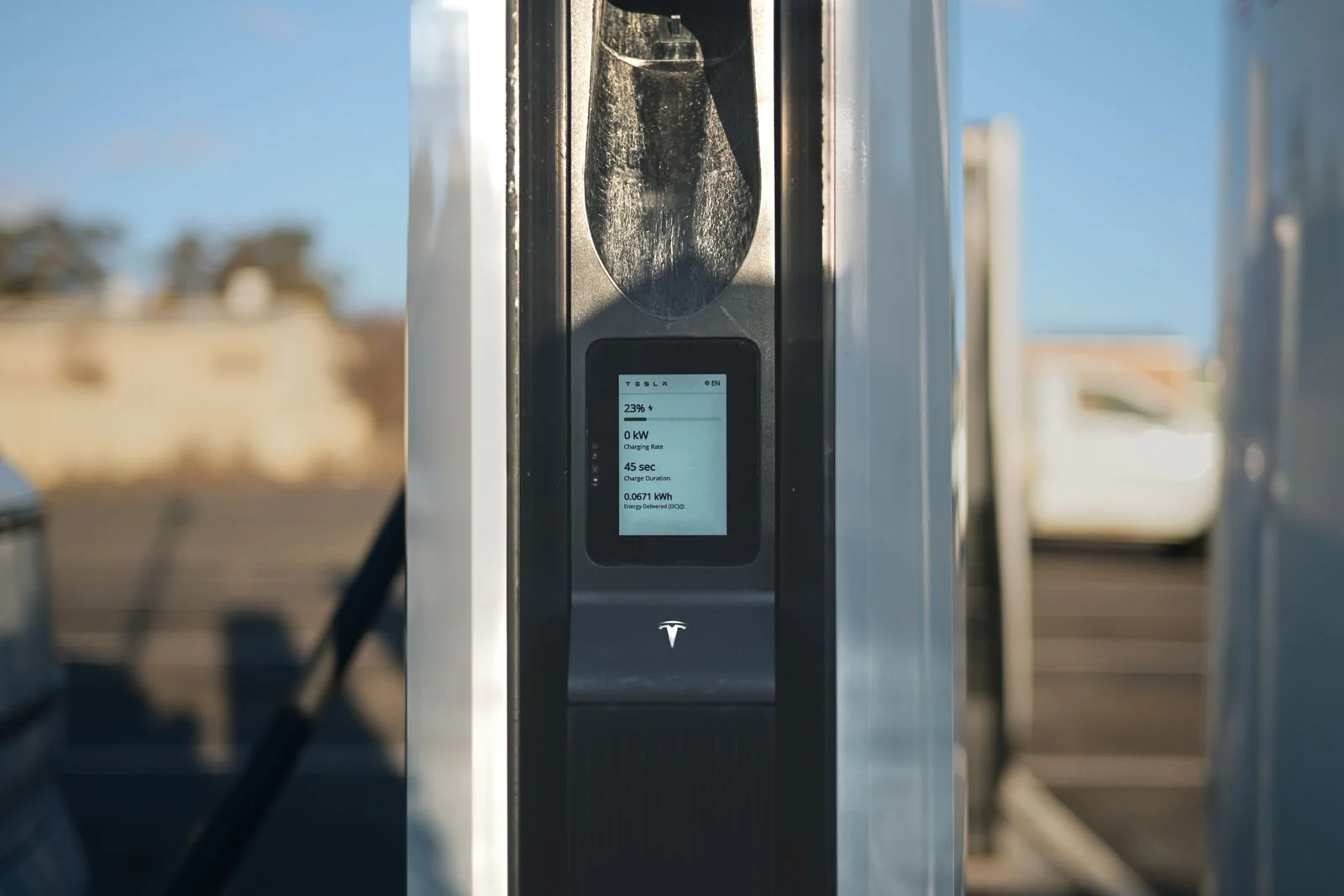
Canada's public fast-charging network added 391 new ports in the third quarter of 2026, according to the latest quarterly report from Paren, the US-based EV charging data firm. The figure represents a 4.2 per cent increase in the total installation base, which now stands at 9,615 fast-charging ports nationwide.
The 391 additions mark the fourth consecutive quarter of quarter-on-quarter decline in new fast-charger deployments, down from 402 in Q2 and 565 in Q1. However, the longer-term trend remains positive: the national base is up 26.8 per cent year-over-year.
Utilisation rates climb but fall short of profitability
Among networks tracked by Paren, average charger utilisation rose from 9.4 per cent in Q2 to 10.7 per cent in Q3 2026. Ninety-six per cent of tracked ports saw their utilisation rate improve quarter-over-quarter. The figure is broadly in line with late-2025 levels — 11.5 per cent in Q3 2025 and 11.7 per cent in Q4 2025 — and represents a recovery from the Q2 2026 dip to 9.6 per cent.
Despite the improvement, no Canadian province or territory has reached the 20 per cent utilisation threshold that the industry considers necessary for long-term financial viability. Daniel Breton, president and CEO of Electric Mobility Canada, noted in his foreword to the report that the sector is "far from" financially healthy and will continue to need government support to expand the network.
Provincial highlights
- British Columbia: highest provincial utilisation at 13.1 per cent; third-most operational chargers nationally.
- Ontario: utilisation at 11.5 per cent; second-most operational chargers.
- Québec: utilisation at 8.5 per cent, below the same period in 2025 — a concern for the province with the largest charger network.
- Nova Scotia and Saskatchewan: led the country in quarter-over-quarter price declines, at 11.2 per cent and 7.3 per cent respectively.
- Yukon: the only territory to see a price increase, reaching C$0.58/kWh.
Pricing trends
The national average fast-charging price fell to C$0.486 per kilowatt-hour in Q3 2026, down from C$0.50 in Q2 and C$0.494 a year earlier. Price declines were recorded in both mature and less-mature markets, with Québec, Ontario, and British Columbia all reporting lower average rates.
Charger power mix shifts
Canada is not "racing to faster charging" at the same pace as the United States. In Q3 2026, chargers in the 150–249 kW band accounted for 42 per cent of new additions — down from 50 per cent in Q2 and the first quarter in over a year where that band fell below half. The 250–399 kW band grew to 31 per cent of new installs, while 400+ kW chargers accounted for just 2 per cent, down from 5 per cent in Q2 and 17 per cent in Q1.
By comparison, in the US, 73 per cent of Q3 new ports were 250 kW or higher and 31 per cent were 400 kW or more. The gap is widest outside Tesla: 61 per cent of non-Tesla US ports were 250+ kW, compared with 14 per cent in Canada.
Tesla's share of Canada's fast-charging ports declined to 32.1 per cent from 36 per cent a year earlier, even as its absolute number of ports grew from 2,729 to 3,091. Because Tesla has disproportionately installed high-power chargers, its reduced share of new installations means fewer ultra-fast chargers are coming online in Canada.
Policy backdrop
The report's findings arrive amid a shifting policy landscape. The federal government has frozen average emission standards for passenger cars and light-duty vehicles, a move that could reduce demand-side incentives for new EV purchases. Canada has also paused its 20 per cent EV sales mandate, citing consumer cost concerns. Meanwhile, the national Consumer Price Index rose 3 per cent between August 2025 and 2026, adding pressure on both consumers and charging operators.
Looking for EV deals, insurance, or financing? Check out our partner deals and offers.
If you found this guide helpful, use our Tesla referral link for free Supercharging credits on a new Tesla purchase or lease in Canada.
Next story · swipe left
Next story
Volkswagen Suspends Electric Golf Development Amid Financial Troubles
4 min read
VW pauses the ID. Golf program at Wolfsburg amid its largest quarterly loss in over a decade, 100,000 job cuts, and a €300M cost-cutting shortfall. What it means for Canadian EV buyers.
The Charge Brief
Get Canada’s EV transition in your inbox
One email a day. No spam, unsubscribe anytime.