
infrastructure
Canada Needs 19 Times More EV Chargers by 2040, Most at Home, Says New Report
Canadian Climate Institute report projects 19 million charging ports needed by 2040. 96% will be home chargers. Four barriers stand in the way: MURBs, rural gaps, grid strain, and chicken-and-egg dynamics.

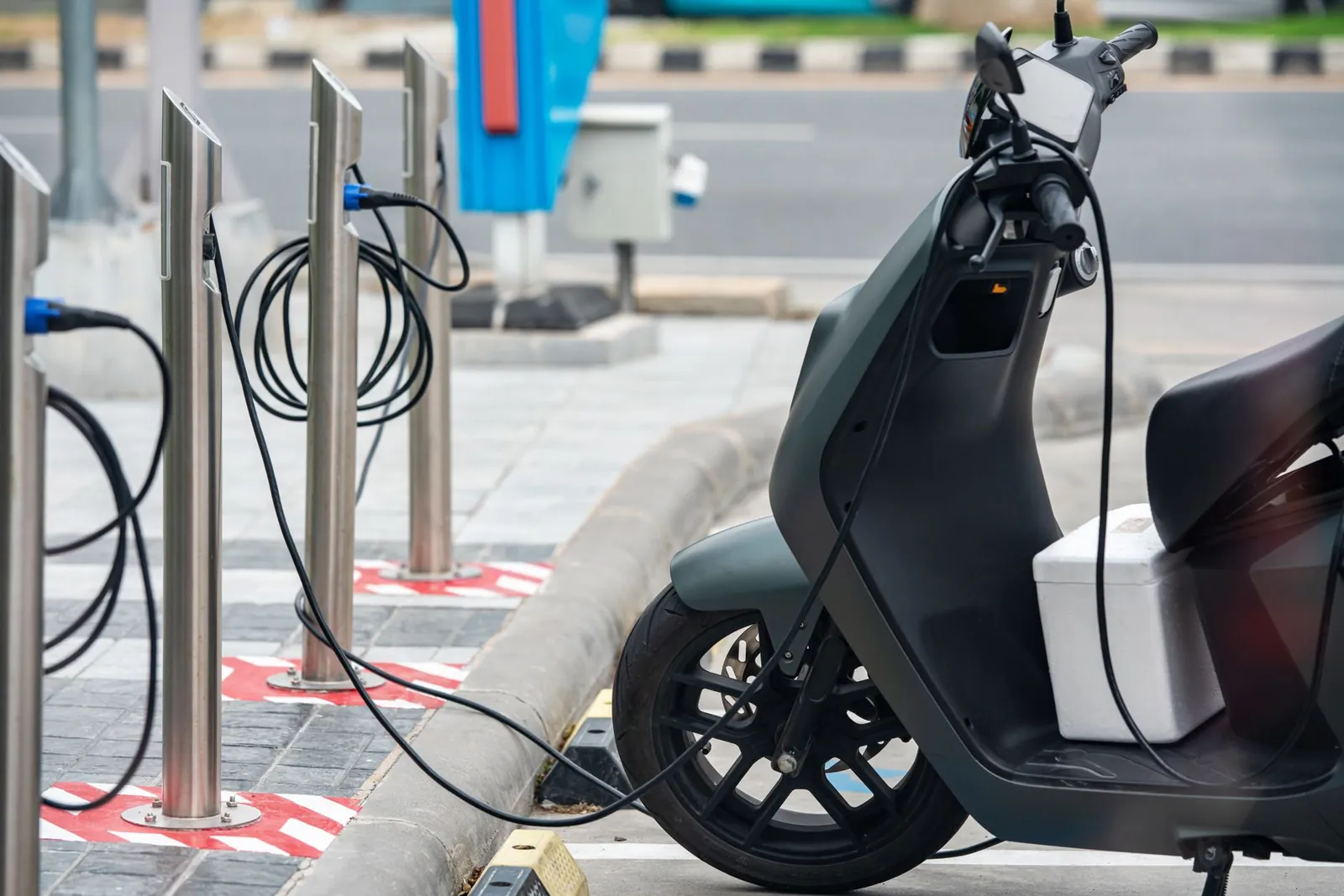
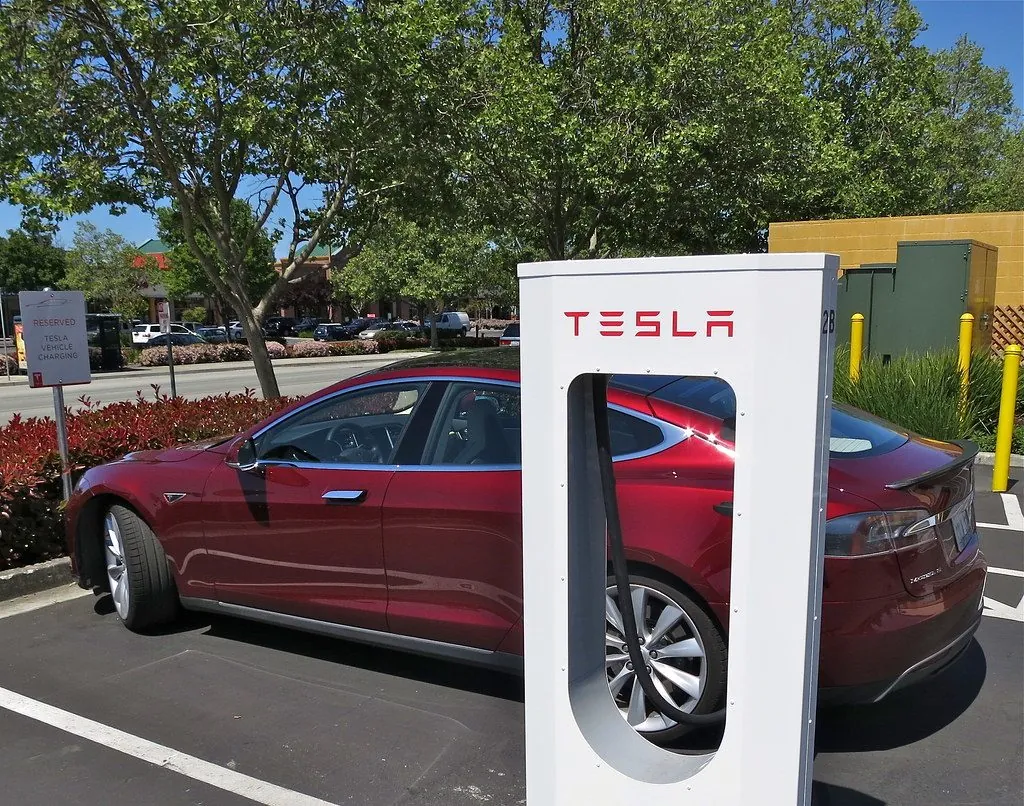
A new report from the Canadian Climate Institute puts a number on Canada's EV charging gap: the country needs roughly 19 times the chargers it has today by 2040. That works out to about 19 million charging ports to support a projected 21 million electric vehicles on Canadian roads, compared with roughly one million chargers and one million EVs currently in use.
The report, titled Leading the Charge, draws on modelling done for Natural Resources Canada. The headline finding is reassuring: 96 per cent of those chargers will be in people's homes, installed when households buy an EV. About 70 per cent of today's public chargers were built without federal funding, meaning the private sector has already been doing much of the heavy lifting.
Four barriers slowing the buildout
Despite the optimistic home-charging math, the report identifies four areas where progress is stalling:
- Chicken-and-egg problem: Drivers wait for chargers before buying EVs; charging companies wait for drivers before building chargers.
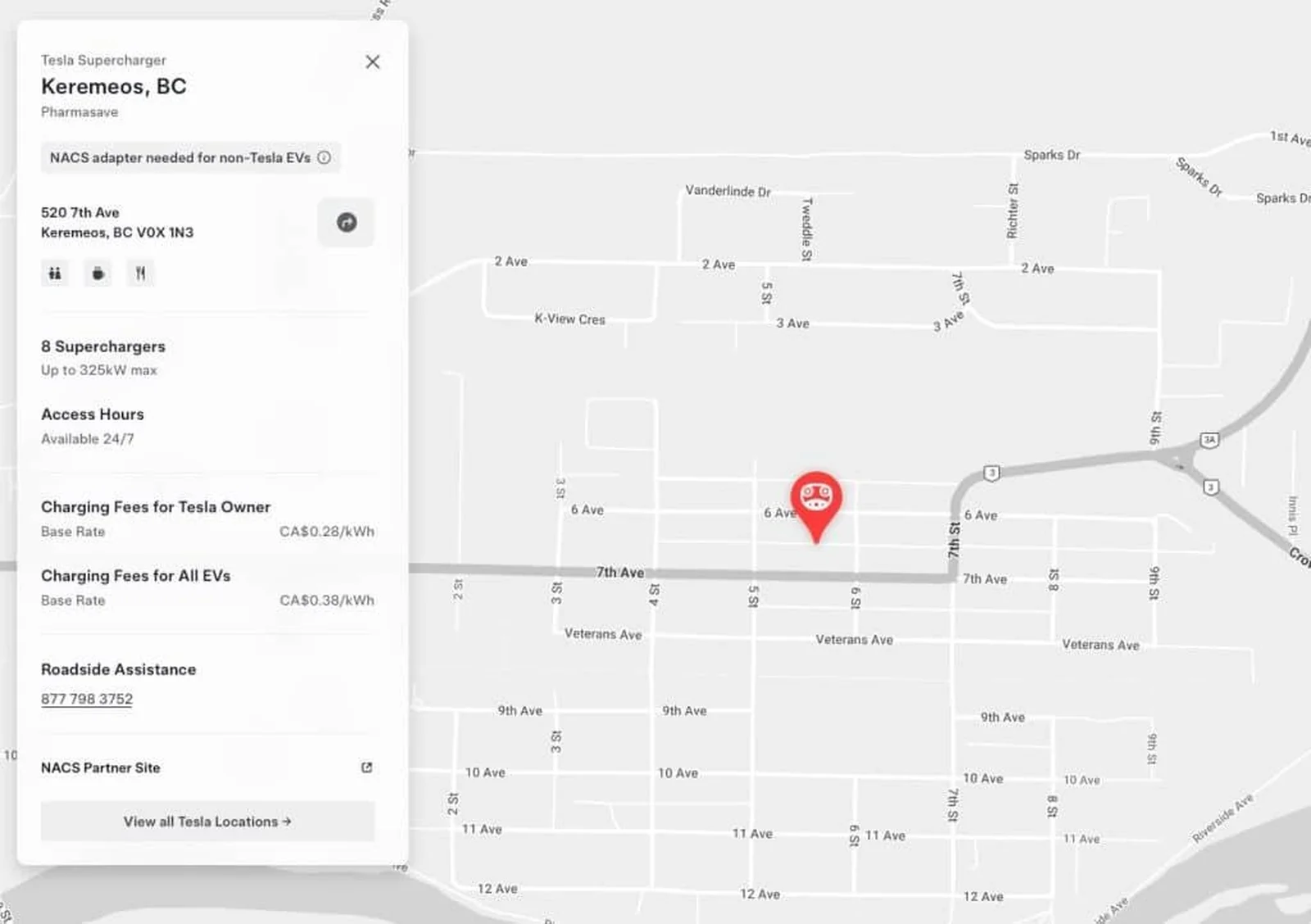
- Rural and remote gaps: In some remote areas, vehicle density is too low for private operators to profit from charging infrastructure. The institute's mapping found stretches of the National Highway System with no fast charger for more than 65 kilometres, and 87 per cent of chargers funded through Ottawa's Zero Emission Vehicle Infrastructure Program up to 2023 were concentrated in Ontario, B.C. and Quebec.
- Multi-unit residential buildings (MURBs): About one-third of Canadians live in MURBs, but only 12 per cent of EV owners do. Retrofitting an existing building for charging can cost three to four times more than making it EV-ready during construction. Outside Quebec, B.C. and some municipalities, few rules require new buildings to be EV charger ready.
- Grid strain: Unmanaged charging could pile onto the evening peak. Modelling cited in the report suggests peak residential EV demand could fall by up to 48 per cent if half of EV drivers joined load-management programs.
Five recommendations
The institute's five recommendations to close the gap:
- Federal government should set tailpipe standards strict enough to meet its goal of EVs making up 75 per cent of new car sales by 2035 and 90 per cent by 2040.
- Federal government should provide dedicated funding for chargers in rural and remote communities and multi-unit buildings.
- Provinces and territories should require all new multi-unit buildings to be EV-ready.
- Provinces and territories should direct regulators to rework demand charges, which one B.C. analysis found made up as much as 80 per cent of charging operators' electricity costs.
- Provinces and territories should direct regulators to maximize managed charging for Level 2 home chargers.
Policy certainty underpins all of it. Ottawa recently delayed the start date for its strengthened vehicle emissions standards while keeping the 2035 target. "Delaying it will require a steeper ramp-up in those later years," said Zoe Larkin, the report's author and a senior research associate with the institute. "Maybe just reduces some of that certainty in the short term." She noted that the provinces that have backed EVs and charging alongside Ottawa are the ones seeing the strongest results.
For Canadian drivers, the practical takeaway is that home charging will remain the backbone of the EV infrastructure for the next 15 years. If you're in a condo or apartment building, pressuring your board about EV-ready retrofits now is cheaper than waiting. And if you're in a rural province, the report's call for dedicated federal funding is the one to watch — it's the most direct path to closing the 65-kilometre gaps on the National Highway System.
Source: Electric Autonomy reporting on the Canadian Climate Institute's Leading the Charge report.
Looking for EV deals, insurance, or financing? Check out our partner deals and offers.
If you found this guide helpful, use our Tesla referral link for free Supercharging credits on a new Tesla purchase or lease in Canada.
Next story · swipe left
Next story
Hyundai Q3 2026: EV Sales Fall 9% as Ioniq 5 Plunges 53% in U.S.
4 min read
Hyundai's Q3 2026 results show operating profit up 5.5% but EV deliveries down 9.2%. Ioniq 5 U.S. sales crashed 53% to 10,382 units. Hybrids up 3.8% to 167,414 units.
The Charge Brief
Get Canada’s EV transition in your inbox
One email a day. No spam, unsubscribe anytime.