
technology
batteryEV Battery Degradation in Canada: What Is Normal and How to Slow It
EV battery degradation in Canadian winters and daily use — what is normal, what voids warranties, and how to preserve battery health through heat, cold, and charging habits.
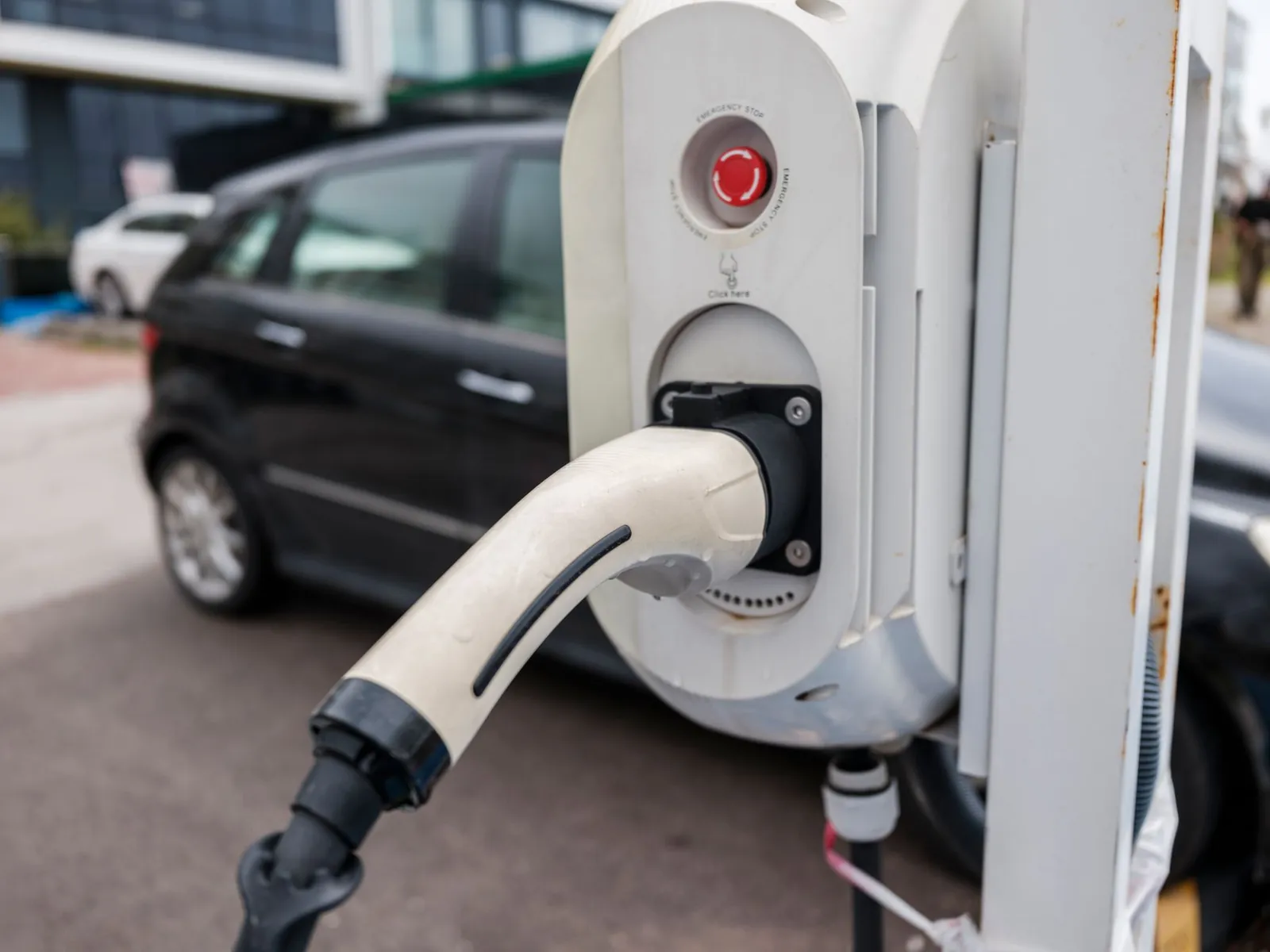
Battery degradation is the most common long-term concern for Canadian EV buyers. A battery that loses capacity over time reduces range, resale value, and usability, especially in a climate where winter range loss already cuts usable distance. Understanding what degradation is normal, what accelerates it, and how warranty coverage protects you makes the difference between owning a healthy EV for ten years and replacing a pack prematurely.
What Is Normal Degradation
Most EV batteries lose one to two percent of capacity per year under normal use, which means a 400-km range vehicle may show 380 km after three years and 360 km after five years. This degradation is expected and usually covered under the vehicle’s battery warranty. Warranty thresholds vary by manufacturer, but most Canadian EV warranties guarantee at least 70 percent capacity for eight years or 160,000 kilometres. If your battery degrades faster than the warranty threshold, the manufacturer may replace or repair the pack.
Heat Is the Bigger Enemy
Cold weather reduces range but does not permanently damage EV batteries if you charge and store the vehicle correctly. High temperatures are the real threat. Repeated exposure to extreme heat — from parking in direct sun without ventilation, fast charging in hot weather, or storing the battery at full charge in high temperatures — accelerates capacity loss. Canadian buyers should prioritize garage parking in summer and avoid leaving the vehicle at 100 percent charge for extended periods during heat waves.
Charging Habits That Help
Most EV manufacturers recommend keeping the battery between twenty and eighty percent for daily use, reserving full charges for trips. This reduces stress on the cells and slows degradation. Frequent DC fast charging is convenient but generates more heat than Level 2 charging; road-trippers should combine fast charging with overnight Level 2 stops when possible. If your vehicle offers a battery preconditioning or thermal management setting, use it before fast charging in hot or cold weather.
Warranty and Resale
A valid battery warranty improves resale value because buyers know the pack is protected. Keep all service records, battery health reports, and warranty documentation. When selling, disclose any battery replacements or warranty claims honestly. Buyers of used EVs should request a battery health report before purchase and verify that the warranty transfers to the new owner — most Canadian warranties do transfer, but terms vary.
Looking for EV deals, insurance, or financing? Check out our partner deals and offers.
If you found this guide helpful, use our Tesla referral link for free Supercharging credits on a new Tesla purchase or lease in Canada.
Next story · swipe left
Next story
Canadian EV Buyers Guide 2026: Top Picks and Tips
7 min read
Canadian EV buyers guide for 2026 — top models, pricing, incentives, range, charging, and which EV makes the most sense for Canadian climates and driving patterns.
The Charge Brief
Get Canada’s EV transition in your inbox
One email a day. No spam, unsubscribe anytime.