
policy
chineseFirst Chinese EVs Arrive in Canada Under the New Import Quota: What's Actually Here
The first Chinese-built electric vehicles are landing at Canadian ports under the Carney government's 24,500-vehicle import quota — and BYD is the brand most often named. Here is what the import data shows and what it means for Canadian EV prices.
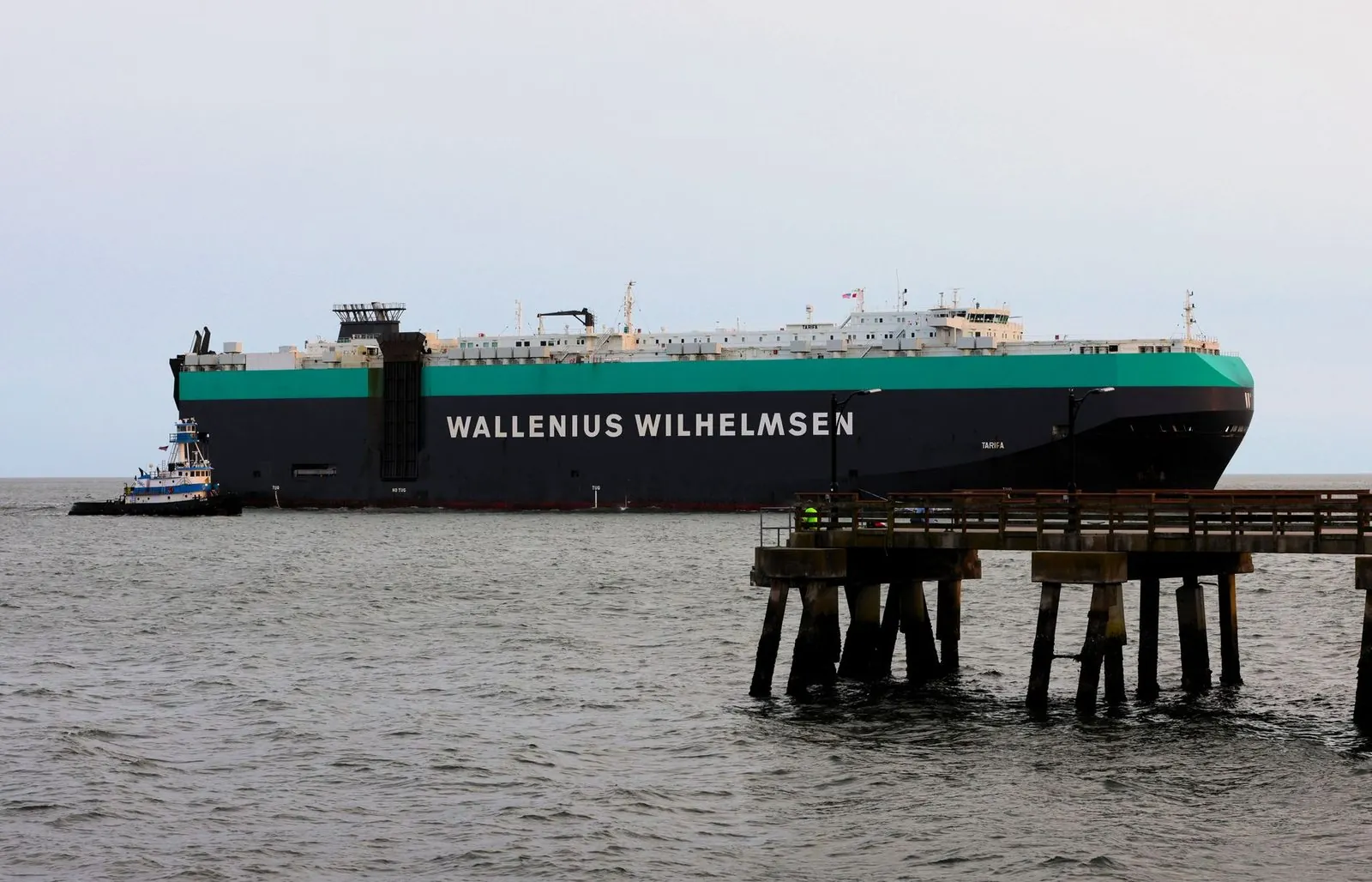
For the first time since Canada imposed its 100 percent surtax on Chinese-built electric vehicles, cars assembled in China are legally arriving at Canadian ports. The floodgates have not opened — the program is a quota, not free trade — but the latest import data shows the pipeline is real and accelerating.
The numbers behind the deal
Under the arrangement the Carney government struck, a total of 24,500 Chinese-built EVs are permitted into Canada during the 2026 program window running March 1 to August 31. Global Affairs Canada's latest report shows 6,531 vehicles imported so far — just over a quarter of the allocation — up from 2,910 in the previous count. The pace is picking up: more vehicles arrived in the six weeks between reports than in the entire prior period.
Who is actually importing
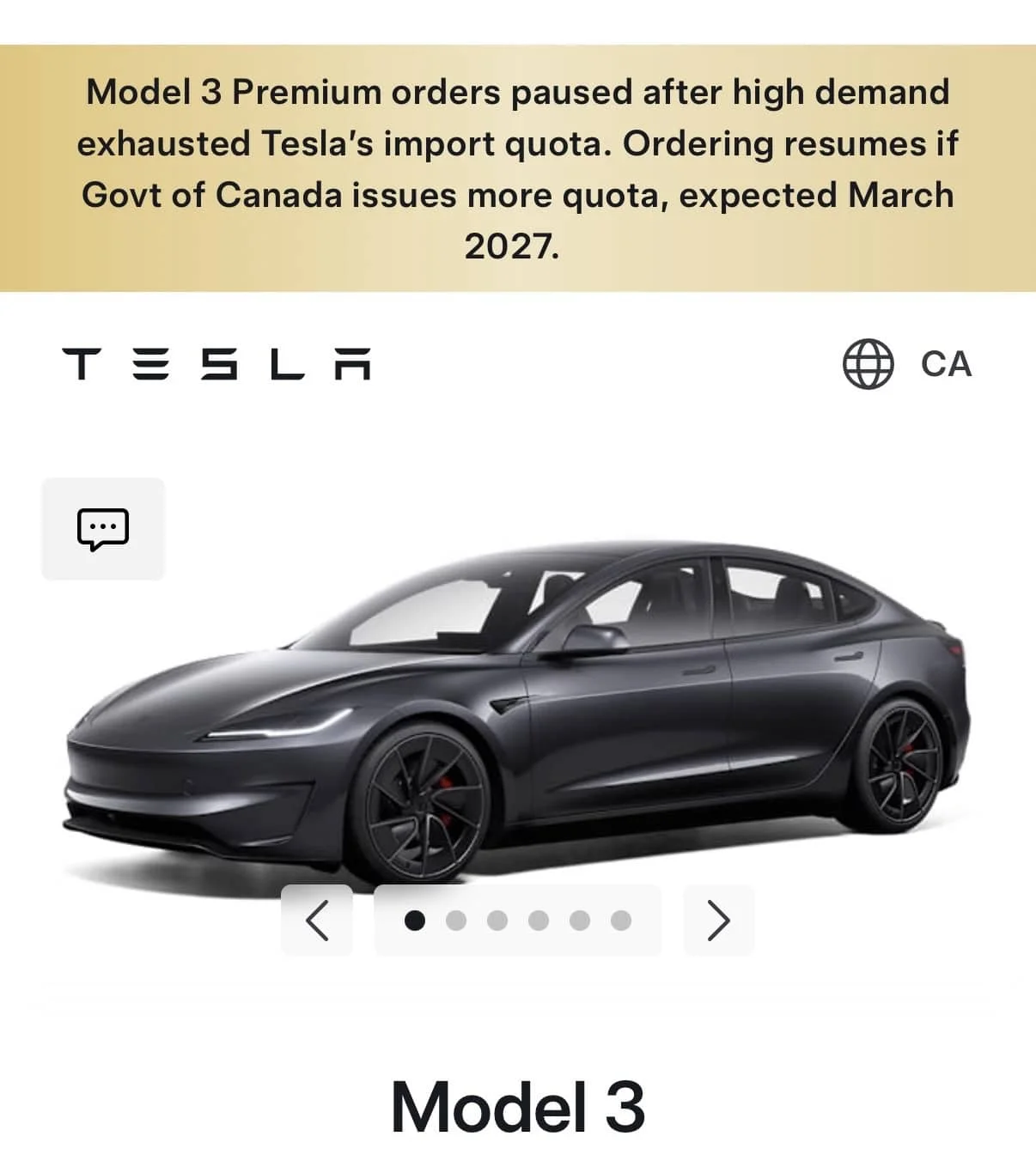
The report does not name manufacturers, but the customs classifications tell the story. The bulk of entries — 4,080 vehicles — are electric passenger cars valued at over C$35,000, a bucket that includes the Shanghai-built Tesla Model 3 and Model Y. What is new is the second category: 2,430 cars valued under C$35,000, a price band where Tesla does not play. Those are the first genuinely Chinese-brand vehicles, and consumer-facing models from BYD are the widely reported candidates as the program matures. Federal ministers have also been clear about the deal's industrial logic — the quota is tied to Chinese investment in Canadian assembly, not one-way imports. Ottawa has already rejected "cars in a kit" schemes that would have seen Chinese EVs assembled here with minimal local content.
What it means for Canadian buyers
Do not expect BYD Seagull prices overnight. The quota covers only a fraction of Canada's annual EV sales, vehicles imported under it still carry the regular import duties, and the sub-$35,000 customs-value band is where the affordable models will come from. Still, the direction matters. Canadian EV prices have been drifting up for two years as incentives wound down; the arrival of Chinese-brand competition — even quota-limited — applies downward pressure for the first time. For buyers, the practical move is patience: watch which brands actually register with Transport Canada, which models clear provincial insurance and parts-support hurdles, and whether any arrive in showrooms before winter.
Looking for EV deals, insurance, or financing? Check out our partner deals and offers.
If you found this guide helpful, use our Tesla referral link for free Supercharging credits on a new Tesla purchase or lease in Canada.
Next story · swipe left
Next story
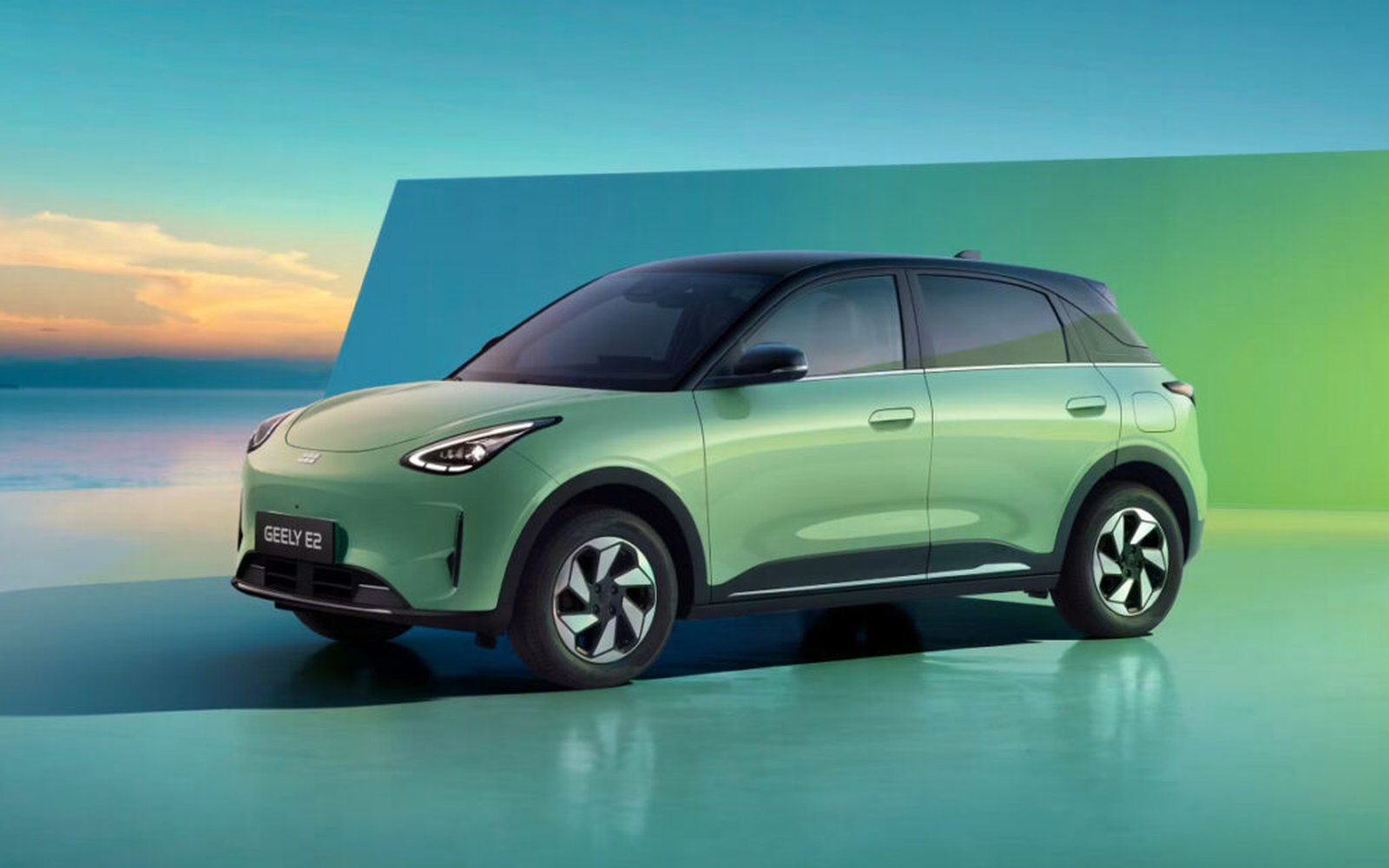
Geely Confirms Canadian Market Entry for 2027, Establishes Markham Headquarters
4 min read
Chinese automaker Geely Auto Group formally announces 2027 launch timeline with leadership team in place and dealer network development underway. First Chinese mass-market EV brand to enter under Carney-Xi quota deal.
The Charge Brief
Get Canada’s EV transition in your inbox
One email a day. No spam, unsubscribe anytime.