
policy
Canada Freezes Fleet Emissions Standards Through 2029, Announces $2.5B Auto Investment
The federal government and Ontario will hold the fleet-average GHG standard at 172 g/mi through 2029. Annual tightening resumes in 2030. Here's what it means for EV adoption.

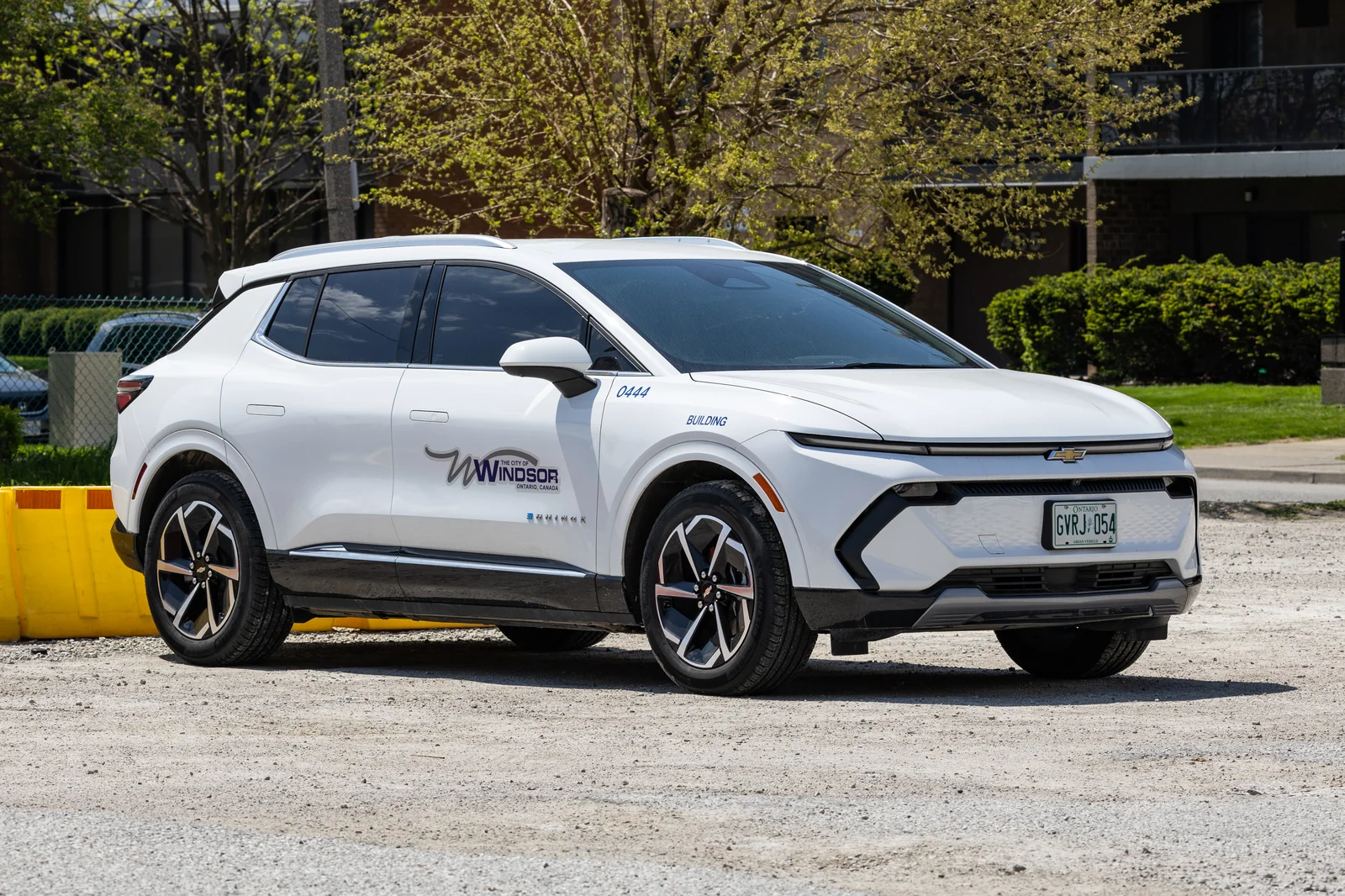
Canada's federal government and the province of Ontario have announced a joint package of measures that freezes the fleet-average greenhouse gas emissions standard for light-duty vehicles at 2026 levels (172 grams per mile, or approximately 107 grams per kilometre) through 2029. Annual tightening of the standards will resume starting with the 2030 model year, with a long-term target of 75% electric vehicle sales by 2035 — equivalent to a fleet average of 74 grams of CO₂ per mile.
The justification
"Maintaining the fleet average performance standard will provide manufacturers with near-term flexibility at a time when the industry is facing trade-related pressures," reads the joint declaration by Prime Minister Mark Carney and Ontario Premier Doug Ford. The announcement also allows manufacturers to accumulate greenhouse gas credits for future years while gradually improving emissions performance and fuel efficiency.
$2.5 billion for auto industry investment
Alongside the emissions timeline revision, the federal and Ontario governments plan to provide a further $2.5 billion over two years to support large-scale automotive capital projects. Up to $1.5 billion will come from the federal government and up to $1 billion from Ontario. The funds are intended to help companies adapt to changing economic conditions, strengthen competitiveness, and secure jobs along the supply chain.
The backdrop is the trade policy pressure from the United States, including the 25% tariffs introduced in March 2025 on imports of cars and auto parts from Canada. Prime Minister Carney noted that Canada's car exports to the US had declined by more than 10% since then, while US exports to Canada had fallen by more than 20%. "Your course has changed — and ours must too," Carney said.
Industry and environmental reactions
The auto industry welcomed the additional time. Brian Kingston, President and CEO of the Canadian Vehicle Manufacturers' Association, stated that the measures "create a more predictable and competitive regulatory environment that could help protect jobs, production, and investment."
Environmental organizations were critical. Clean Energy Canada warned that the pause would "increase pressure on the remaining years and could make it harder to achieve long-term targets," and pointed to potential consequences for EV adoption, charging infrastructure investment, and household fuel costs. The Pembina Institute expressed stronger doubts, questioning whether the 75% EV sales target by 2035 remains achievable under the revised framework.
Whether Canada can still hit its 2035 EV share despite the extended pause remains uncertain. For manufacturers, the pause means more short-term flexibility — but the emission standards will need to drop significantly more steeply in subsequent years if the 2035 target is to remain viable.
Looking for EV deals, insurance, or financing? Check out our partner deals and offers.
If you found this guide helpful, use our Tesla referral link for free Supercharging credits on a new Tesla purchase or lease in Canada.
Next story · swipe left
Next story
Guide to Tesla Winter Driving in Canada for 2026
6 min read
Range loss, preconditioning, winter tires and Supercharging tips for Canadian Tesla drivers preparing for winter.
The Charge Brief
Get Canada’s EV transition in your inbox
One email a day. No spam, unsubscribe anytime.