

Plug-in Cars Hit 28% of Global Sales as Canada Reaches 13% Penetration
Global plug-in vehicle sales have reached 28% of all new car sales, with Canada's market share climbing to 13% — a milestone that reshapes dealer inventory strategy and charging infrastructure investment.

Plug-in electric vehicles have now reached 28% of global new-car sales, according to a MarketScale industry report published November 6, with Canada's market penetration climbing to 13%. The milestone marks a structural shift in the auto industry: plug-in vehicles are no longer a niche segment but a mainstream product category that dealers, manufacturers, and infrastructure providers must plan around.
The global and Canadian numbers
The 28% global figure represents a significant acceleration from the roughly 18–20% range seen in early 2025, driven by a combination of falling battery costs, expanding model availability, and government incentive programs in Europe and Asia. Canada's 13% share, while below the global average, reflects a rapid uptick from single-digit penetration in 2024 and positions the country as one of the fastest-growing EV markets in North America.
- Global plug-in share: 28% of new vehicle sales
- Canada plug-in share: 13% of new vehicle sales
- Drivers: Falling battery costs, expanded model range, government incentives
- Canada-specific tailwinds: iZEV rebate (up to $5,000), provincial EV programs, expanding charging network
What the 13% figure means for Canadian EV owners
As Canada's plug-in penetration approaches one in eight new vehicles, the practical implications for owners are becoming more tangible. Charging infrastructure — both public DCFC and residential Level 2 — is scaling to meet demand, and the federal government's $587 million EV charging infrastructure program (announced in Budget 2026) targets more than 55,000 additional chargers in underserved areas over five years.
For Canadian buyers still weighing an EV purchase, the 13% milestone signals that the used-EV market is deepening, parts and service networks are expanding, and resale value curves are stabilizing. The segment that was once an "early adopter" category is now a mainstream purchasing decision on par with hybrid and internal-combustion vehicles.
Outlook
Analysts expect Canada's plug-in share to approach 18–20% by mid-2027, supported by the arrival of new affordable models (including Lucid's sub-$50,000 Cosmos SUV in 2027 and expanded Chinese-brand imports under the 49,000-unit annual quota). The combination of falling vehicle prices, expanding charging networks, and sustained policy support makes the next 18 months a critical window for Canadian EV market consolidation.
Looking for EV deals, insurance, or financing? Check out our partner deals and offers.
If you found this guide helpful, use our Tesla referral link for free Supercharging credits on a new Tesla purchase or lease in Canada.
Next story · swipe left
Next story
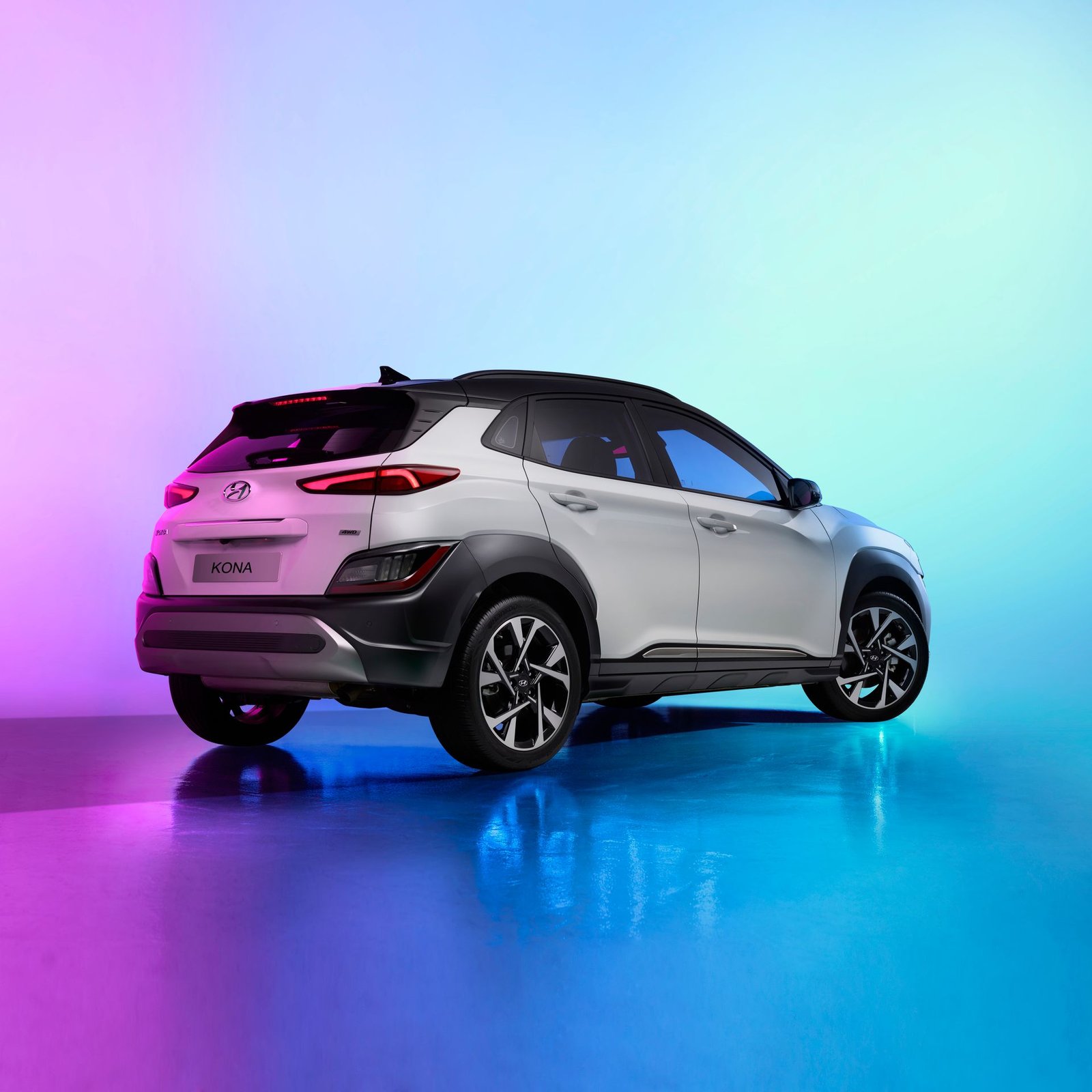
Hyundai Recalls 37,901 Kona EV and Veloster N Vehicles Over Airbag Software Defect
4 min read
Hyundai Motor America filed NHTSA campaign 26V728, recalling 29,058 Kona Electric and 8,843 Veloster N vehicles. A software error in the airbag control unit can deactivate the entire airbag system. Canadian owners should check their VIN before January 1.
The Charge Brief
Get Canada’s EV transition in your inbox
One email a day. No spam, unsubscribe anytime.