policy
teslaB.C. Woman Fined $368 After Tesla Model Y Caught Driving on Highway 1 While She Slept
It is at least the fourth inattentive-Tesla incident in B.C. this year. Police traced the 45-year-old driver to her Maple Ridge home using witness video from Highway 1 in North Vancouver.
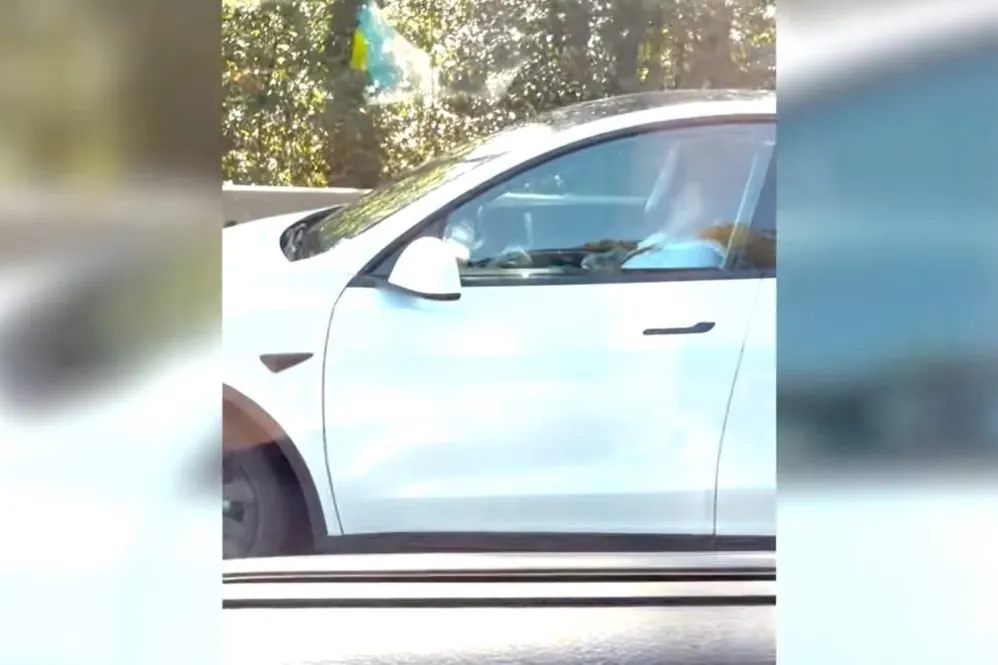
A 45-year-old Maple Ridge, B.C. woman has been fined $368 for driving without due care and attention after witnesses filmed her Tesla Model Y travelling on Highway 1 in North Vancouver with the driver apparently asleep. As Drive Tesla Canada reported Sept. 2, it is at least the fourth incident this year involving an inattentive Tesla driver in British Columbia — and police say the cases will be treated as ordinary impaired-attention driving, full stop.
What happened on August 11
The incident took place shortly before 3:30 p.m. on Aug. 11 on Highway 1 near Mountain Highway in North Vancouver. According to B.C. Highway Patrol, two people travelling beside the Tesla spotted the driver, who appeared to be asleep, contacted police and recorded video of the vehicle from their own car. Using the witness description and other evidence, officers identified the registered owner and located her at her home in Maple Ridge. Police say she matched the description of the driver in the video, and she was issued the $368 ticket.
"Police will not debate self-driving with sleeping drivers"
B.C. Highway Patrol Sgt. Michael McLaughlin's statement is unusually direct about where enforcement stands on driver-assistance technology: "Police will not debate the merits of self-driving technology with sleeping drivers. It's illegal in B.C., and we're here to enforce the law and keep roads safe."
McLaughlin added that driver inattention is a major factor in serious and deadly collisions: "You must be completely focussed and alert when you're behind the wheel of any motor vehicle in BC."
A pattern across B.C. in 2026
The North Vancouver case is separate from a string of similar incidents in the province this year:
- March, Coquitlam: a Model Y driver was ticketed after an officer said she appeared to be asleep in rush-hour traffic on Highway 1.
- July, West Kelowna: a driver received two tickets after allegedly reading documents while driving a Model Y with Full Self-Driving engaged.
- July, Golden-to-Revelstoke: video surfaced of a Tesla driver who appeared asleep on Highway 1, prompting an RCMP investigation that has had no public updates.
The Canadian legal reality of Level 2 systems
However capable Tesla's Autopilot and Full Self-Driving (Supervised) systems feel in daily use, they remain Level 2 driver-assistance systems under every Canadian regulatory framework — meaning the driver must stay attentive and keep hands on, or at least immediately near, the wheel, ready to take over. No system sold in Canada today makes sleeping behind the wheel legal. The B.C. cases underline how enforcement is adapting: rather than waiting for a collision, police are using witness video and owner records to identify drivers after the fact and issue carelessness tickets — a template that the fourth incident suggests is becoming routine.
For Canadian Tesla owners, the lesson from B.C.'s 2026 caseload is simple: the cabin camera and driver-monitoring warnings are not what police watch. Other motorists are — and they are filming.
Looking for EV deals, insurance, or financing? Check out our partner deals and offers.
If you found this guide helpful, use our Tesla referral link for free Supercharging credits on a new Tesla purchase or lease in Canada.
Next story · swipe left
Next story
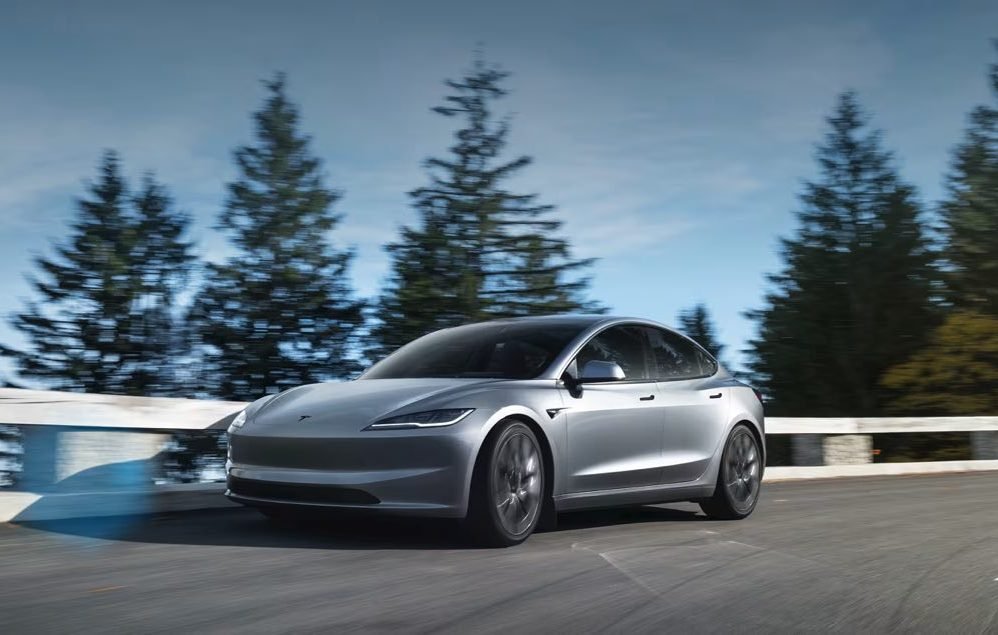
Tesla Brings Latest Model 3 Upgrades to Canada — 16-Inch Screen, Black Headliner, But No V2L
4 min read
Tesla has rolled out its latest Model 3 upgrades to Canada, including a larger 16-inch center touchscreen, black headliner, and new Zen Grey interior option. However, the highly anticipated Vehicle-to-Load (V2L) feature is not included.
The Charge Brief
Get Canada’s EV transition in your inbox
One email a day. No spam, unsubscribe anytime.