infrastructure
powerAlberta's Lithium Reserves Could Power 10 Billion EV Batteries, New Assessment Finds
A Alberta Geological Survey report confirms the province holds 82.5 million tonnes of lithium carbonate equivalent — one of the world's largest known accumulations — using oil-field expertise to extract it for electric vehicle batteries.
Alberta's subsurface contains an estimated 82.5 million tonnes of lithium carbonate equivalent, according to a new assessment by the Alberta Geological Survey and Alberta Energy Regulator. That volume places the province among the world's largest known lithium accumulations and could theoretically supply material for more than 10 billion electric vehicle battery packs over time. For Canadian EV buyers and manufacturers, the finding signals that the country's critical-minerals strategy is no longer theoretical — it is grounded in measurable geology.
How Alberta plans to produce lithium
Unlike the sprawling evaporation ponds or energy-intensive hard-rock mines that dominate global lithium production, Alberta is pursuing direct lithium extraction (DLE) from deep underground brines. The process uses solvents to pull lithium from salty formation water and then reinjects the spent brine back underground, significantly reducing land disturbance and water loss. Kim Mohler, vice-president of project development at GLJ Ltd, told EnergyNow that Alberta has an advantage because "a lot of the knowledge and infrastructure for drilling wells and producing deep subsurface brines is already in place" from decades of oil and gas development.
Most of Alberta's lithium resource is concentrated in the Devonian-age Leduc formation — the same geologic layer that launched the province's modern oil industry in 1947. Significant additional deposits sit in the Swan Hills and Nisku formations. Approximately two million hectares have already been leased for lithium exploration in Alberta, making the province a hot spot in the nascent DLE industry.
Why North American supply matters
Global lithium supply reached 1.28 million tonnes in 2024, according to the Canada Energy Regulator. North America produced just 40,000 tonnes — roughly 3.1 per cent of the global total. Canada accounted for approximately 5,983 tonnes, or about 2.5 per cent of world supply. Demand is projected to grow sharply: S&P Global forecasts U.S. consumption will increase by roughly 74 per cent annually while Canadian demand grows by about 40 per cent by the end of the decade, driven by EV sales and grid battery storage.
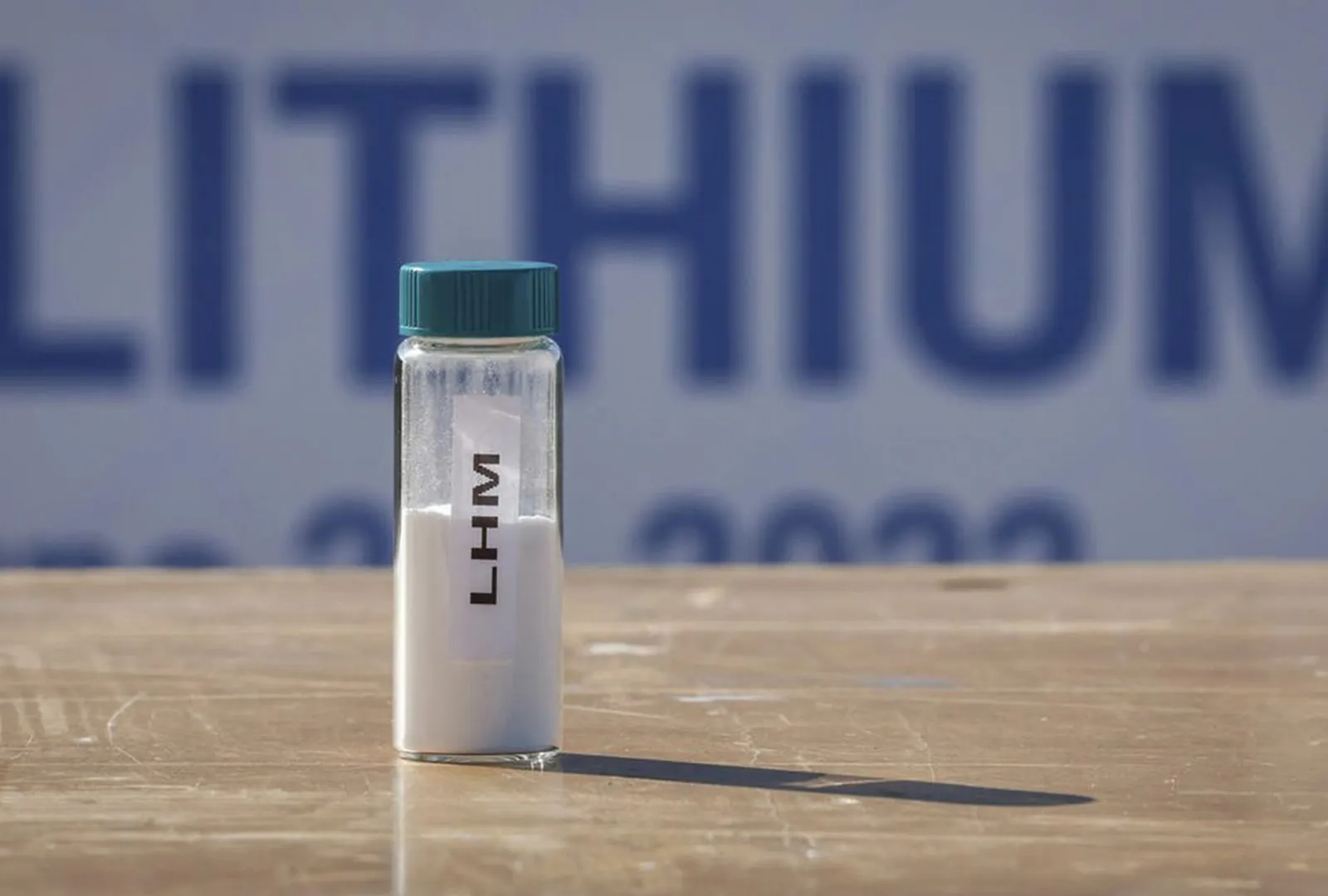
For Canadian EV buyers, the Alberta resource does not translate into lower vehicle prices tomorrow. DLE projects require years of permitting, pilot-plant testing, and offtake agreements before reaching commercial scale. E3 Lithium's pilot plant near Olds, Alta., shown in a CP Images photograph from September 2023, represents the kind of small-scale validation that must succeed before the province's 82.5 million tonnes become actual battery-grade lithium carbonate. The short-term impact is strategic: it reduces reliance on imported lithium from Chile, Argentina, and China, and gives Canadian battery assemblers a domestic feedstock option that the federal government's critical-minerals list already prioritizes.
Looking for EV deals, insurance, or financing? Check out our partner deals and offers.
If you found this guide helpful, use our Tesla referral link for free Supercharging credits on a new Tesla purchase or lease in Canada.
Next story · swipe left
Next story
Gas at 180.9¢ and Diesel Near a Record: Pump Prices Are Pushing Canadians Toward EVs
5 min read
Toronto pumps hit 180.9 cents per litre with diesel heading to 245.9¢ — up from 143.9¢ a year ago — and CP24 reports growing demand for electric and hybrid vehicles as fuel costs climb. Here's what the numbers mean for Canadian drivers doing the EV math.
The Charge Brief
Get Canada’s EV transition in your inbox
One email a day. No spam, unsubscribe anytime.