
industry
Toyota Canada Becomes National Mobility Partner of the Canada Games Through 2031
Toyota Canada signed a five-year deal to be the Canada Games' National Mobility Partner, supplying 50+ mostly zero-emission vehicles for the 2027, 2029 and 2031 Games. What it signals for EV fleets in Canada.

Toyota Canada Inc. has signed a five-year agreement as the official National Mobility Partner of the Canada Games through 2031, the company announced in a press release. The deal spans three events: the Quebec City 2027 Canada Winter Games, the Moncton – Saint John 2029 Canada Summer Games, and the 2031 Winter Games.
What the partnership covers
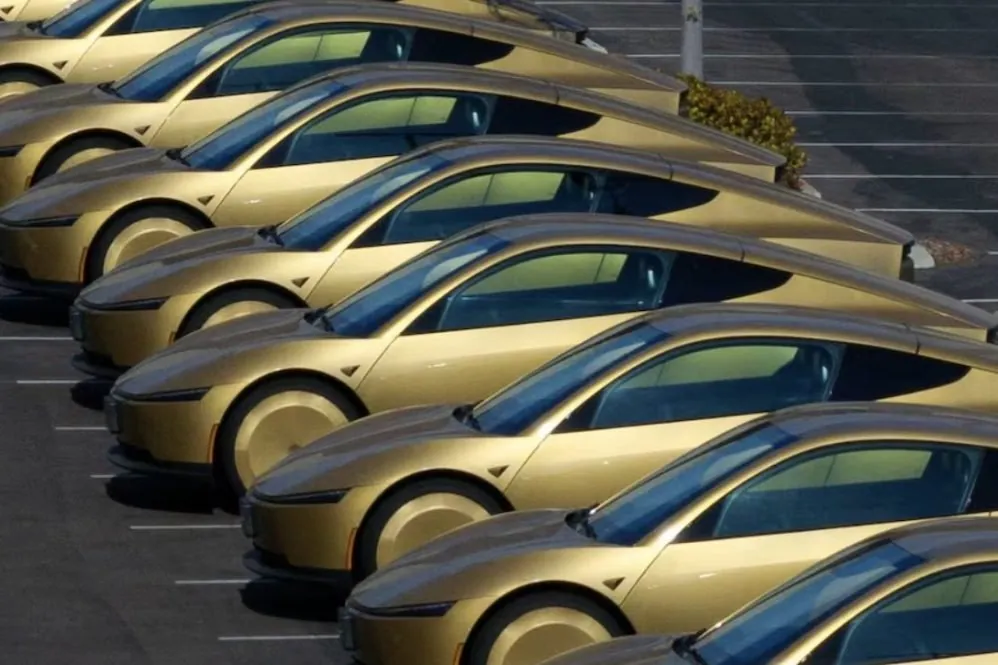
Under the agreement, Toyota Canada will supply a multi-event fleet of more than 50 vehicles, heavily featuring zero-emission and electrified models, to cover both operational logistics and Games-time transportation. The Canada Games are the country's largest amateur multi-sport event, bringing together able-bodied athletes and athletes with physical and intellectual disabilities across more than 30 sports.
- Quebec City 2027 — Canada Winter Games
- Moncton – Saint John 2029 — Canada Summer Games
- 2031 — Canada Winter Games
Follow-through on the 2025 St. John's Games
The deal extends a relationship that started last year: Toyota Canada was the Electrified Fleet Partner for the St. John's 2025 Games. According to Steve Pilkey, Vice President of Sales and Marketing at Toyota Canada, the national partnership lets the brand's dealer network engage local host communities while cutting the environmental footprint of Games transportation.
Why it matters for the Canadian EV market
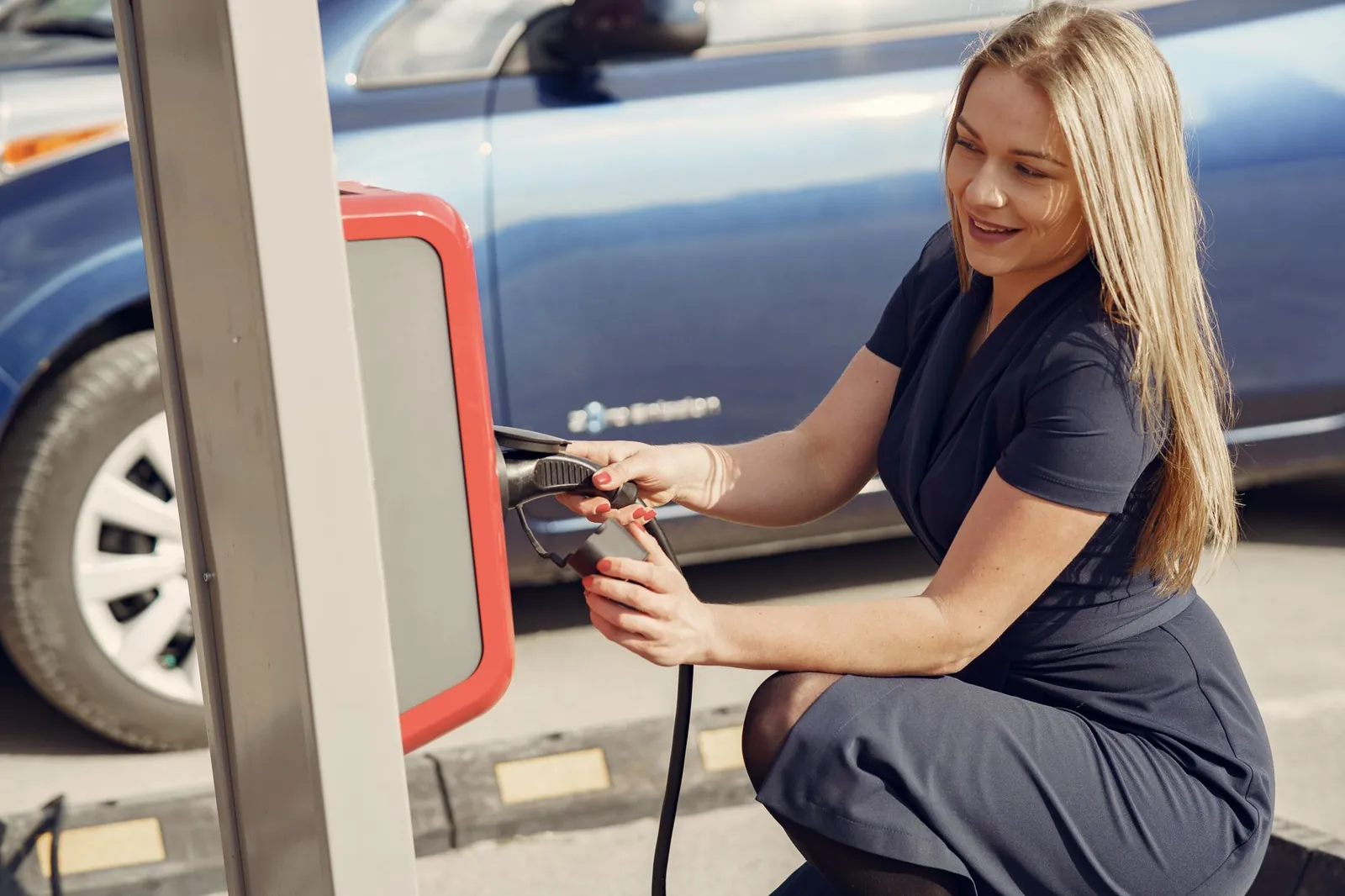
High-visibility, multi-city EV fleet deployments like the Canada Games are exactly the kind of real-world proof points Canadian provinces and municipalities are looking for when justifying public charging expansion. A 50-plus vehicle zero-emission fleet shuttling athletes across Quebec City in 2027 is a visible test of winter-weather EV range, cold-soak behaviour, and public charging reliability — the same variables that make or break a Canadian EV purchase decision. For fleet buyers watching the 2027 host city, the Games will be a live demonstration of what sustained EV operations look like in Canadian winter conditions.
Looking for EV deals, insurance, or financing? Check out our partner deals and offers.
If you found this guide helpful, use our Tesla referral link for free Supercharging credits on a new Tesla purchase or lease in Canada.
Next story · swipe left
Next story
Plug-in Cars Hit 28% of Global Sales as Canada Reaches 13% Penetration
4 min read
Global plug-in vehicle sales have reached 28% of all new car sales, with Canada's market share climbing to 13% — a milestone that reshapes dealer inventory strategy and charging infrastructure investment.
The Charge Brief
Get Canada’s EV transition in your inbox
One email a day. No spam, unsubscribe anytime.