infrastructure
teslaR.R. Plett Trucking Installs Canada's First Tesla MCS Chargers in B.C.
British Columbia's R.R. Plett Trucking is adding two 1.2 MW Tesla Megawatt Charging System chargers at Langley and Kamloops — the first MCS installations in Canada, built to support a 12-Tesla-Semi fleet.
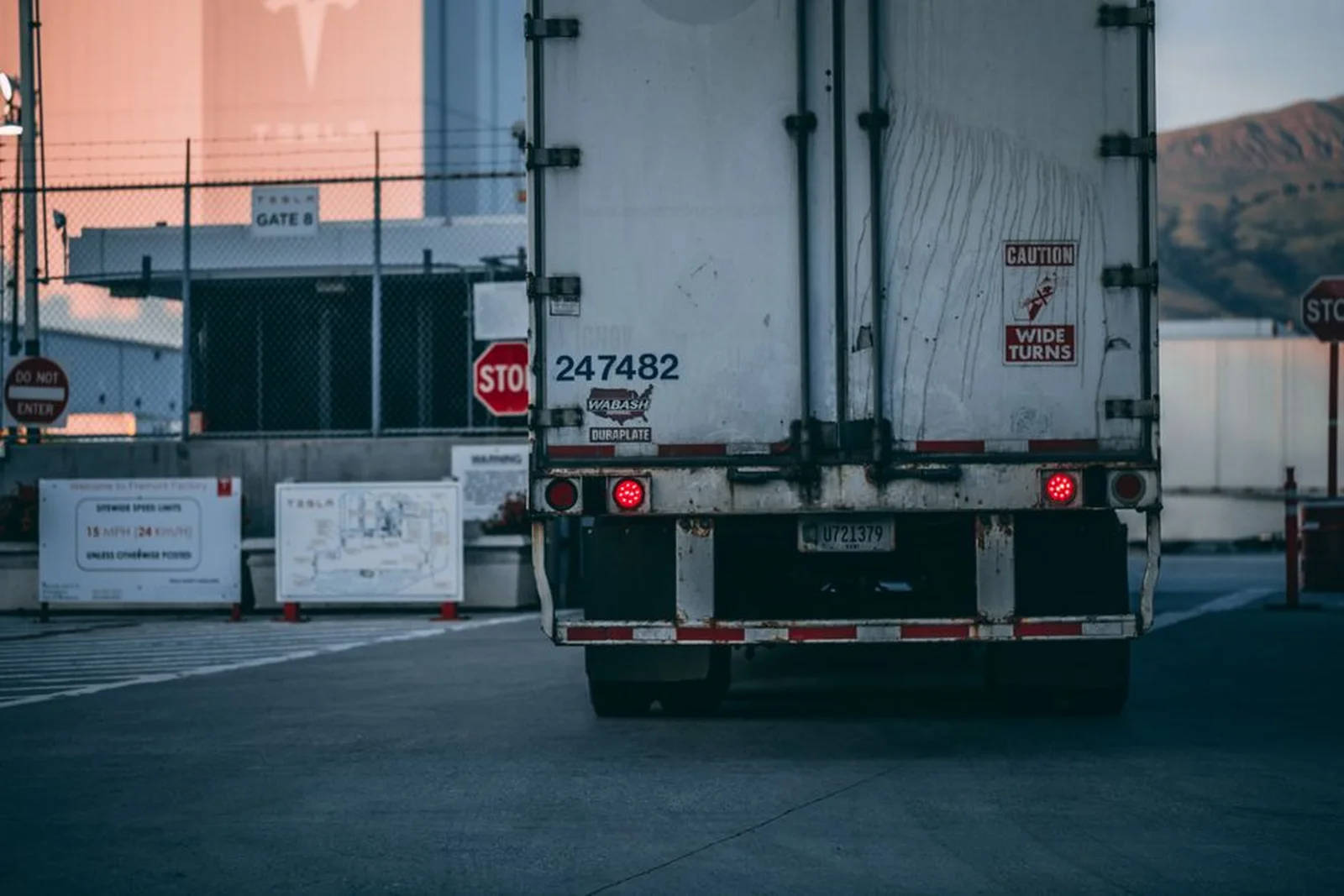
British Columbia trucking fleet R.R. Plett is building what it says will be Canada's first public-facing Tesla Megawatt Charging System (MCS) chargers, with installations planned for Langley and Kamloops. The 1.2 MW stations are designed to recharge a Tesla Semi in about 30 minutes — roughly one-sixth of the time a typical Level 2 or standard DC fast-charge session would require for a Class 8 battery.
The project is part of a broader plan to electrify the Vancouver-to-Calgary freight corridor. R.R. Plett has ordered 12 Tesla Semi trucks and expects them to arrive by mid-2027. The company did not disclose the total capital cost of the charging build-out, but it noted that BC Hydro is heavily involved in upgrading the local electrical capacity to support megawatt-scale loads.
Why MCS matters for Canadian fleets
Most Canadian public charging today tops out at 350 kW — fast enough for passenger EVs, but slow for a Class 8 truck with a 1,000-plus kWh battery. Tesla's MCS standard raises that ceiling to 1.2 MW and beyond, which means a driver on a tight HOS schedule can charge during a mandated break instead of staying plugged in for hours. For long-haul operations, that time saving is the difference between electrification being viable or not.
The Langley and Kamloops sites were chosen because they sit on the Trans-Canada Highway corridor, where charging gaps currently force diesel backup. R.R. Plett said it will open the chargers to other fleets once its own Semi fleet is running, which could accelerate adoption beyond its own trucks.
What the numbers look like
- Charger output: 1.2 MW per MCS post
- Installation sites: Langley and Kamloops, B.C.
- Target fleet: 12 Tesla Semi trucks
- Expected in-service date: June 2027
- Corridor goal: Vancouver to Calgary electric freight route
The longer route ahead
Canada currently has no publicly available MCS stations, and the charging standard is still awaiting Transport Canada regulatory alignment. R.R. Plett's project is the clearest sign yet that fleet operators are willing to front the infrastructure cost — provided the electrical and permitting pieces cooperate. BC Hydro's involvement suggests the utility sees heavy-duty electrification as a load-growth opportunity, not just a policy obligation.
If the Langley and Kamloops chargers come online on schedule, they will become reference sites for other fleets watching from Ontario and Quebec. The question is whether Tesla will accelerate MCS expansion in Canada to match the demand, or whether individual operators will continue to build the network one corridor at a time.
Looking for EV deals, insurance, or financing? Check out our partner deals and offers.
If you found this guide helpful, use our Tesla referral link for free Supercharging credits on a new Tesla purchase or lease in Canada.
Next story · swipe left
Next story
91% of EV Drivers Will Go Out of Their Way for a Recommended Charger, Study Finds
5 min read
New research from Driivz shows that peer recommendations now outweigh satellite navigation when EV drivers choose a charger, with 76% willing to abandon an entire network after one bad experience. The finding points to a 'social layer' that Canadian charging operators are racing to master.
The Charge Brief
Get Canada’s EV transition in your inbox
One email a day. No spam, unsubscribe anytime.