
vehicles
teslaTesla admits to slow Model Y Robotaxi integration, but for a good reason
Tesla has acknowledged a deliberate, measured approach to integrating its Model Y vehicles into the upcoming Robotaxi fleet, citing quality and safety as…
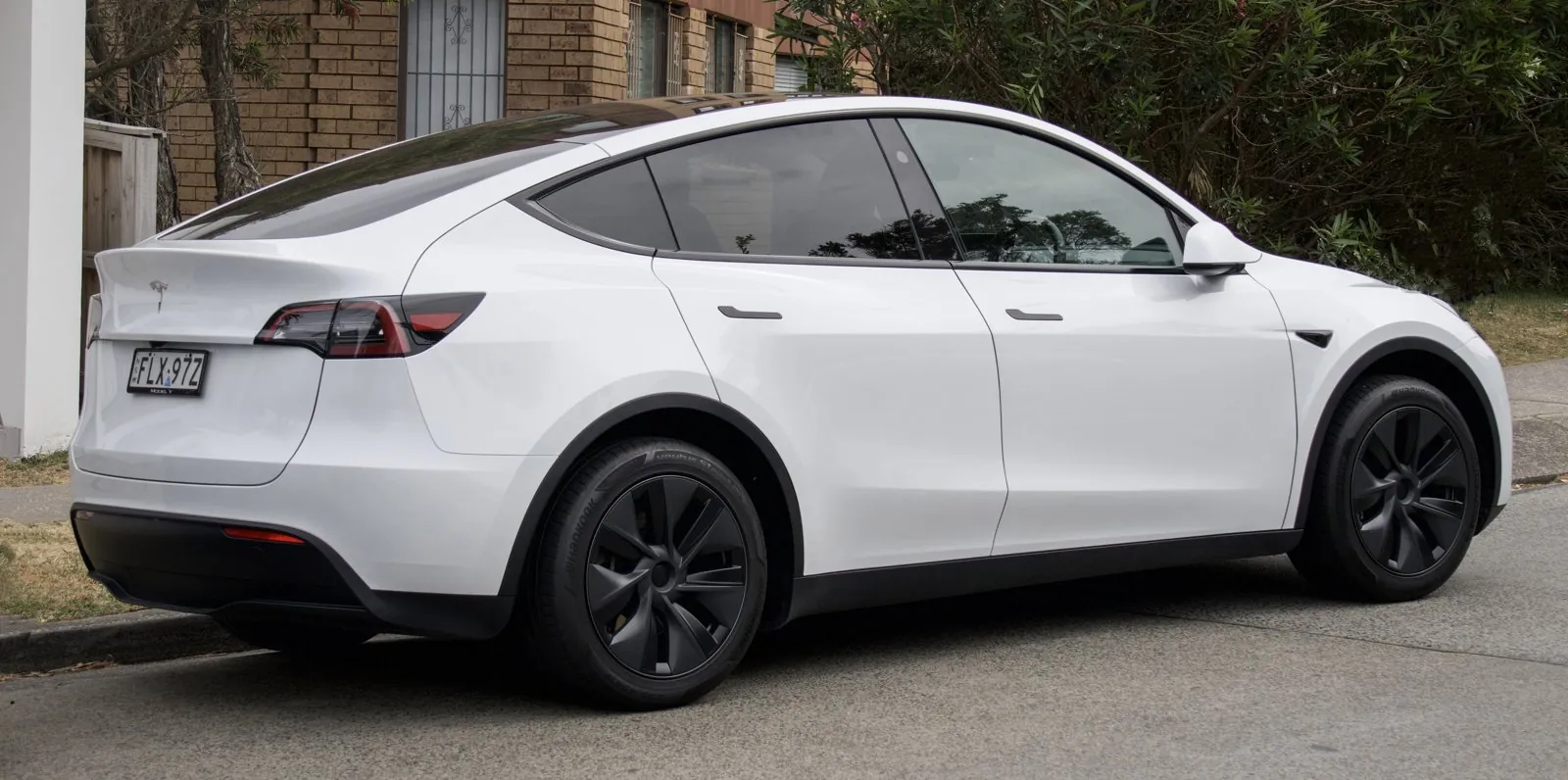
Tesla has acknowledged a deliberate, measured approach to integrating its Model Y vehicles into the upcoming Robotaxi fleet, citing quality and safety as the primary reasons for the slower rollout. The revelation came during a recent factory tour for JPMorgan analysts, whose insights were shared in a new investor note.
Prioritizing Safety Over Speed
According to reports, Tesla is taking a cautious stance with its Full Self-Driving (FSD)-equipped Model Ys, ensuring that each vehicle meets stringent reliability standards before being deployed as part of its autonomous ride-hailing service. While some investors may have expected a faster transition, Tesla’s methodical approach aligns with its long-term strategy of prioritizing safety and regulatory compliance—especially critical in markets like Canada, where autonomous vehicle regulations are still evolving.
What This Means for Canadian Tesla Owners
For Canadian Tesla enthusiasts, this development has a few implications:
- Delayed but More Reliable Robotaxi Service: While the wait for Robotaxi deployment may be longer, the extra scrutiny could result in a more polished and safer autonomous experience once it arrives.
- FSD Beta Testing in Canada: Tesla has been expanding its FSD Beta program in Canada, with more owners gaining access. The slow integration of Model Y into Robotaxi suggests that Tesla is refining its AI and sensor suite to handle diverse driving conditions, including Canada’s harsh winters and urban traffic patterns.
- Potential Impact on Used Model Y Pricing: If Tesla prioritizes newer Model Ys for Robotaxi, older or non-FSD-equipped models might see adjusted resale values in the Canadian market.
Strategic Move or Market Hesitation?
Some industry observers speculate that Tesla’s gradual approach could also be a response to regulatory hurdles, particularly in regions like Ontario and British Columbia, where autonomous vehicle testing is tightly controlled. By ensuring its Robotaxi fleet is near-flawless, Tesla may be positioning itself for smoother approvals when the time comes.
Looking Ahead
Tesla has not provided a firm timeline for Robotaxi deployment in Canada, but the company’s emphasis on safety and reliability suggests that when it does launch, it will be a well-tested service. For now, Canadian Tesla owners can expect continued FSD Beta expansions, with the Model Y playing a key role in the future of autonomous ride-sharing—once it’s ready.
As Tesla refines its approach, the company’s balance between innovation and caution will be crucial in shaping the future of autonomous driving in Canada and beyond.
Looking for EV deals, insurance, or financing? Check out our partner deals and offers.
If you found this guide helpful, use our Tesla referral link for free Supercharging credits on a new Tesla purchase or lease in Canada.
Next story · swipe left
Next story
After Solar Roof, Tesla's Energy Story in Canada Runs Through Panels and Powerwalls
3 min read
Tesla has discontinued its Solar Roof tiles, calling them not economically viable. In Canada, the product never meaningfully arrived — but the solar-plus-storage bundle it pointed at is scaling anyway.
The Charge Brief
Get Canada’s EV transition in your inbox
One email a day. No spam, unsubscribe anytime.