
industry
chineseFirst Chinese-Made EVs Arrive in Canada Under Carney-Xi Deal
The first wave of Chinese-built electric vehicles has entered Canada under the 49,000-vehicle annual quota negotiated between Prime Minister Carney and President Xi, with BYD and Lotus leading the initial imports.

The first Chinese-made electric vehicles have officially entered Canada under the trade agreement Prime Minister Mark Carney negotiated with President Xi Jinping in January 2026. The vehicles are arriving under a 49,000-vehicle annual quota at a reduced tariff of 6.1 per cent, down from the 100 per cent surtax that had effectively blocked all Chinese EV imports since 2024.
What's in the first shipments
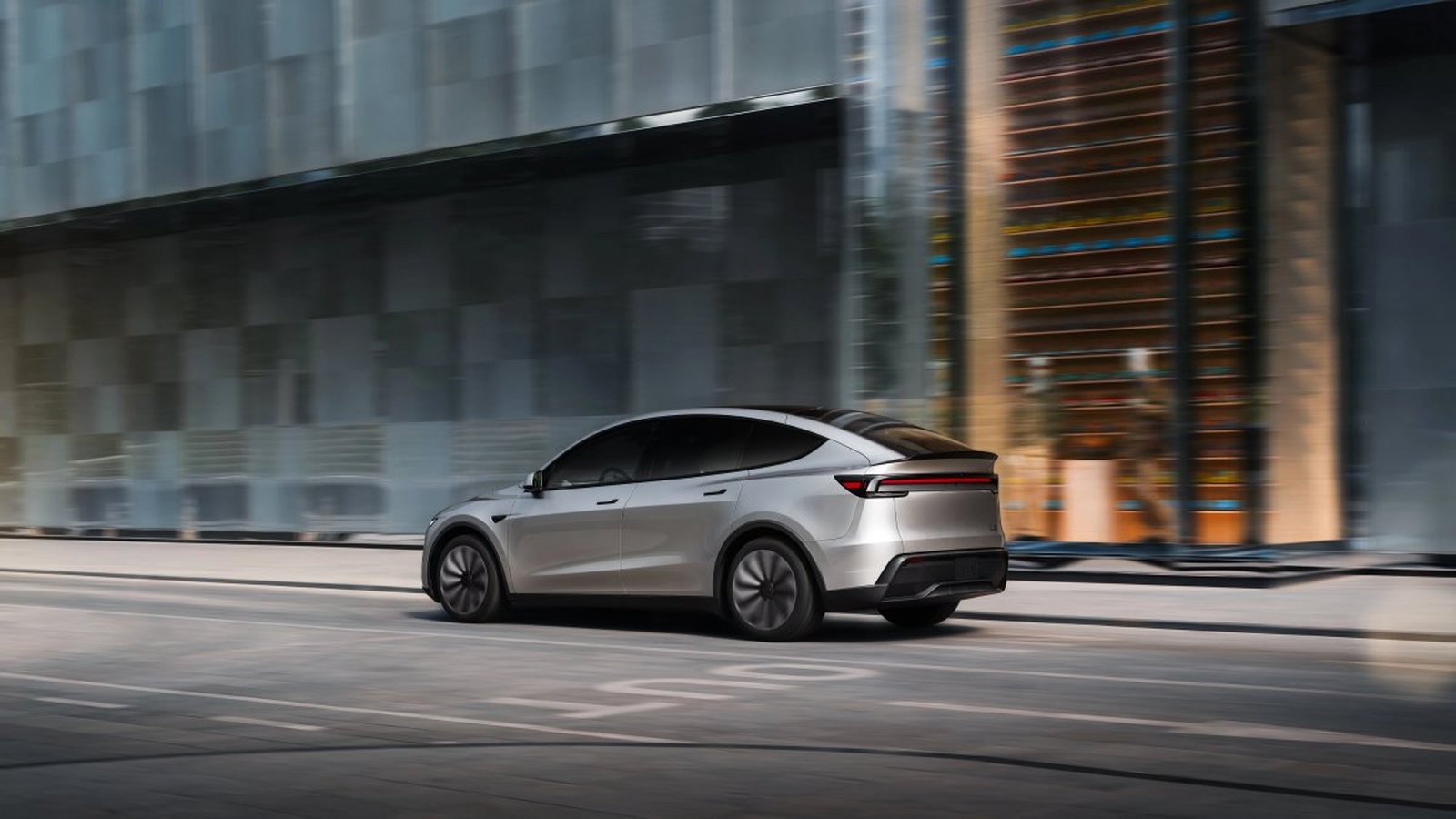
According to Global Affairs Canada import data and industry reporting, the initial imports are led by Tesla, which manufactures its Model 3 and Model Y at its Shanghai Gigafactory. Conservative Shadow Minister Adam Chambers told CTV News that approximately 90 per cent of the quota allocated so far has gone to Tesla vehicles.
BYD, the world's largest EV manufacturer by volume, is the next major brand in the pipeline. The company has been actively registering trademarks and scouting dealership locations in Canada, with plans for up to 20 Canadian dealerships. Lotus, which is owned by Chinese conglomerate Geely, has already begun importing its Eletre SUV under the quota, with a new entry-level model starting at $119,900 CAD — a dramatic drop from the $313,500 price tag of the previous generation.
Chery, through its Omoda and Jaecoo sub-brands, has launched a dedicated Canadian website and is expected to enter the market in late 2026 or early 2027. Geely is leveraging its existing Canadian Lotus dealer network to distribute its EX5 and other models.
The quota at a glance
The Canada-China EV agreement, struck during Carney's January 2026 visit to Beijing, allows up to 49,000 Chinese-built EVs into Canada per year at a 6.1 per cent tariff rate — the same most-favoured-nation rate applied to most other goods. Vehicles above the quota remain subject to the 106.1 per cent combined tariff rate.
In exchange for the reduced tariff, China agreed to lower duties on key Canadian agricultural exports, most notably canola seed, along with reduced tariffs on lobster, crab, and peas.
The quota is split into two six-month windows: March 1 to August 31, and September 1 to February 28. The first window closed on August 31, 2026, with unused slots rolling over to the second window.
What Canadian buyers should know
Chinese-made EVs do not qualify for Canada's Electric Vehicle Affordability Program (EVAP), which offers rebates of up to $5,000 for EVs assembled in Canada or in countries with a free-trade agreement with Canada. This means the lower sticker prices of Chinese EVs are not further reduced by federal rebates.
Meanwhile, Transport Minister Steve MacKinnon has announced a cross-governmental review of where Chinese EVs can be driven, with Public Safety involved in assessing national security risks related to connected-vehicle data. No restrictions have been announced yet, but the review signals that the government is taking the security concerns seriously.
Looking for EV deals, insurance, or financing? Check out our partner deals and offers.
If you found this guide helpful, use our Tesla referral link for free Supercharging credits on a new Tesla purchase or lease in Canada.
Next story · swipe left
Next story
Musk Says Tesla Should Shift All Model Y Production to Three-Row Model Y L
4 min read
At the NYT DealBook Summit, Elon Musk called the Model Y L 'our most popular car' and suggested moving all Model Y production to the six-seat variant, a move that could reshape North American EV family-car pricing.
The Charge Brief
Get Canada’s EV transition in your inbox
One email a day. No spam, unsubscribe anytime.