industry
Nano One Advances First 'Development Company' Project to Build LFP Cathode Production in Canada
Burnaby-based Nano One has started a site evaluation study for a proposed 25,000-tonne-per-year LFP cathode plant in Canada, expandable to 100 ktpa — the first project under its DevCo model aimed at ESS, EV and defence markets.
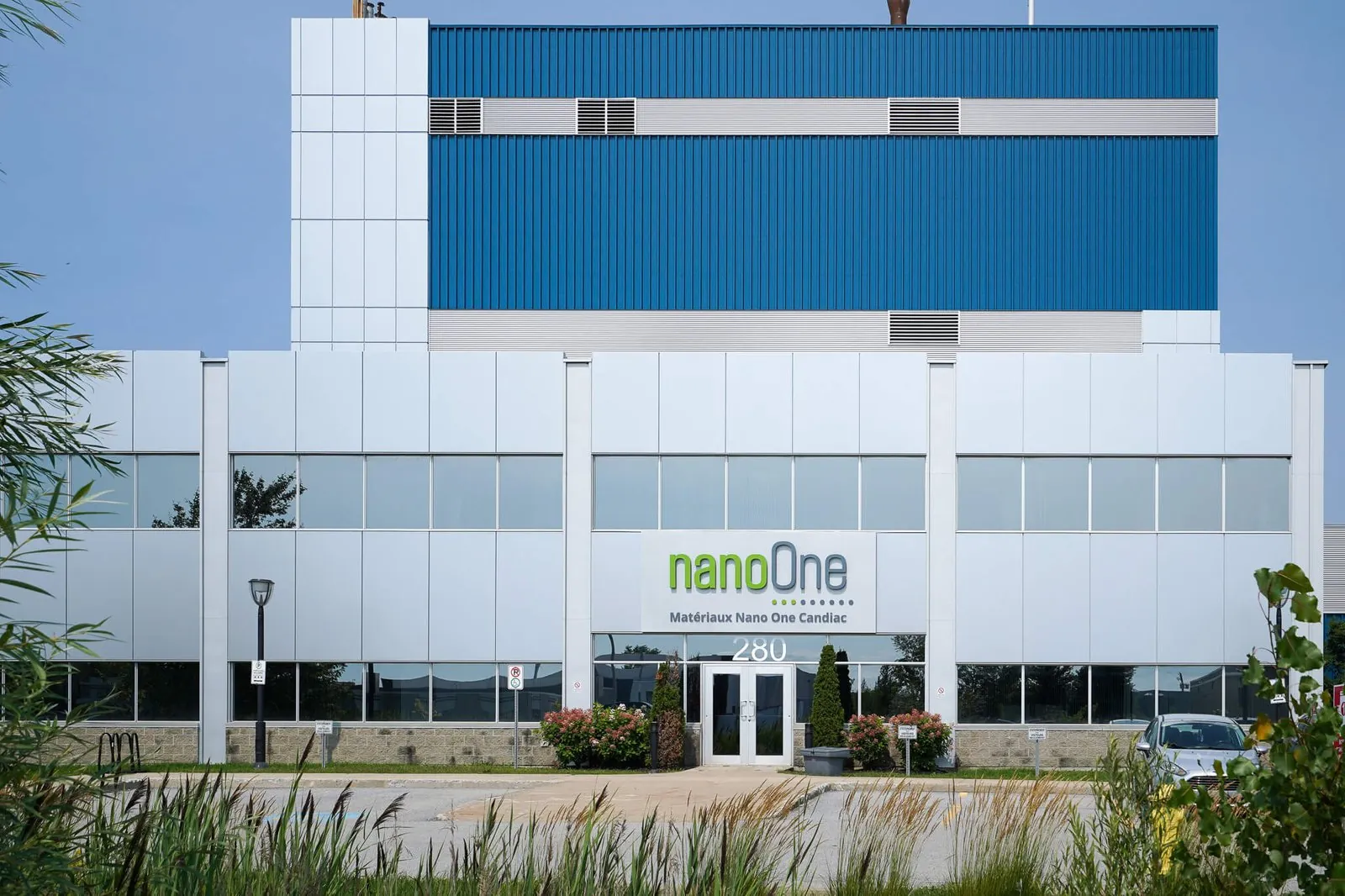
Nano One Materials has begun advancing its first Development Company — "Canada DevCo" — as the Burnaby, B.C.-based company's vehicle to deploy lithium iron phosphate (LFP) cathode production at commercial scale in Canada. The announcement, made by the company on September 11, moves the Canadian battery-materials sector from pilot demonstrations toward a full production footprint.
The company has started a site evaluation study for a proposed 25,000-tonne-per-year cathode production facility, with potential expansion to up to 100 ktpa of capacity. The project aims to serve energy storage systems (ESS), electric vehicle and defence markets in Canada and internationally, and the study will assess access to utilities, key infrastructure and permitting roadmaps.
What the DevCo model actually is
Nano One's Development Company structure pairs the company's technology, engineering and services with partners who contribute construction capital and offtake agreements, with each project financed on its own merits through a combination of government and private investment. The Canada DevCo is the first deployment of that model, and the site evaluation work is explicitly aimed at preparing operational site options for ongoing discussions with potential customers and strategic partners.
"There is increasing market pull from customers for the industry to deliver LFP cathode active materials from a regionally focused and resilient supply chain," said Denis Geoffroy, Nano One's Chief Operating Officer. "Discussions with potential strategic partners and customers for Canada DevCo are progressing."
Why Canada, and why now
Nano One points to competitive industrial power costs and one of the lowest-carbon electricity grids globally as Canadian advantages, along with regional access to key input materials. The project will draw on experience operating the company's Candiac, Quebec demonstration facility to support technical development, training and operational readiness for future production facilities.
The announcement aligns with the country's automotive, defence and critical minerals strategies — Canada's Critical Minerals List identifies LFP and its feedstock materials as important. The company is engaging with numerous Canadian suppliers at various stages of development for battery-grade lithium carbonate, phosphoric acid and iron feedstocks, testing their materials through the Burnaby R&D centre and the Candiac demonstration facility. A particular focus is iron: while Canada is a major iron ore supplier, securing local iron feedstock with suitable characteristics for LFP production remains key ongoing work.
Engineering already underway
Early development workstreams have started, including engineering of the standardized 25,000-tonne-per-year plant design based on the One-Pot LFP CAM Package — work supported in part by funding from Natural Resources Canada, announced April 8, 2026. Customer qualification continues in parallel at Candiac.
The Canada DevCo advances the global LFP strategy Nano One outlined on August 26, 2026. That strategy matters beyond Canada: Chinese producers currently dominate global LFP output, and every Western cathode plant that reaches production shortens the qualification pipeline for cell makers seeking non-Chinese supply.
What it means for Canadian EV buyers
No dealership sticker changes this year — a cathode plant is upstream of the vehicles Canadians drive. But the direction matters for the country's battery build-out. Canada's EV industrial strategy has leaned on cell plants like NextStar in Windsor and materials projects like Nano One's; a domestic LFP cathode source would give those plants a regional alternative to imported cathode material, and the DevCo structure means construction capital comes from partners rather than diluting shareholders. Nano One says it expects to provide further updates as site evaluation, supply chain qualification and partner discussions progress.
Looking for EV deals, insurance, or financing? Check out our partner deals and offers.
If you found this guide helpful, use our Tesla referral link for free Supercharging credits on a new Tesla purchase or lease in Canada.
Next story · swipe left
Next story
Tesla's Grok Now Handles 116 Voice Commands Hands-Free — What Canadian Owners Can Say
4 min read
Tesla's 2026 Summer Update lets the Grok assistant directly control vehicle functions, and owner testing now counts 116 of 170 known voice commands working hands-free via 'Hey Grok' — from Bioweapon Defense Mode to Sentry Mode. Here's the Canadian owner's guide.
The Charge Brief
Get Canada’s EV transition in your inbox
One email a day. No spam, unsubscribe anytime.