industry
Nissan Canada Considers Chinese-Built EV Imports, But Quota Uncertainty Looms
Nissan Canada is weighing whether to import EVs from its Chinese joint venture, but Ottawa's unclear import-quota rules are making the business case risky — and the timeline keeps slipping.
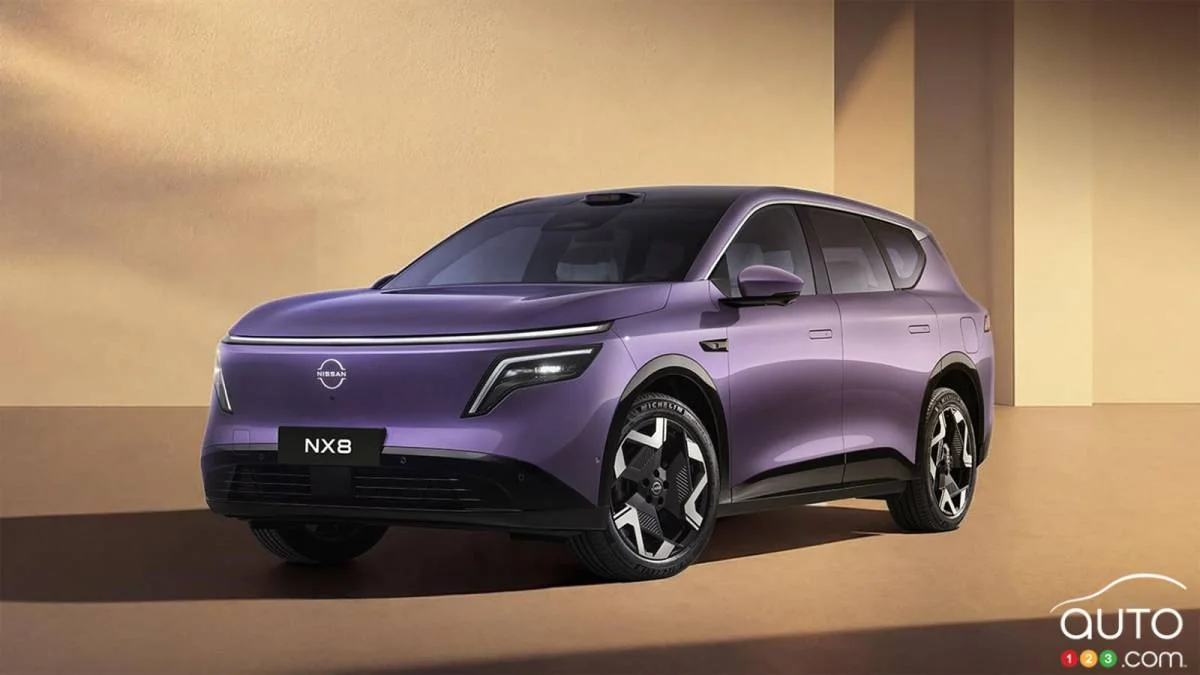
Nissan Canada is openly considering importing electric vehicles built in China for the first time, but regulatory uncertainty around Ottawa's tariff-break quota is keeping the company on the sidelines — for now.
The automaker confirmed it is evaluating whether vehicles from its Dongfeng Nissan joint venture could qualify for Canada's reduced-tariff EV quota, which allows 49,000 China-built electric vehicles to enter at 6.1 per cent instead of the standard 106.1 per cent. But Nissan's leadership is waiting for clearer rules before committing capital.
Why the hesitation?
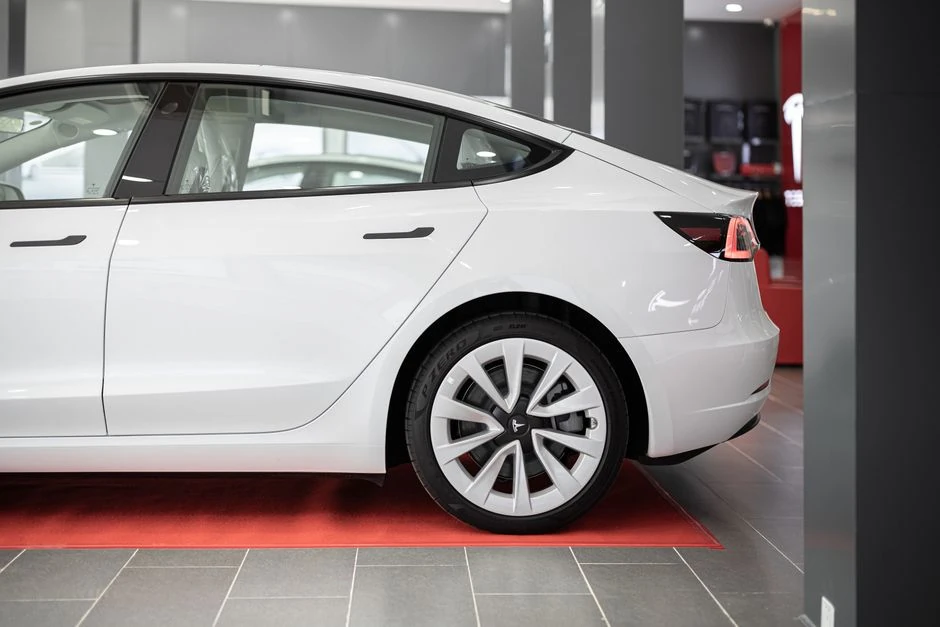
Unlike Tesla, which already ships Shanghai-built Model 3 and Model Y to Canada under the same quota, Nissan would need to modify and certify Dongfeng Nissan products to meet Canadian Motor Vehicle Safety Standards. That process is expensive and time-consuming, and the payoff depends on whether Nissan can secure a guaranteed share of the quota.
Derek Boshouwers of Auto123 reported that Nissan is lobbying the Canadian government for a clearer attribution system that tells importers in advance how much of the quota they can rely on. Without that assurance, the financial risk of homologating a Chinese-built vehicle for Canada is hard to justify.
What's already in Canada
Tesla began importing Shanghai-built EVs in May 2026 and has become the single largest beneficiary of the China quota. Polestar and Lincoln are also bringing Chinese-made vehicles across the Pacific. Nissan, by contrast, has not yet announced a specific model or timeline for Chinese-built imports.
EVs account for roughly nine per cent of Nissan's sales in Canada, and the company is trying to grow that share. A new entry-level LEAF S is expected to help broaden the lineup. But the mass-market strategy still relies on internal-combustion models like the Rogue and Qashqai for volume.
- 49,000 total China-made EV import slots under the current agreement.
- ~9% of Nissan's Canadian sales are currently electric.
- Uncertain quota allocation is the main barrier to Dongfeng Nissan imports.
If Ottawa provides Nissan — and other potential Chinese-built importers — with quota assurances, Canadian showrooms could see all-new Nissan-badged EVs sourced from China within the next two years. Until then, the door is open but the path is unclear.
Looking for EV deals, insurance, or financing? Check out our partner deals and offers.
If you found this guide helpful, use our Tesla referral link for free Supercharging credits on a new Tesla purchase or lease in Canada.
Next story · swipe left
Next story
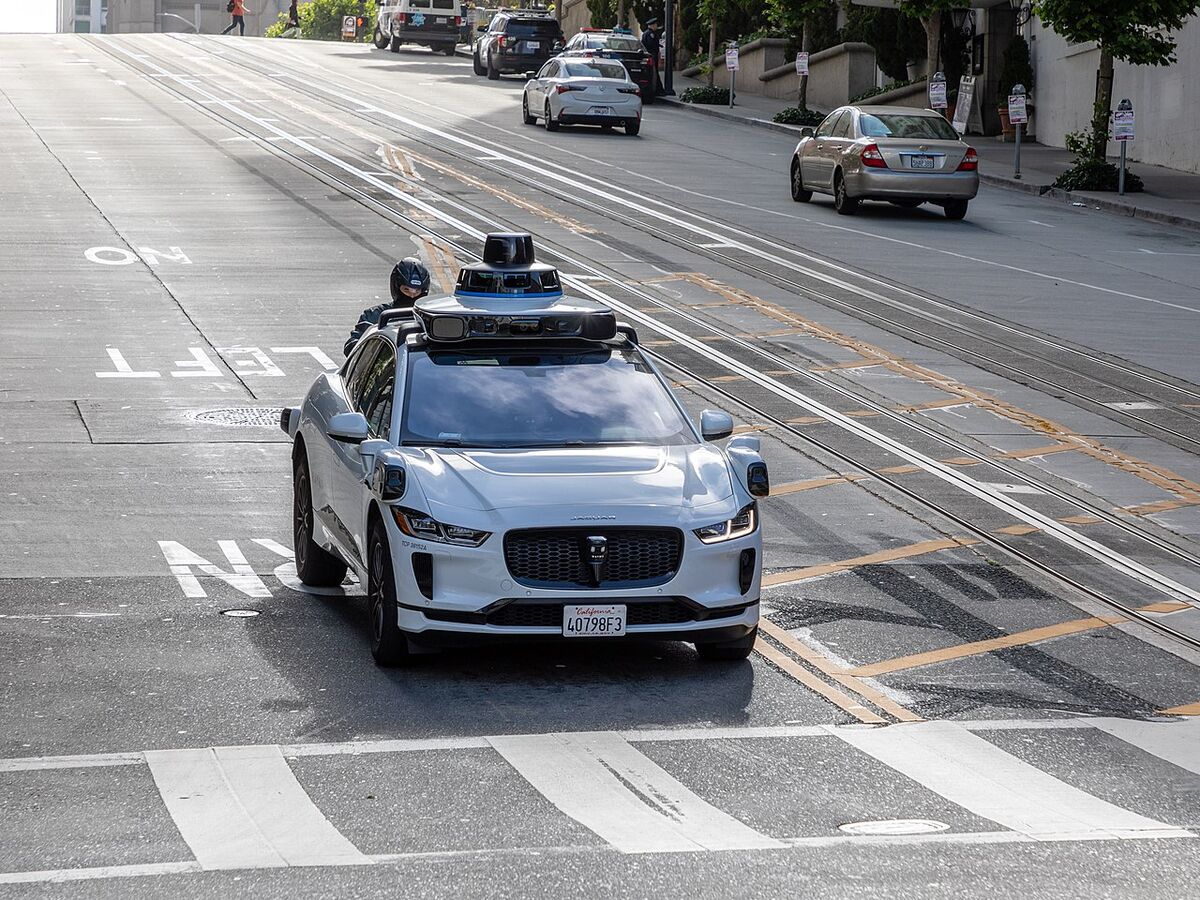
Waymo's Houston Robotaxi Launch Shows Canada What It's Missing
4 min read
Waymo now runs fully driverless rides for the general public in Houston. A look at what the service actually offers — and why nothing like it exists in Canada yet.
The Charge Brief
Get Canada’s EV transition in your inbox
One email a day. No spam, unsubscribe anytime.