policy
'We Can't Bring Cars in a Kit to Canada': Joly Sets Terms for Stellantis–Leapmotor at Brampton
Industry Minister Mélanie Joly has ruled out knockdown-kit assembly if Stellantis wants to build Leapmotor EVs at the idled Brampton plant — requiring provincial and Unifor backing, worker conditions 'even better' than before, and secure software compliant with U.S. trade deals.
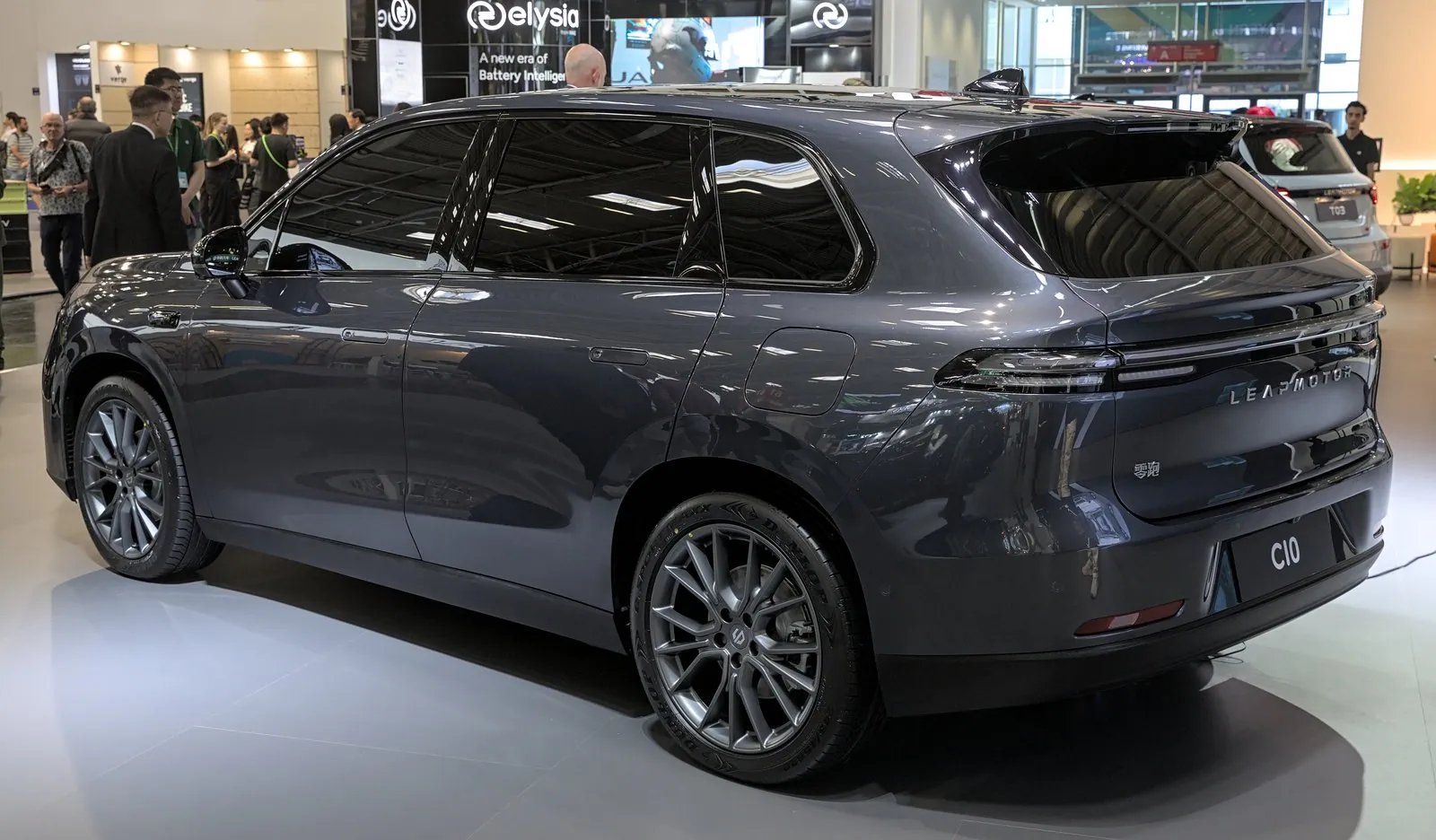
Federal Industry Minister Mélanie Joly has ruled out knockdown-kit assembly if Stellantis wants to proceed with Chinese electric vehicle production at its idled Ontario factory — and says any plan must be supported by the provincial government and the workers' union.
“We can't bring cars in a kit to Canada,” Joly told reporters in Vancouver on Thursday, in remarks reported by Bloomberg's Brian Platt. “It needs to support the local supply chain.”
What Ottawa will and won't accept
Stellantis is in talks with Canadian officials on potentially building EVs in Canada through its Chinese partner, Zhejiang Leapmotor Technology, Bloomberg reported this week. The talks focus on the Stellantis assembly plant in Brampton, Ontario, where a planned Jeep production line was cancelled last year and moved to the United States — a decision made in the months after President Donald Trump imposed tariffs on vehicles made outside the U.S.
Knockdown kits involve building most of the vehicle in China and shipping the components overseas for final assembly. Some of Leapmotor's overseas operations already use such kits.
Joly laid out the federal conditions: she would only support a return of production at the plant if it is backed by both the Ontario government and Unifor — the union representing the roughly 3,000 laid-off workers at the plant.
- Workers: “Conditions for workers need to be good, and actually the same as they were and even better,” Joly said.
- Supply chain: the plan must support local suppliers, not Chinese-built kits.
- Software: any EV built in Canada must run software that is “secure” and compliant with trade agreements signed with the U.S.
Pressure was already building
After Bloomberg's story was published, both Unifor and Ontario Premier Doug Ford slammed any potential use of knockdown kits — Ford calling kit assembly something that “undermines every single auto worker we have in Ontario” and saying he is “dead against it.” Unifor has said kit assembly would employ only a small fraction of the workforce a full production line supports.
The Canadian angle that matters
The Brampton question is the manufacturing mirror of Canada's new import framework: Chinese-built EVs are already arriving under the Carney-Xi quota system, but Ottawa is drawing a line between selling them and bolting them together here. Joly's terms — local supply chain, union backing, secure software — signal that any Leapmotor-badged vehicle from Brampton would have to be substantially Canadian-built, not a final-assembly operation on Chinese parts.
Looking for EV deals, insurance, or financing? Check out our partner deals and offers.
If you found this guide helpful, use our Tesla referral link for free Supercharging credits on a new Tesla purchase or lease in Canada.
Next story · swipe left
Next story
FortisBC Adds 180 kW Fast Chargers in Kelowna and Rock Creek
3 min read
FortisBC turned on three new high-power EV charging stations in the Okanagan and Boundary — two 180 kW sites in Kelowna and a 150 kW unit at Rock Creek — bringing its Southern Interior network to 45 fast chargers across 22 sites.
The Charge Brief
Get Canada’s EV transition in your inbox
One email a day. No spam, unsubscribe anytime.