
policy
powerJ.D. Power: 34% of Canadians Now Considering an EV — First Year-Over-Year Increase Since 2022
The 2026 Canada Electric Vehicle Consideration Study shows EV consideration rising to 34% from 28% last year, driven by rising fuel costs and the new EVAP rebate program. But Quebec lags at 16th place for Tesla Model Y claims.

A new J.D. Power study reveals that 34 percent of Canadian drivers are now “very likely” or “somewhat likely” to consider an electric vehicle for their next purchase — up from 28 percent in 2025 and marking the first year-over-year increase since J.D. Power began tracking the metric in 2022.
The 2026 Canada Electric Vehicle Consideration (EVC) study, reported by Drive Tesla Canada, attributes the jump to a combination of steadily rising fuel prices and the launch of the federal Electric Vehicle Affordability Program (EVAP), which replaced the iZEV program earlier this year.
EVAP impact already measurable
The data shows EVAP is influencing purchase decisions: 25 percent of new buyers and 57 percent of current EV owners fall into the “very likely” or “somewhat likely” categories when factoring in the rebate. The program offers up to $5,000 federally for eligible vehicles under the MSRP cap.
"A combination of steadily rising fuel prices and the return of tax credit programs like EVAP are spurring rising interest in EVs in Canada. But for most shoppers, the deciding factors remain everyday practicality: how far they can drive on a charge, whether charging is reliably available when needed and how EVs perform in Canadian winters."
U.S. consideration still significantly higher
South of the border, 59 percent of U.S. car buyers say they are “very likely” or “somewhat likely” to consider an EV next — a 25-point gap that underscores how much further Canada has to go. The U.S. federal tax credit (up to $7,500) and a broader model selection at lower price points are key differentiators.
Quebec tells a different story on Tesla
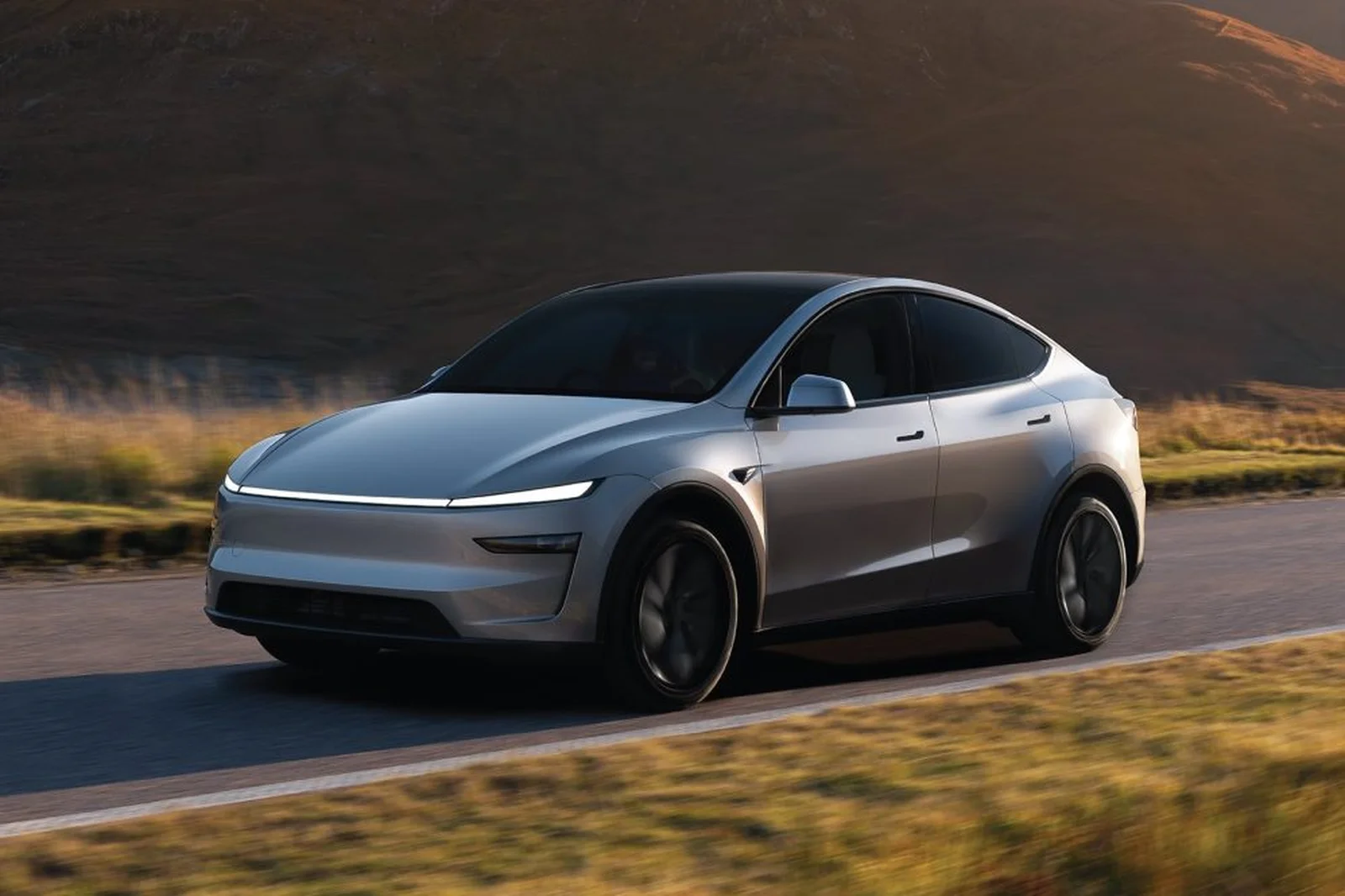
Despite leading the country in overall EV adoption, Quebec shows a striking divergence on Tesla. The Model Y RWD — the only Tesla qualifying for EVAP in 2026 — ranked 16th in Quebec with just 63 federal rebate claims in August, tied with the Kia EV4. Meanwhile, it claimed #1 in Ontario (362 claims) and #1 in B.C. (311 claims).
One factor: nearly 49% of Quebec rebate claims were for leases, compared to just 4.3% for Tesla. The data doesn’t confirm causation, but the lease-heavy Quebec market may favour brands with stronger captive finance lease programs.
What this means for the Canadian market
- Momentum is real: After three flat or declining years, consideration is finally moving up
- Fuel prices + rebates = catalyst: The dual driver matches what J.D. Power sees in other markets
- Practical barriers persist: Winter range, charging reliability, and upfront cost remain the top three hesitation factors
- Quebec ≠ Canada: Provincial policy differences (lease culture, provincial rebates, Hydro-Québec rates) create distinct sub-markets
Transport Canada reported $2 billion remaining in the EVAP fund as of September 1, 2026. The 2026 Model Y RWD remains the only Tesla eligible for the federal rebate.
Looking for EV deals, insurance, or financing? Check out our partner deals and offers.
If you found this guide helpful, use our Tesla referral link for free Supercharging credits on a new Tesla purchase or lease in Canada.

Next story · swipe left
Next story
Tesla Extended Service Agreement Canada: Is It Worth Buying?
7 min read
We read Tesla Canada's actual Extended Service Agreement so you don't have to — what it covers, what it excludes, how much it costs per month, and who should buy it.
The Charge Brief
Get Canada’s EV transition in your inbox
One email a day. No spam, unsubscribe anytime.