industry
salesCanadian Electric Bus Sales Nearly Doubled in 2025: ICCT Report Breaks Down the Numbers
Battery-electric bus sales in Canada jumped 188 per cent in 2025, second only to Chile worldwide. The ICCT's global ZE-MHDV report shows where Canada's 471 zero-emission medium- and heavy-duty registrations actually went.
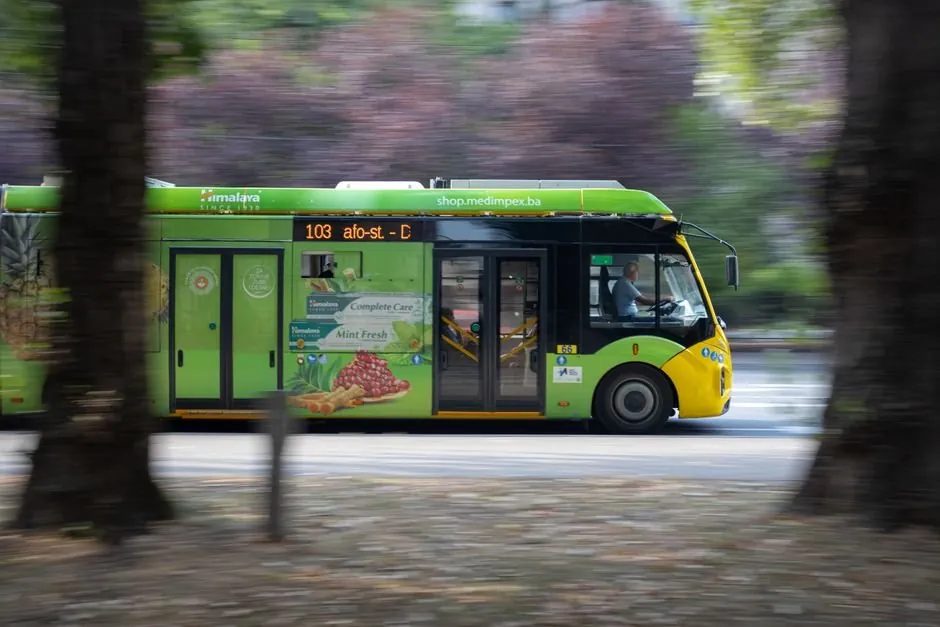
Canadian battery-electric bus sales jumped 188 per cent in 2025, one of the sharpest increases in the world, according to a new report from the International Council on Clean Transportation (ICCT). Canada's growth rate trailed only Chile, where electric bus sales rose 299 per cent. But the same report shows how early the overall transition remains: zero-emission vehicles accounted for just one per cent of Canada's 47,676 medium- and heavy-duty vehicle registrations last year.
The Canadian numbers
The ICCT study, "An Overview of the Global Zero-Emission Medium- and Heavy-Duty Vehicle Market," counted 471 zero-emission medium- and heavy-duty vehicles (ZE-MHDVs) registered in Canada in 2025, with Canadian statistics provided by Mobility Global. The segment breakdown:
- Buses and coaches led with 392 units — a 9.7 per cent zero-emission share of the segment
- Medium-duty trucks: 44 units, a 0.2 per cent ZE share
- Heavy-duty trucks: 35 units, a 0.1 per cent ZE share
For context, Canadian ZE-MHDV sales totalled 274 in 2024, and the all-time high was 685 registrations in 2023. Transport Canada data cited in the report puts the total number of ZE-MHDVs currently registered in the country at 11,475 — about 0.4 per cent of the fleet.
The global picture
Canada's bus surge is part of a worldwide trend. Global sales of electric trucks and buses reached 520,000 in 2025, up 86 per cent from the year before — the second straight year of near-doubling. The ICCT study covers 34 countries representing roughly 80 per cent of global truck and bus sales.
China accounted for nearly 90 per cent of all electric truck and bus sales worldwide, and close to 30 per cent of heavy trucks sold in China last year were fully electric, driven by falling battery costs and government support. Outside China, adoption stayed limited: about 41,000 units across the other 33 tracked countries. Excluding both China and the United States, electric buses made up 56 per cent of zero-emission truck and bus sales, with the European Union and India leading in volume. The United States saw roughly two per cent growth, with about 24,500 units sold — mostly medium-duty delivery vehicles.
Why buses lead
Buses are the natural first mover in fleet electrification: predictable routes, depot charging, and municipal ownership aligned with emissions targets. The Canadian 2025 figures reflect transit-agency purchases rather than private trucking — and with buses at 9.7 per cent ZE share versus heavy trucks at 0.1 per cent, the gap between transit and freight electrification is now roughly two orders of magnitude. Closing it is the next decade's challenge for Canadian fleet operators and charging infrastructure builders.
Looking for EV deals, insurance, or financing? Check out our partner deals and offers.
If you found this guide helpful, use our Tesla referral link for free Supercharging credits on a new Tesla purchase or lease in Canada.
Next story · swipe left
Next story
Alberta's Lithium Reserves Could Power 10 Billion EV Batteries, New Assessment Finds
5 min read
A Alberta Geological Survey report confirms the province holds 82.5 million tonnes of lithium carbonate equivalent — one of the world's largest known accumulations — using oil-field expertise to extract it for electric vehicle batteries.
The Charge Brief
Get Canada’s EV transition in your inbox
One email a day. No spam, unsubscribe anytime.