policy
teslaCanada's EV Import Quota for China-Made Cars Mostly Benefits Tesla
Canada's 49,000-slot reduced-tariff quota for China-made EVs was supposed to open the market to BYD, Geely and Leapmotor. Six months in, Tesla is the biggest beneficiary — and the second window just got bigger.
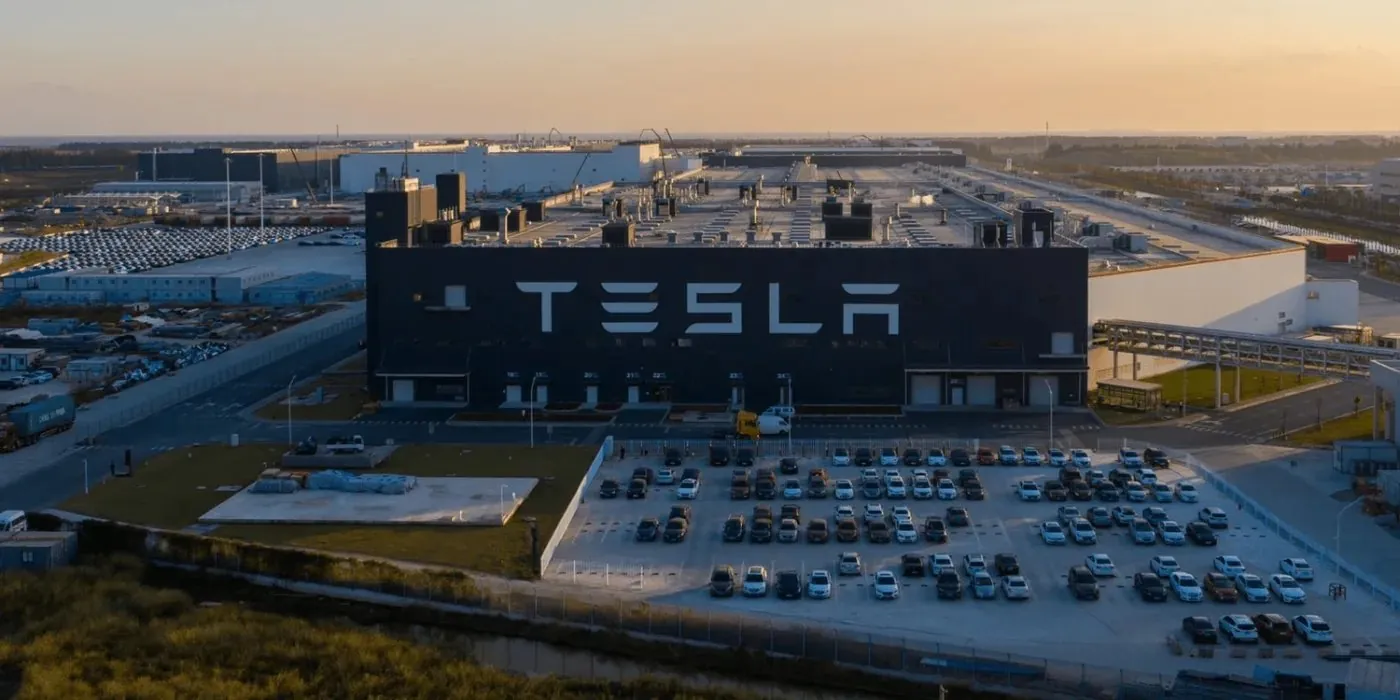
Canada's tariff-break deal with China for electric vehicles was sold as a way to bring affordable Chinese-made EVs to Canadian buyers. Six months into the first window, the data tells a different story: Tesla is the single largest beneficiary of the discounted 6.1-per-cent tariff rate, and the unused slots are now flowing into a second window that could see 33,397 China-built EVs land before February 2027.
The arrangement, struck in January 2026, allows 49,000 electric vehicles manufactured in China to enter Canada at 6.1 per cent instead of the usual 106.1 per cent. The quota is split into two time windows. By August 31, only 15,603 vehicles had been imported — leaving 8,897 unused slots that Global Affairs Canada transferred to the second window, which runs from September 1, 2026 to February 28, 2027.
Why Tesla, not BYD, is leading the charge
The most surprising beneficiary is Tesla. The US automaker began shipping vehicles built at its Gigafactory in Shanghai to Canada in May 2026, taking advantage of the reduced tariff on China-manufactured vehicles. Tesla had previously halted China-sourced imports after Canada aligned with the United States and imposed a 100-per-cent tariff on Chinese EVs in 2024. The lower rate now applies to any EV manufactured in China — not just Chinese-brand vehicles — which means Tesla's Shanghai-built Model 3 and Model Y qualify.
BYD, Chery, Geely, Leapmotor, MG Motor, Nio, Xpeng and Zeekr — the brands most observers expected to flood the market — are not yet active in Canada. BYD is not expected to launch until late 2026, and the others have no confirmed Canadian retail presence. A small number of Lotus, Polestar and GM-associated vehicles are also believed to have entered under the program, but official figures have not been published.
The numbers behind the quota
- 49,000 total China-made EV import slots over two windows.
- 15,603 vehicles imported during the first window (February–August 2026).
- 8,897 unused first-window slots transferred to the second window.
- 33,397 slots now available from September 1, 2026 to February 28, 2027.
- 6.1% discounted tariff rate versus the standard 106.1 per cent.
What the second window means for Canadian buyers
The expanded second window creates a larger pool for discounted China-built EVs, but the same structural problem remains: without Chinese brands actually selling in Canada, the quota primarily benefits manufacturers that already have vehicles crossing the Pacific. Tesla's Shanghai production gives it a cost advantage that lower tariffs amplify. For buyers, the practical effect is more low-cost Tesla inventory — not a suddenly competitive field of Chinese-brand alternatives.
The political pressure around the quota is also rising. EnergyNow reported September 12 that Minister of Innovation, Science and Industry François-Philippe Champagne rejected a Stellantis proposal to assemble Chinese EVs in Canada as "cars in a kit," signalling Ottawa wants foreign automakers to invest locally rather than simply import. Whether that stance reshapes the second window remains to be seen.
Looking for EV deals, insurance, or financing? Check out our partner deals and offers.
If you found this guide helpful, use our Tesla referral link for free Supercharging credits on a new Tesla purchase or lease in Canada.
Next story · swipe left
Next story
Ford Recalls 86,543 Mustang Mach-Es in Canada Over Loose Window Trim
4 min read
Transport Canada and NHTSA are recalling 86,543 2023-2025 Ford Mustang Mach-E electric crossovers after rear quarter-window trim pieces can detach while driving, creating a road hazard for following vehicles.
The Charge Brief
Get Canada’s EV transition in your inbox
One email a day. No spam, unsubscribe anytime.