
Canada's $27.6B Counter-Tariffs Take Effect: Why Tesla Buyers Dodge the New Duties
Canada's newest counter-tariffs — up to 50% on C$27.6 billion of U.S. goods — took effect September 8, but they spare the Teslas Canadians are actually buying. Shanghai-built Model 3s enter under a 6.1% MFN tariff, while only U.S.-built Cybertrucks still face the auto counter-tariff regime.
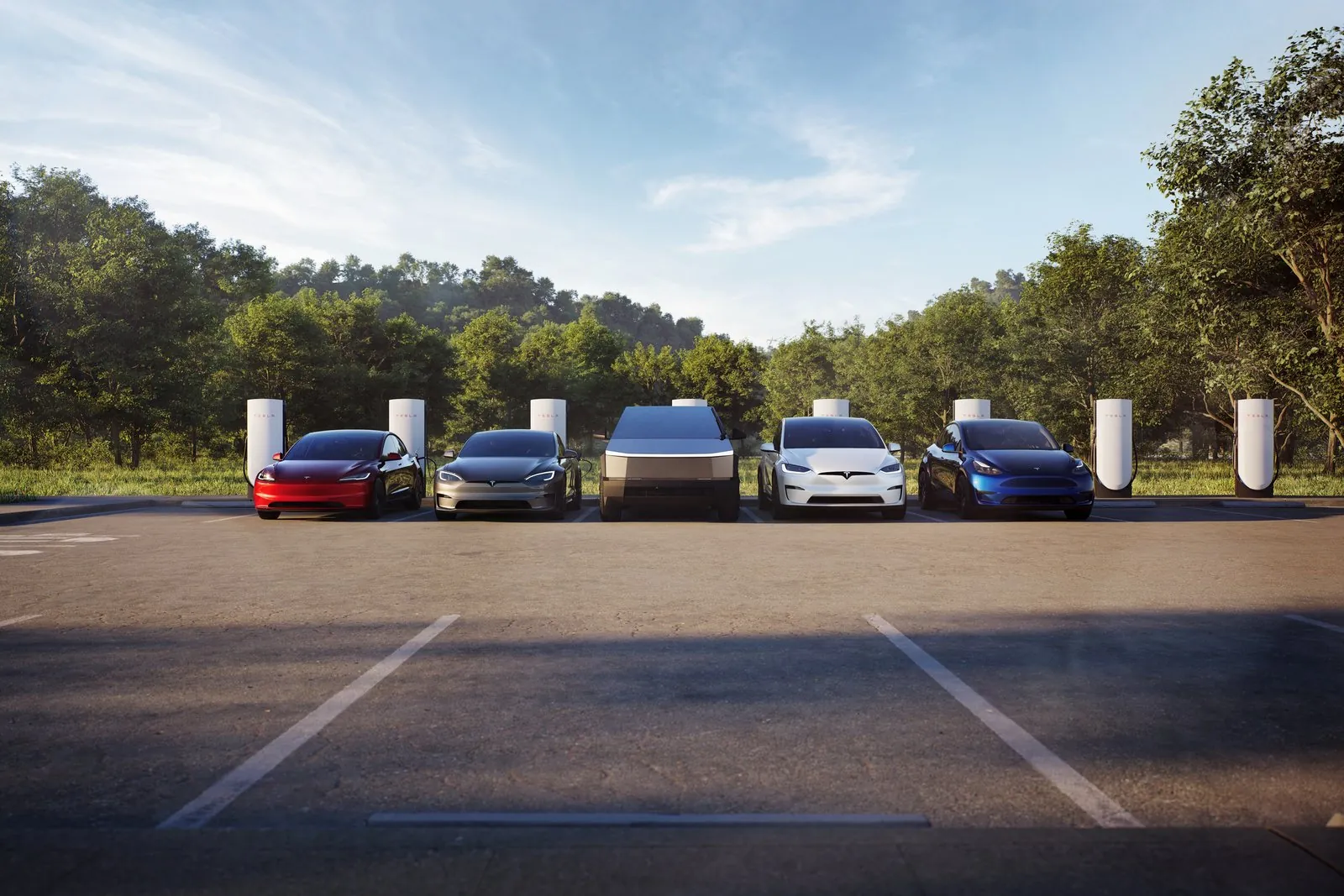
Canada's latest round of counter-tariffs against the United States is now in force — and it lands differently on EV buyers than on most consumers. The measures, effective 12:01 a.m. on September 8, add duties of up to 50% on C$27.6 billion worth of American goods while trade negotiations between the two countries remain stalled, as reported by Drive Tesla Canada.
The new package imposes tariffs of 15%, 25% and 50% across a wide range of U.S. products, including steel, dairy, appliances, agricultural equipment, pulp and paper, and electronics. The rates are designed to match tariffs recently imposed by Washington on Canadian goods.
Why the Teslas Canadians buy aren't touched
The September 8 measures do not replace Canada's existing counter-tariffs on American-made vehicles. The Department of Finance confirmed that "other existing counter-tariffs, including against U.S. autos, will also continue to apply" — but the Teslas arriving in Canadian stores today don't come from the United States.
Tesla is currently importing Shanghai-built Model 3s under Canada's new Chinese EV quota. Those vehicles are subject to the regular 6.1% most-favoured-nation tariff rather than the new 15%, 25% or 50% counter-tariffs targeting U.S. goods.
The one Tesla that still pays
- Model 3: now sourced from Giga Shanghai — 6.1% MFN tariff, no new duties.
- Model Y: imported from Giga Berlin since September 2025, outside the U.S. tariff regime entirely.
- Cybertruck: the only U.S.-built Tesla still sold in Canada, built at Giga Texas — continues to face Canada's existing automotive counter-tariff regime.
- Model S and Model X: discontinued earlier this summer, no longer imported.
The result is an unusual tariff map: the cheapest Tesla in Canada benefits from the China quota window, the volume-selling Model Y ships from Europe, and only the six-figure Cybertruck carries the U.S.-built penalty. Tesla has not announced any Canadian price changes related to the latest package.
What it means for EV shoppers
For buyers, the September 8 round changes little at the Tesla counter but adds cost pressure across the broader market. U.S.-assembled rival EVs, and the steel-intensive chargers and parts that cross the border, remain exposed to both the new duties and the pre-existing auto counter-tariffs. Buyers comparing a Shanghai-built Model 3 against a U.S.-built competitor are effectively comparing a 6.1% import cost against a tariff wall several times higher.
The trade war's next turn matters more than this round: any negotiated rollback would reshuffle those economics overnight. Until then, Tesla's import routing — Shanghai for the Model 3, Berlin for the Model Y — quietly insulates its Canadian lineup from the escalation that just raised prices almost everywhere else.
Looking for EV deals, insurance, or financing? Check out our partner deals and offers.
If you found this guide helpful, use our Tesla referral link for free Supercharging credits on a new Tesla purchase or lease in Canada.
Next story · swipe left
Next story
EV Charging Networks Canada Compared 2026: FLO, ChargePoint, Electrify
6 min read
EV charging networks in Canada compared in 2026 — FLO, ChargePoint, Electrify Canada, Tesla Supercharger, and Petro-Canada EV coverage, pricing, and reliability across provinces.
The Charge Brief
Get Canada’s EV transition in your inbox
One email a day. No spam, unsubscribe anytime.