
infrastructure
chargingWalmart Just Hit 100 Stores With 400 kW Charging. Here's How Canada's Retail Charging Race Stacks Up
Big-box EV charging is scaling fast in the US. Canada's equivalent build-out is running through different players — grocers, coffee chains, and highway service centres.

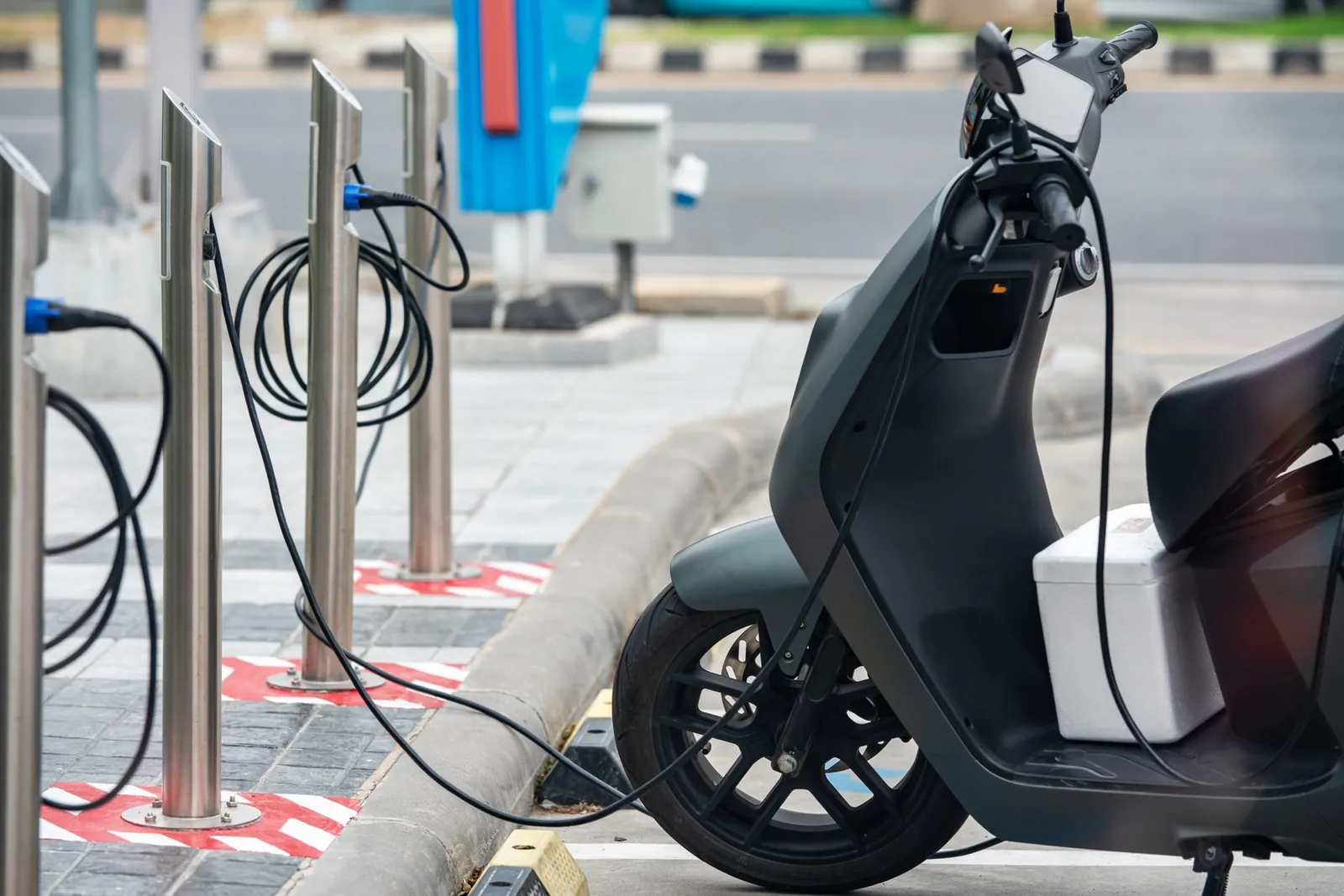
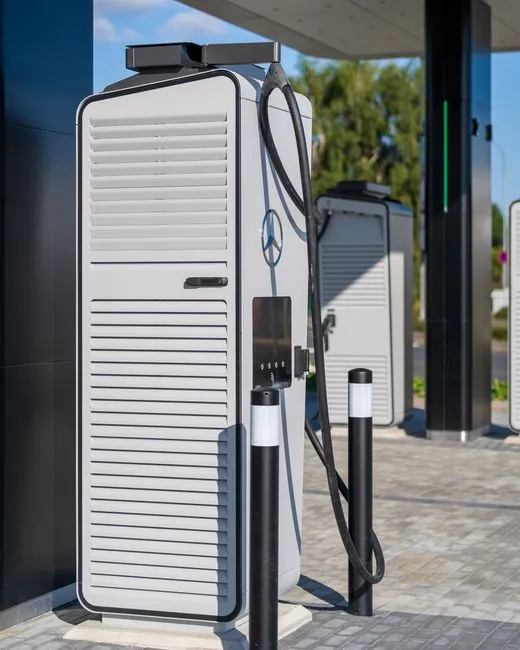
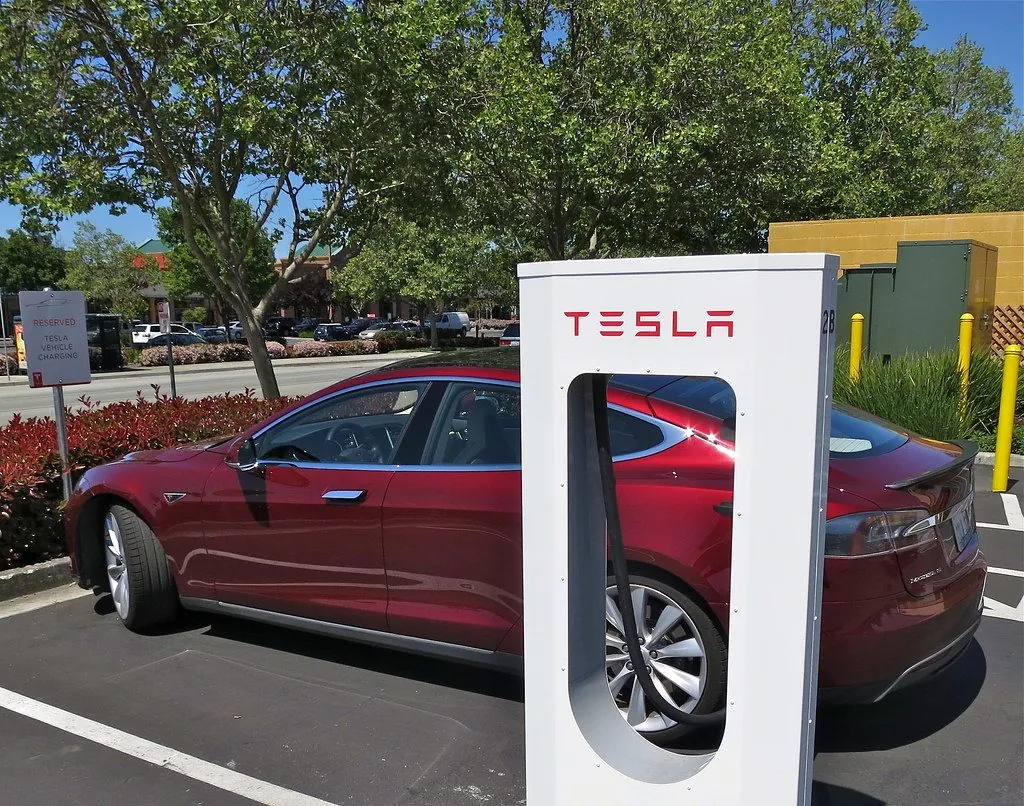
Walmart's charging network has now reached 100 stores, with stations capable of up to 400 kW — a threshold that can add hundreds of kilometres of range in the time it takes to shop. It is one of the clearest signals yet that in the United States, the future of EV charging is being bolted to parking lots people already visit.
Canada's version of that story is being written by a different cast.
Highway corridors first, parking lots second
The backbone of Canadian fast charging remains the corridor networks: Petro-Canada's electric highway, which pushed chargers along the Trans-Canada from Halifax to Calgary; Ivy Charging, the joint venture between Hydro One and Ontario Power Generation, which anchored Ontario's 400-series highways; and Flo's cross-country network with its strongest density in Quebec. Where Walmart anchors US interstate stops, Canada's equivalent pit stops are the ONroute service centres along Highway 401 and the QEW, where Ivy rolled out charging plazas alongside Tim Hortons and gas islands.
The strategy difference matters. US retail charging bets on destination dwell time — you were going to Walmart anyway. Canadian networks bet on corridor anxiety — you drive Toronto to Ottawa or Montreal and need certainty at the halfway point. Both models work; they just optimize for different driving patterns.
The power ceiling is rising here too
Walmart's 400 kW figure sounds exotic, but Canadian highway stations have been moving the same direction. Newer Ivy and Flo plazas ship 200 kW-plus units with heavy cable cooling, and the arrival of the North American Charging Standard across automakers means more vehicles can actually accept those rates. The 2026-model EVs arriving on Canadian lots this autumn routinely peak above 250 kW.
The grocery-store gap
Where Canada genuinely lags is in urban retail charging — the chargers at Loblaws, Metro, or Canadian Tire parking lots. Installations exist, but mostly at 50 to 100 kW, and often occupied by plug-in hybrids charging slowly for hours. The US experience suggests the winning formula is high power plus places people dwell for 20 to 40 minutes. Canada has no shortage of those locations; it has a shortage of electrical service and business models at them.
The lesson from Walmart's milestone is not that Canada needs Walmart chargers. It is that charging succeeds when it piggybacks on trips people already make. Canada's networks are proving that on the highways. The next frontier is the supermarket.
Looking for EV deals, insurance, or financing? Check out our partner deals and offers.
If you found this guide helpful, use our Tesla referral link for free Supercharging credits on a new Tesla purchase or lease in Canada.
Next story · swipe left
Next story
Kia EV6 in Canada 2026: Long-Term Review and Buyer Advice
6 min read
Kia EV6 review for Canadian buyers in 2026 — GT-Line performance, winter range, charging speed, reliability, and whether it beats the Ioniq 5 for real-world use.
The Charge Brief
Get Canada’s EV transition in your inbox
One email a day. No spam, unsubscribe anytime.