
policy
U.S. Democrats Win Both Houses in Midterms — What It Means for Canadian EV Buyers
Democrats swept both chambers of Congress in the November 2026 midterms. Trade Minister LeBlanc says Ottawa's diversification strategy won't change, but Canadians are cautiously optimistic about tariff relief. Here's what the blue wave means for Canadian car prices and EV supply.
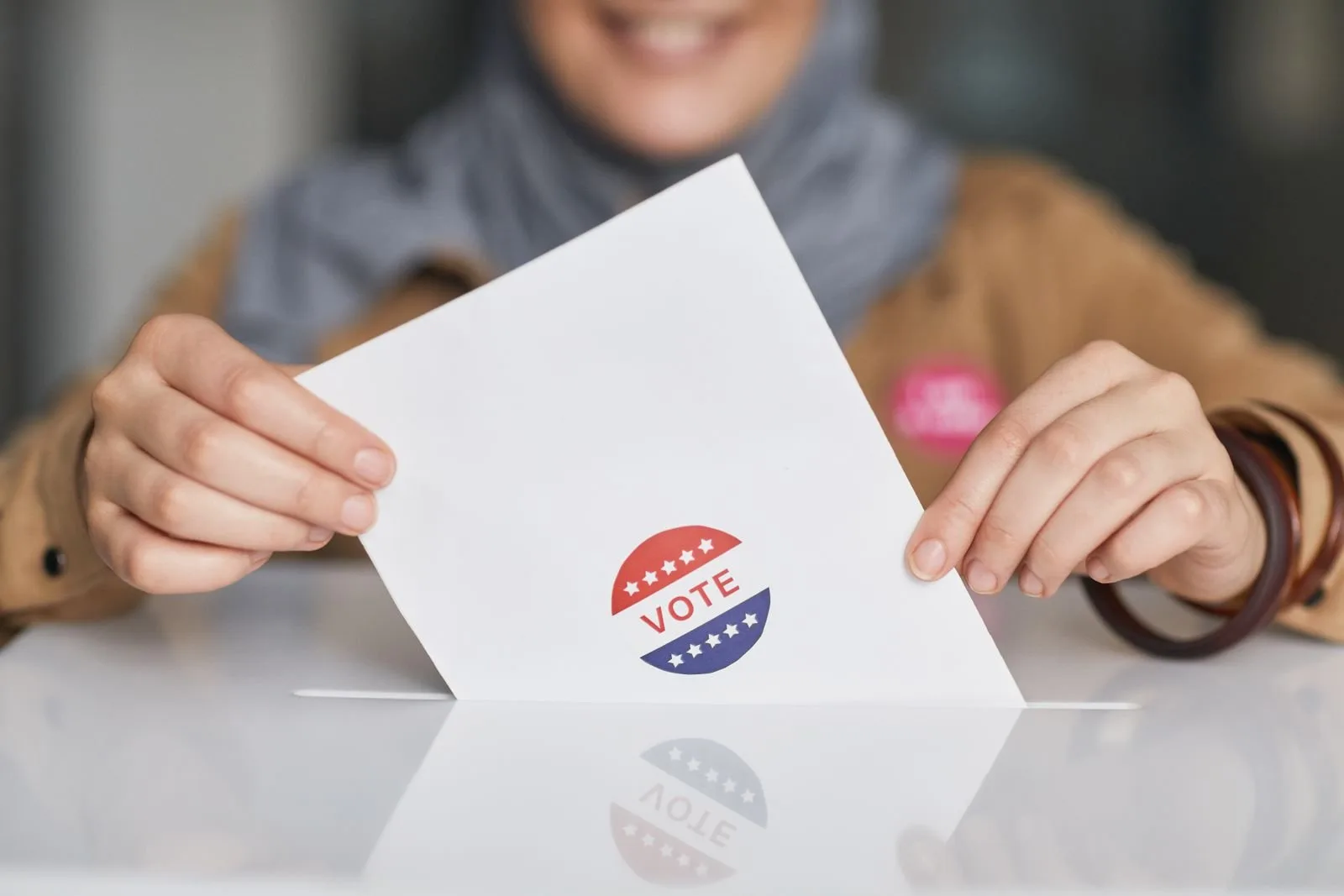
Canadians woke up to a blue wave on November 5, 2026. The Democratic Party swept both the House of Representatives and the Senate in Tuesday's midterm elections, taking control of chambers that had been firmly in Republican hands. The result was a strong rebuke of President Trump's trade policies, which had imposed 50 percent tariffs on a broad range of Canadian goods and, in some cases, banned imports entirely.
For Canadian drivers watching car prices climb through 2026, the question on everyone's mind is simple: will EV and car prices actually come down now that Democrats control both chambers?
What the Democrats actually control
The short answer: they control the purse strings, but not the pen. A Democratic Congress can introduce legislation to rein in or reverse tariff policy, but President Trump retains veto power. Overriding a presidential veto requires a two-thirds supermajority in both chambers — a high bar, though not impossible given the margin of victory in several key auto-state races.
Trump himself acknowledged the shift in a late-Tuesday call with Politico, saying he was "willing to work with the Democrats" because he "doesn't want to sit there for two years vetoing everything." He posted a photo of a red cap with the word "VETO" in bold white letters to social media shortly after the results were confirmed.
What Ottawa says
Canada-U.S. Trade Minister Dominic LeBlanc was clear: the Liberal government's strategy of diversifying trade away from exclusive dependence on the U.S. will not change because of the midterms. "Ottawa's push to diversify trade won't change as Democrats take control of Congress," LeBlanc told reporters, adding that recent talks with the Trump administration had been productive.
That message is consistent with the government's positioning since the trade talks collapsed in August, when Trump escalated with 50 percent tariffs on a wide swath of Canadian goods, a ban on other Canadian products, and an executive order renaming Lake Ontario to "Lake America." Ottawa responded with retaliatory tariffs on specific American imports, and the C$28 billion counter-tariff package remains in effect.
What Canadians are saying
The mood on the ground in Toronto was a mix of relief and caution. "I'm Canadian, we are very proud of our country and we have been picked on a lot and we are done — and we're absolutely overjoyed with the outcome in the States," said Juli Taylor, interviewed in Toronto the morning after the vote. But she added that she wasn't planning a U.S. trip any time soon and would only reconsider cross-border travel if the tariff dispute is resolved.
"I don't trust him, first of all, and I don't trust the policies he's got. I don't know that they're going to disappear," said Gerry Carlin, a Toronto resident who noted that Trump has said he would use "tremendous" veto powers even after his party loses both chambers. "You still got two years to go."
What it means for EV buyers
The most direct impact on Canadian EV buyers will be indirect. The 50 percent tariffs on U.S.-built vehicles and components have already been baked into dealer pricing in some segments, and those costs don't reverse overnight even if tariffs are eventually reduced. But a Democratic Congress with a mandate to negotiate rather than escalate opens a path toward:
- Lower tariffs on U.S.-built EVs, which would reduce the cost of American-made models like the Chevrolet Equinox EV and Ford F-150 Lightning sold in Canada.
- Faster resolution of the Lake Ontario / Lake America dispute, which has become a symbol of the trade breakdown.
- Potential alignment on EV supply-chain rules, since Democrats in Congress are more likely to support trade frameworks that include EV manufacturing and battery supply-chain provisions.
Formal trade talks between Canada and the U.S. have been stalled since Ottawa walked away from negotiations in August. Former U.S. Ambassador to Canada Bruce Heyman called on the new Congress to "begin immediately a formal reconciliation process with Canada" and said it needs to start "almost the first day they come into office in January." The Canadian American Business Council's CEO Beth Burke said the new Congress faces a "critical moment for the U.S.-Canada relationship" and that reducing tariffs would lower costs for businesses and consumers on both sides of the border.
The bottom line for Canadian EV shoppers: the blue wave is a necessary but not sufficient condition for tariff relief. The EVAP rebate (up to $5,000) and the 49,000-vehicle Chinese EV import quota remain in place regardless of what happens in Washington. But a Democratic Congress controlled by members who campaigned on ending the trade war gives Canadian negotiators a more receptive audience in January — and that's worth watching.
Looking for EV deals, insurance, or financing? Check out our partner deals and offers.
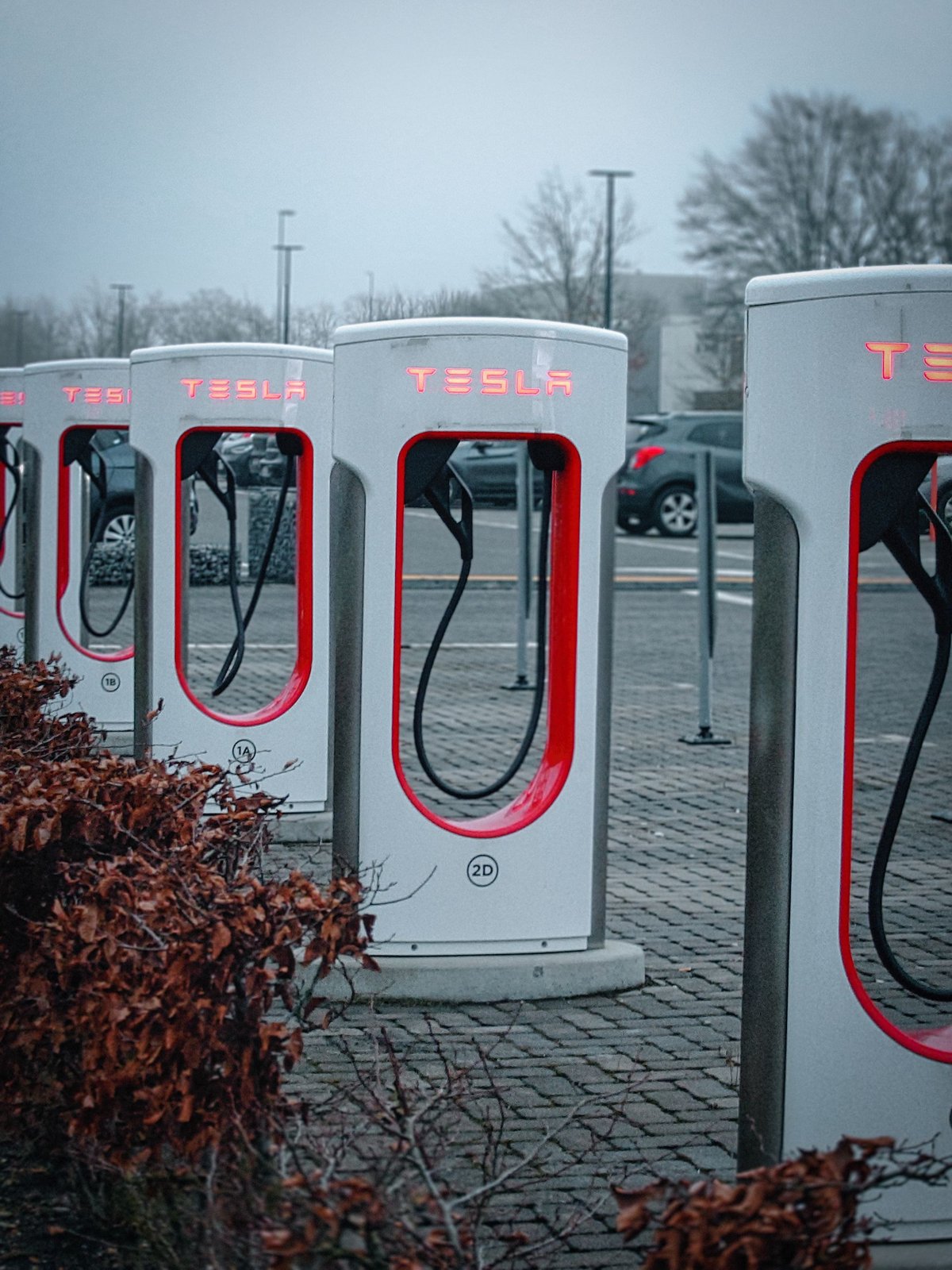
If you found this guide helpful, use our Tesla referral link for free Supercharging credits on a new Tesla purchase or lease in Canada.
Next story · swipe left
Next story
Starlink Launches Permanent 30% Discount on Canadian Residential and Roam Plans
4 min read
SpaceX has introduced a permanent 30% discount on Starlink Residential and Roam plans in Canada, cutting prices to $52.50/month for Residential and $52.50 for Roam 100GB. The offer applies to eligible areas and persists for the life of the subscription.
The Charge Brief
Get Canada’s EV transition in your inbox
One email a day. No spam, unsubscribe anytime.