

policy
Canada's 2026 Federal Budget Pledges $50B to Double the Electricity Grid by 2050
Budget 2026 commits over $50 billion to expand Canada's electricity infrastructure, including transmission lines, nuclear development, and $587M for 55,000 new EV chargers.

The Carney government's second federal budget, unveiled Thursday, is built around a single thesis: electricity is the new oil. Finance Minister François-Philippe Champagne put it plainly: "The countries with abundant electricity will be the leaders of the 21st century." Budget 2026 commits more than $50 billion in "bold and ambitious measures" to expand Canada's electricity system, with the explicit goal of doubling grid capacity by 2050.
Where the money goes
The $50B+ is not a single line item but a package rolled through existing tax credits and new capital commitments:
- Clean Electricity Investment Tax Credit: Extended past 2034 to the end of 2040, now covering "the highest-voltage intraprovincial electricity lines in each province."
- Clean Technology Tax Credit: Similarly extended to 2040.
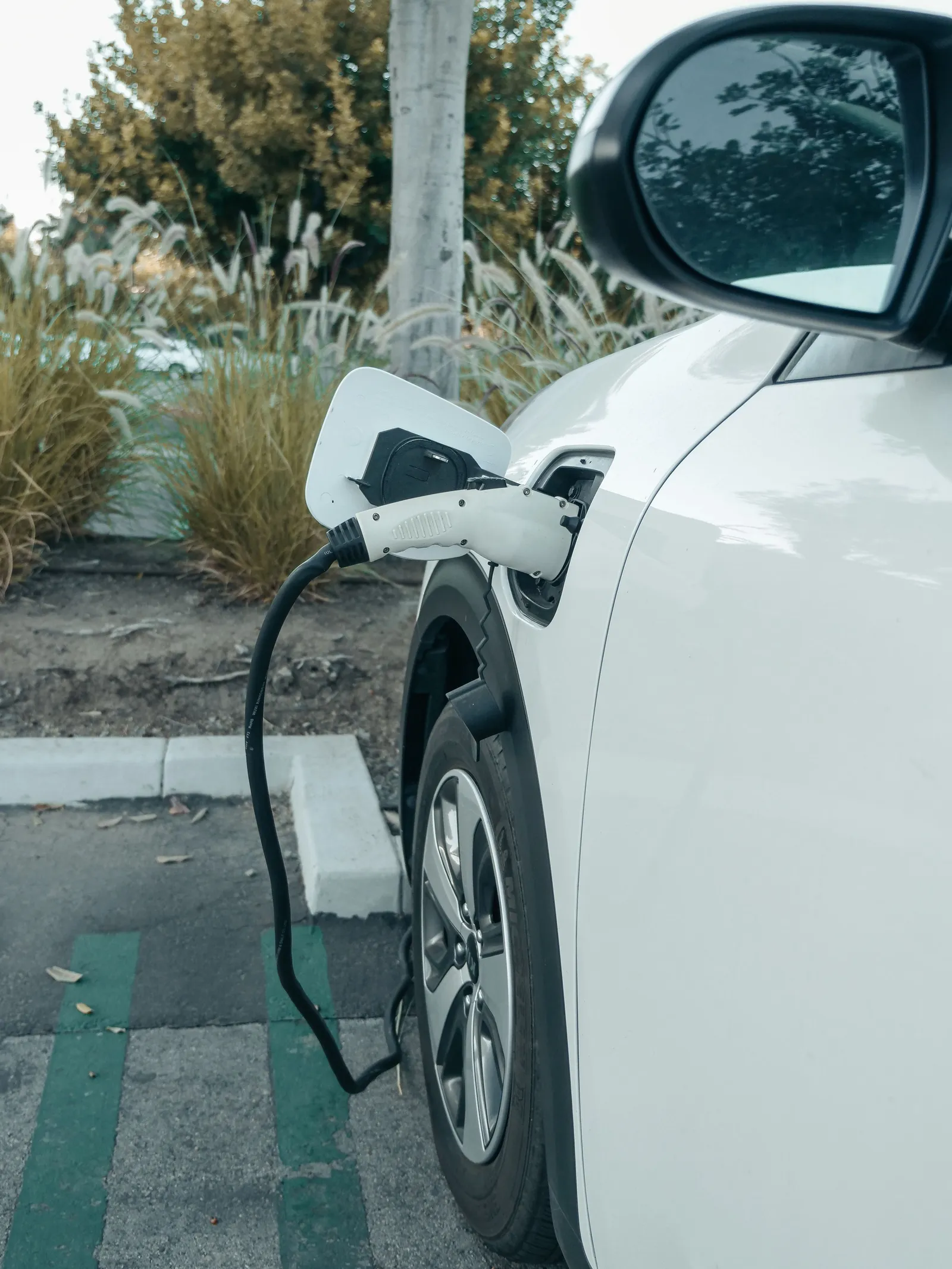
- EV charging infrastructure: $587 million over five years to renew the Zero-Emission Vehicle Infrastructure Program, supporting more than 55,000 additional EV chargers in areas that need them most.
- Nuclear development: New commitments to expand Canada's nuclear energy sector as a baseload complement to renewables.
- Transmission buildout: Federal support for "thousands of kilometres" of new transmission lines to connect provincial grids.
The budget documents the cost breakdown: $2.4 billion this decade, with the bulk — $36.1 billion — falling in fiscal years 2031-32 through 2041-42. This is a long-horizon commitment, not a near-term stimulus.
What it means for EV owners and the grid
The budget explicitly ties the grid expansion to the EV transition: "Producing and distributing more clean power is key to decarbonizing economies and achieving Canada's net-zero climate goal." The government anticipates more Canadians driving zero-emission vehicles and households shifting from gas furnaces to heat pumps — both of which strain existing capacity.
Energy-hungry AI data centres are also factored into the demand forecast, meaning the grid expansion serves both residential EV charging and commercial AI infrastructure.
The catch: timing risk
Senior researcher Hadrian Mertins-Kirkwood at the Canadian Centre for Policy Alternatives flagged a structural concern: "We do want that long-term certainty, especially for utilities and major investors who have to make these decisions over decades. The problem is they don't scale up very quickly, which means we might not see the investment we need for a few more years." In other words, the $50B is backdated well into the 2030s, and a future government could defund it.
| Component | Amount | Timeline |
|---|---|---|
| This decade | $2.4B | FY 2026–2035 |
| FY 2031–2042 | $36.1B | FY 2031–2042 |
| EV charger program | $587M | 5 years |
| Total electrification (through 2041-42) | $115B | Multi-decade |
The $115B total includes prior commitments; this budget adds $52B in new commitments on top. For Canadian EV drivers, the practical near-term takeaway is the 55,000-charger target — a meaningful step toward closing the rural and small-city charging gap that remains the top adoption barrier.
Looking for EV deals, insurance, or financing? Check out our partner deals and offers.
If you found this guide helpful, use our Tesla referral link for free Supercharging credits on a new Tesla purchase or lease in Canada.
Next story · swipe left
Next story
Transport Canada Adds Geely Plants to Import Registry — EX5 and Starray EM-i Cleared for Canadian Entry
4 min read
Transport Canada has added two Geely manufacturing plants to its Appendix G preclearance registry, signalling that the EX5 and Starray EM-i PHEV have likely cleared Canadian safety standards and Geely's 2027 Canadian launch is moving forward.
The Charge Brief
Get Canada’s EV transition in your inbox
One email a day. No spam, unsubscribe anytime.