
infrastructure
chargingUK Public EV Charging Costs Set to Breach £1/kWh in 2027 as Grid Fees Surge
New research warns that Ofgem's standing charge reforms could push UK rapid charging prices above £1 per kWh next year — a 30% jump from today's 79p average — as network charges for operators rocket by up to 616% since 2021.

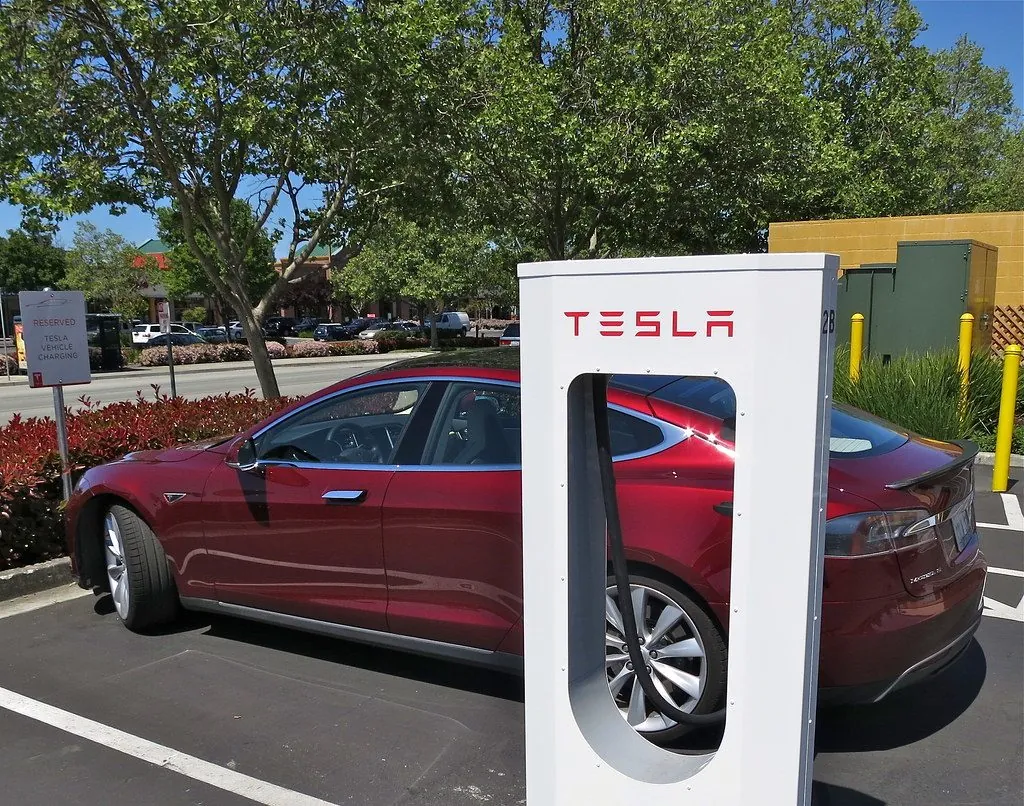
The cost of using a public rapid charger in the UK could exceed £1 per kWh in 2027, up from the current pay-as-you-go average of 79p per kWh, according to a new impact assessment by the EV newsletter The Fast Charge in partnership with charge point operator Zest. The culprit: Ofgem's Targeted Charging Review (TCR), which changed how energy networks bill business customers for grid access — shifting from consumption-based billing to capacity-based standing charges that operators must pay regardless of whether a vehicle actually plugs in.
Grid charges up 616% since 2021
Following the implementation of Ofgem's new business standing charges in 2022, the fixed grid charge for a standard rapid charger has rocketed from £61.47 per week in 2021 to £440.13 per week in 2026 — a 616% increase. Based on tariffs already set for 2027, the average weekly grid charge will climb above £540.
These charges must be paid by charging operators regardless of whether a vehicle actually uses the charger. The Reverse the Charge assessment projects that rapid-charging point operators will pay an additional £77 million in grid charges in 2027, bringing their annual total to £413 million. That cost will be passed through to drivers, potentially pushing the average rapid-charging price to £1.03 per kWh — a 30% increase that would make public charging more expensive than petrol or diesel for many drivers.
Why the TCR hits chargers hardest
Ofgem's TCR, finalized in 2021, aimed to spread the cost of maintaining the power grid more fairly after some large energy users shifted consumption away from peak times to avoid higher rates. The regulator's solution: allow energy networks to bill business customers based on the capacity they could use, rather than the electricity they actually consume.
EV charging providers are in the business of selling electricity to motorists, meaning Ofgem's changes fall directly on them. The UK government's own Cost of Public Electric Vehicle Charging Review, published recently, confirmed that "increasing network charges particularly impact the costs of operating rapid and ultra-rapid chargers."
Call for government intervention
Tom Riley, editor of The Fast Charge and author of the Reverse the Charge assessment, described the standing charges as "effectively a feudal tax, enabled by Ofgem without proper thought, with money going from a driver's pocket straight to the energy networks."
"At a time when the cost of running non-EVs is near a record high, the government must do all it can to provide relief for people wanting to go electric so they can save money," Riley said. "At present, the UK is allowing a situation where going electric, especially if you don't have a driveway, could be more expensive than sticking with a banger."
What this means for Canada
While the UK's regulatory framework differs from Canada's, the core dynamic — grid connection costs and standing charges making fast-charging economics difficult — is directly relevant. Canadian charging operators face similar challenges: demand charges from utilities, high grid connection costs for highway corridors, and the need to recover fixed costs across relatively low utilization rates. As Canada builds out its 55,000-charger federal target, the UK experience underscores the importance of regulatory frameworks that don't inadvertently penalize the charging infrastructure the transition depends on.
Looking for EV deals, insurance, or financing? Check out our partner deals and offers.
If you found this guide helpful, use our Tesla referral link for free Supercharging credits on a new Tesla purchase or lease in Canada.
Next story · swipe left
Next story
Tesla Cybercab Test Fleet Expands to Detroit, Joining Waymo in Michigan's Autonomous Rideshare Race
4 min read
Two dozen Tesla Cybercabs spotted testing on Detroit-area roads, joining Waymo's driverless operations. The expansion signals Tesla's push into multi-season, complex urban autonomous driving.
The Charge Brief
Get Canada’s EV transition in your inbox
One email a day. No spam, unsubscribe anytime.