
policy
Carney Says Canada Could Turn to Chinese Automakers If U.S. Trade Talks Fail
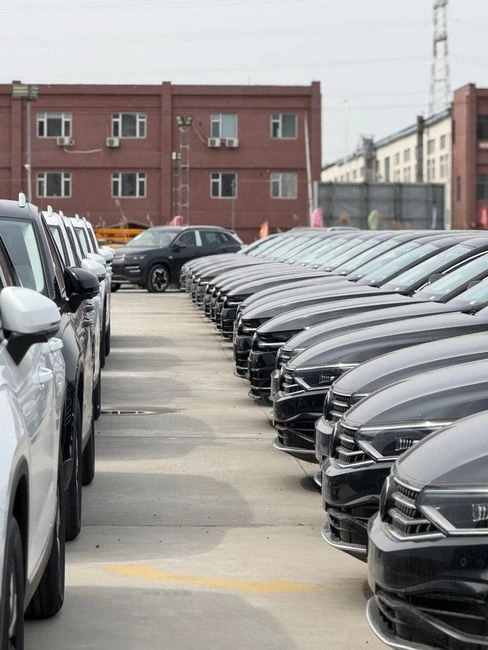
Prime Minister Mark Carney told reporters in Cambodia that Canada would consider Chinese auto investment if U.S. trade negotiations collapse, while confirming progress toward a possible deal with the Trump administration.

Prime Minister Mark Carney said Saturday that Canada could work with Chinese automakers if trade talks with the United States fail to produce a viable agreement for the Canadian auto sector. Speaking to reporters in Cambodia during his ASEAN summit visit, Carney confirmed he had spoken at length with U.S. President Donald Trump and senior American officials, and that the two countries were making progress toward a possible trade deal — though differences remain.
Not leverage, but 'action, reaction'
Asked whether potential Chinese investment was intended as leverage in the U.S. negotiations, Carney replied: "It's not leverage. But action, reaction." He emphasized that Canada's preference remains an integrated North American auto market: "We have the best auto workers in the world, and we want them fully deployed, full opportunity, in an integrated North American market. That market has become less integrated because of U.S. trade actions."
Carney added that any Chinese involvement would need to include actual manufacturing, not just vehicle imports: "It's not just about kit cars. There has to be a manufacturing aspect involved."
Context: the 49,000-vehicle Chinese EV quota
The remarks come as Canada's 49,000-vehicle-per-year Chinese EV import quota — negotiated during Carney's January visit to Beijing — enters its second window. Quota usage has been slow: only about 31 percent of permits had been drawn down as of mid-September, largely because Chinese automakers were still navigating Canada's safety certification process. The quota allows Chinese-built EVs (primarily Teslas from Shanghai, with BYD, Zeekr, and Lotus following) to enter at a 6.1% most-favoured-nation tariff instead of the 100% surtax imposed in October 2024.
U.S. trade talks progressing, but gaps remain
Carney said Saturday that discussions with the Trump administration had advanced, with both sides working toward a possible agreement that would preserve Canadian auto manufacturing. However, he acknowledged that differences remain on key issues including U.S. content requirements and tariff structures. The U.S. has previously demanded a 50% U.S. content requirement in broader USMCA renegotiations.
Provincial pushback
Ontario Premier Doug Ford has publicly warned Ottawa against allowing Chinese EV kits to be assembled at the Brampton plant, calling it a threat to auto workers. Industry Minister Mélanie Joly has said new auto investments must prioritize Canadian labour and parts. Unifor has also raised "serious concerns" about Chinese manufacturing involvement.
Looking for EV deals, insurance, or financing? Check out our partner deals and offers.
If you found this guide helpful, use our Tesla referral link for free Supercharging credits on a new Tesla purchase or lease in Canada.
Next story · swipe left
Next story
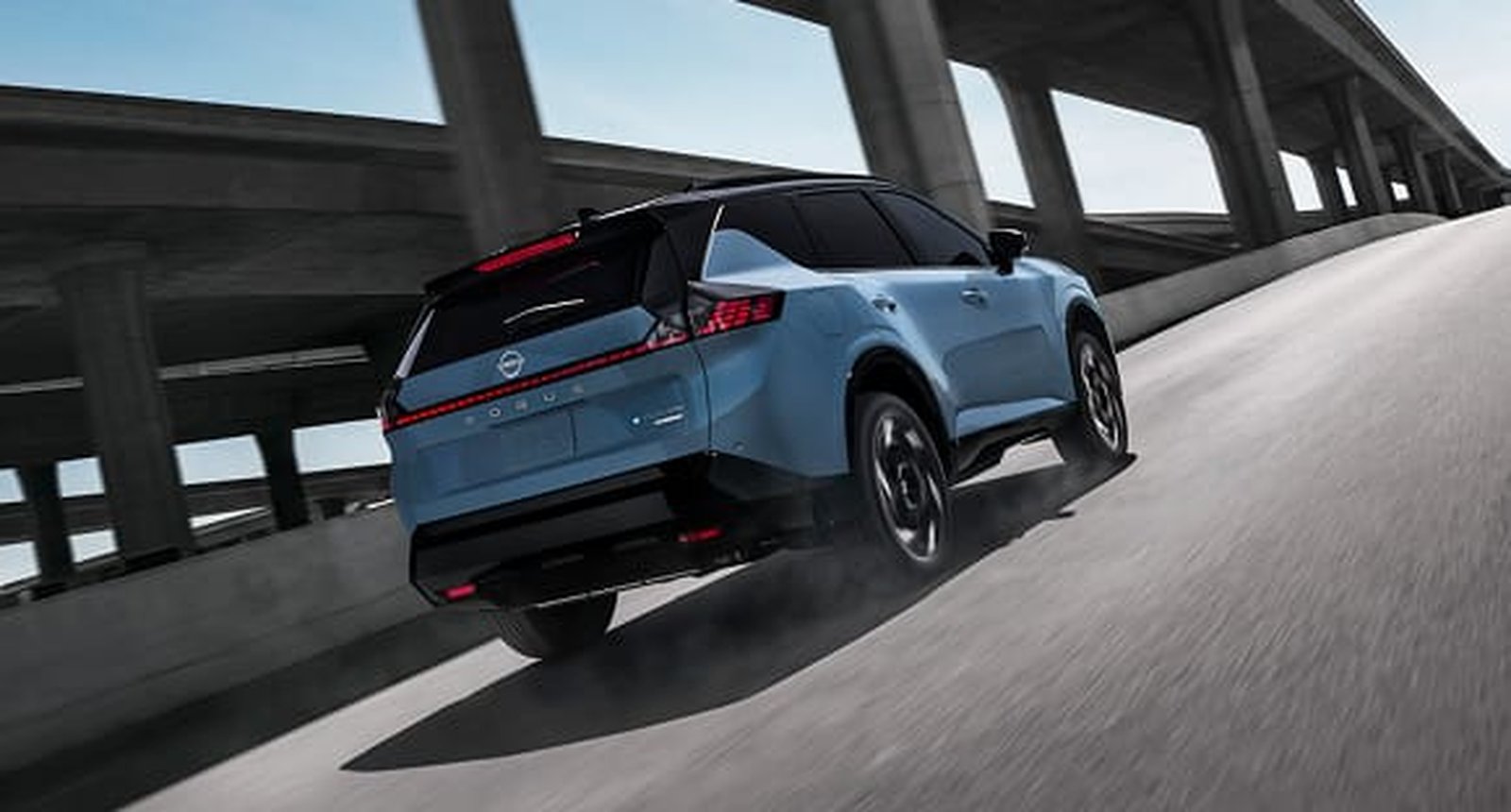
All-New 2027 Nissan Rogue Hybrid Now Available in Canada: No Plug Required
4 min read
The 2027 Nissan Rogue Hybrid has started arriving at Canadian dealerships. Nissan's e-POWER system delivers EV-like driving with a 225 hp dual-motor AWD setup and no charging required. SV starts at $39,998.
The Charge Brief
Get Canada’s EV transition in your inbox
One email a day. No spam, unsubscribe anytime.