
industry
driversUber's EV Drivers Set a Record: 207 Million Rides in Q3 2026 — Canada at 1 in 10
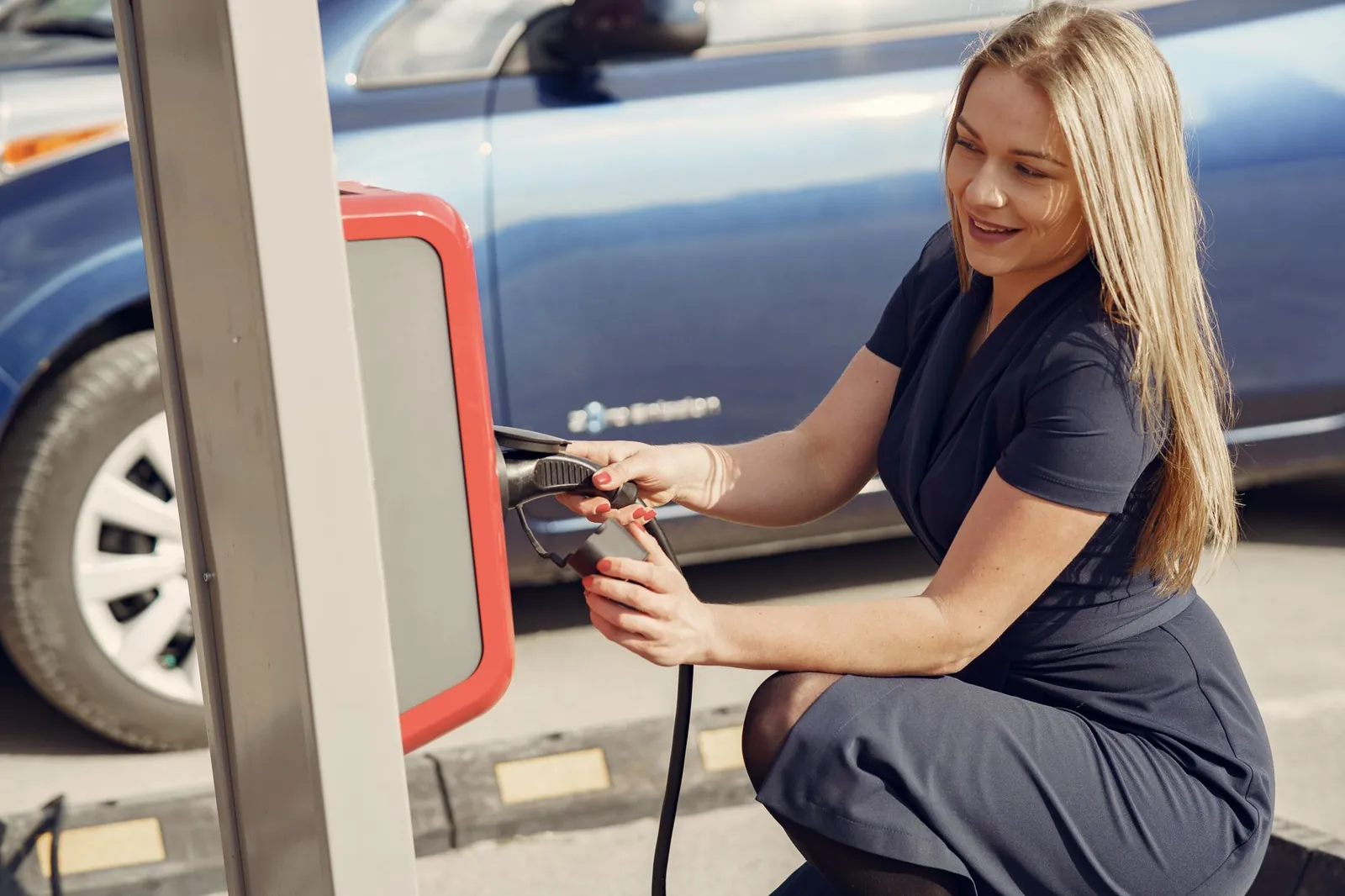
Uber drivers completed a record 207.4 million EV rides globally in Q3 2026, up 52% year over year. In Canada, one in ten Uber trips was in an electric vehicle — a milestone for Canadian ride-hail.

Uber has reported its strongest quarter yet for electric-vehicle rides, with drivers completing 207.4 million EV trips globally in Q3 2026 — a 52% jump over the same period last year. That works out to more than 26 EV trips every second on the platform. For Canadian drivers, the numbers mark a real inflection point: one in ten Uber rides completed in Canada during the quarter was in an electric vehicle.
The numbers behind the record
According to Uber's sustainability reporting, 434,000 EV drivers were active on the platform globally between July and September 2026, up 52% year over year. The growth is not evenly distributed, though. Europe continues to lead, with one in five Uber trips completed in an EV. In North America — the U.S. and Canada combined — the figure is one in ten, up from a relatively flat trajectory since Q3 2024.
Uber attributes the North American lag to two factors: European drivers have had stronger EV and hybrid adoption incentives, and the U.S. and Canada have less dense public charging infrastructure in the corridors where most ride-hailing happens. Uber has been offering cash bonuses and grants to drivers who switch to EVs, including a $4,000 grant program that expanded across the U.S. earlier this year.
What this means for Canadian drivers
- Fleet electrification is accelerating: 434,000 active EV drivers globally is a 52% year-over-year increase, and the trend is steepest in markets with strong charging access
- Canada is catching up: 10% EV share in Q3 2026 marks the first time the figure crossed the one-in-ten threshold, driven by lower electricity costs in provinces like BC and Quebec
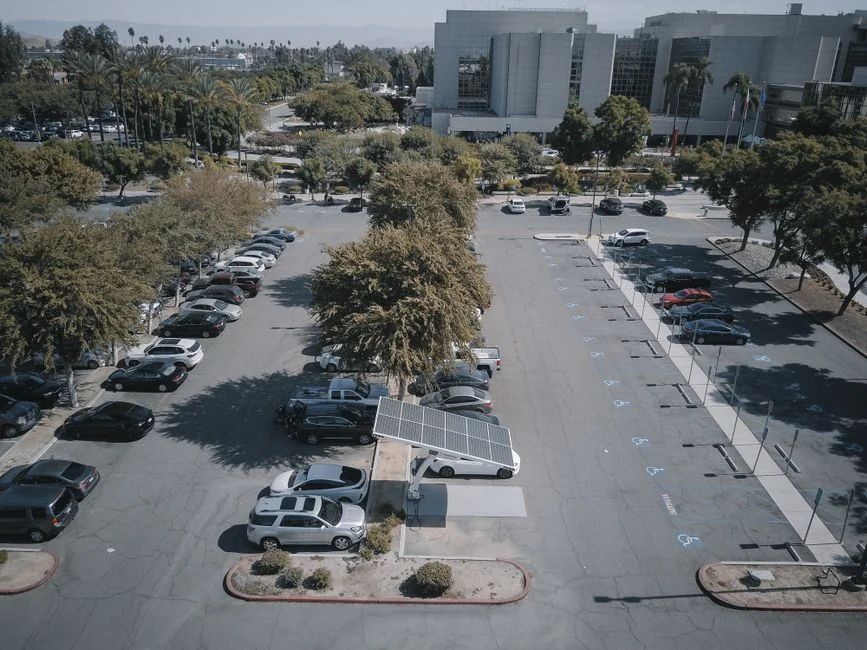
- Charging remains the bottleneck: Uber notes that public fast-charge availability along major corridors is the single biggest barrier to driver adoption in North America
- Emissions still lag: Despite the record, average emissions per mile in the U.S. and Canada ticked up to 318 g CO₂ in Q3 2026, up from 306 g in 2023 — because the total ride volume grew faster than the EV share
The 2030 gap
Uber's long-term target is 100% zero-emission rides in Canada, Europe, and the U.S. by the end of the decade. The company acknowledged in its Q3 reporting that, at the current pace, that goal "continues to be out of reach" without significant additional investment in charging infrastructure and driver incentives. The company says it remains "deeply committed to the transition" and is scaling its driver-switching programs accordingly.
For Canadian EV owners considering driver work, the data suggests the window is opening: fleet demand for EVs is real, the charging network is densifying, and the per-km cost advantage of an EV over a comparable gas vehicle makes the economics work in most provinces. The main constraint remains access to reliable fast-charging during shifts.
Looking for EV deals, insurance, or financing? Check out our partner deals and offers.
If you found this guide helpful, use our Tesla referral link for free Supercharging credits on a new Tesla purchase or lease in Canada.
Next story · swipe left
Next story
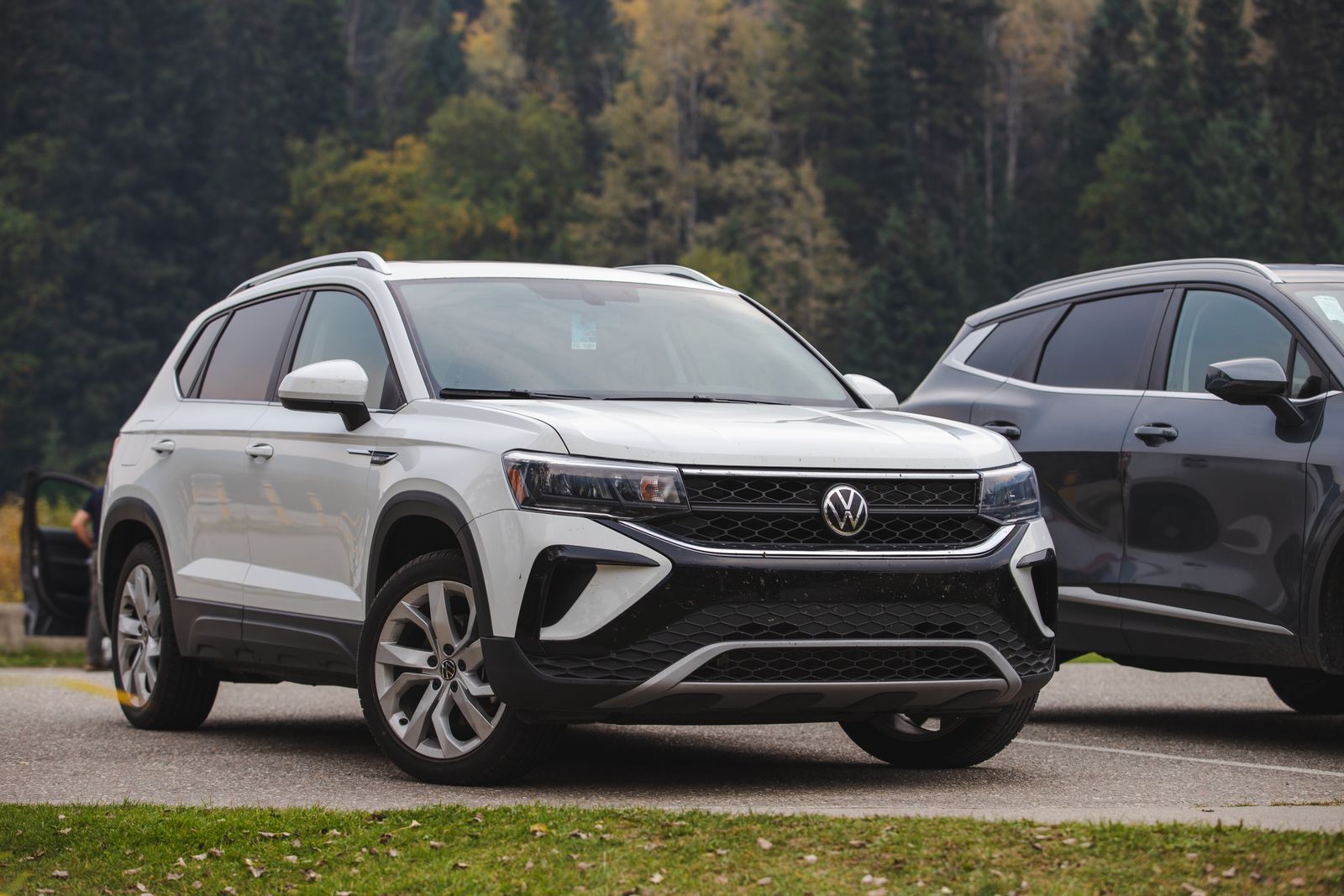
VW Recalls 38,710 Taos Crossovers in North America Over Fuel Tank Wiring Defect
4 min read
Volkswagen is recalling 38,710 Taos crossovers after Transport Canada's crash testing revealed a fuel pressure sensor wiring harness that is too short, risking fuel leaks in a severe rear-end collision.
The Charge Brief
Get Canada’s EV transition in your inbox
One email a day. No spam, unsubscribe anytime.