

policy
teslaTwo Massive Tesla Recalls in China Show Why OTA Fixes Matter in Canada Too
China ordered Tesla to recall millions of cars over driver monitoring and door handles. Canadian drivers should understand how Transport Canada handles the same defects — and when a software update isn't enough.
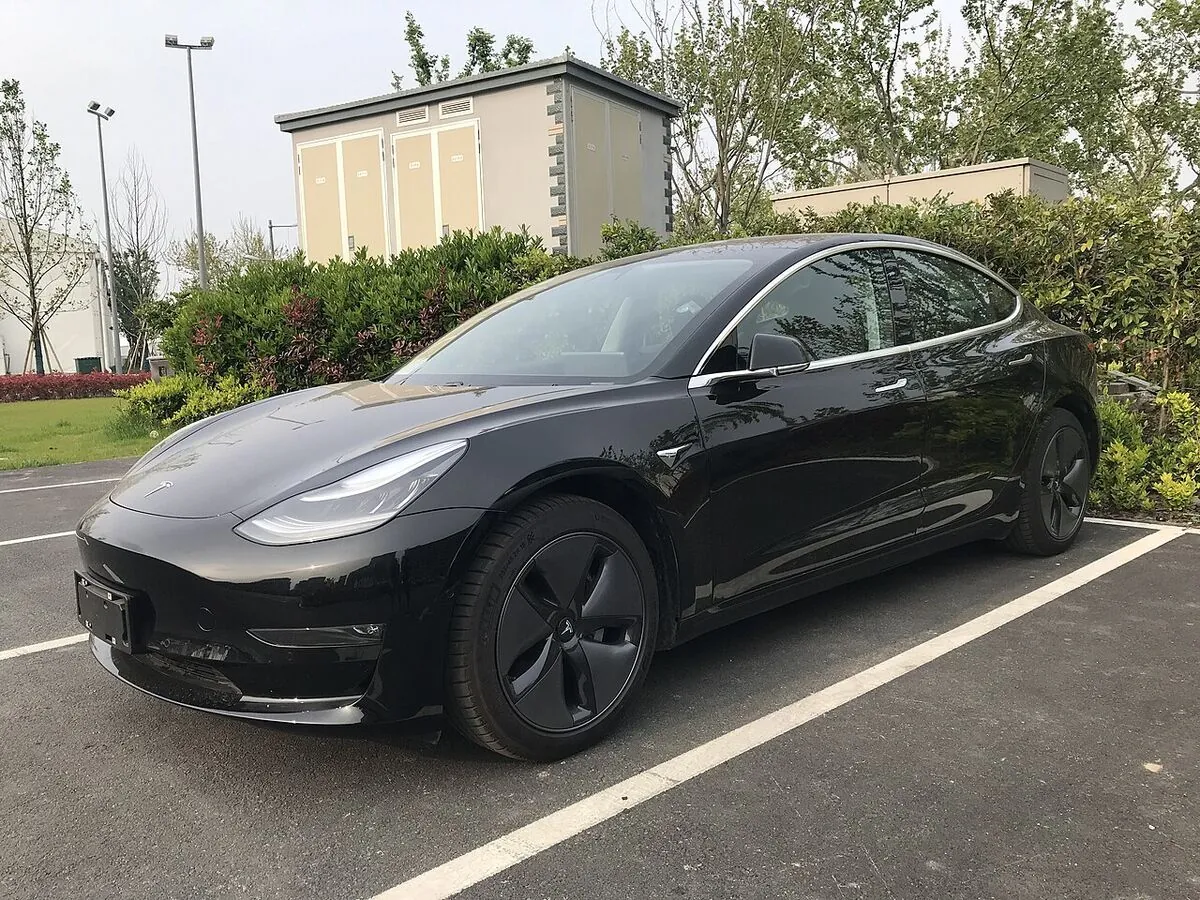
Tesla is recalling more than two million vehicles in China to add stricter driver monitoring for its driver-assistance features, and nearly three million more over a door-handle design that could trap occupants in a crash. The two orders, reported this week by Chinese regulators, rank among the largest single-manufacturer recall actions in the country's history.
For Canadian drivers, the immediate question is simpler: does any of this apply here? The honest answer is that Canadian recall law works differently — and in some ways, less transparently.
What China actually ordered
The first recall addresses how Tesla's driver-monitoring system checks whether owners are paying attention while using assisted driving. Chinese regulators want camera-based attention checks enforced more aggressively, and Tesla is deploying the fix over the air. The second covers door handles that may fail to unlatch if the car loses power after a collision — a scenario where occupants or rescuers need mechanical escape, not electronic latches.
Neither action has an identical Canadian counterpart on the books today. That doesn't mean Canadian vehicles are immune — many of the same parts and software run in North American cars. It means the defect simply hasn't been formally recalled here, or hasn't been yet.
How Transport Canada handles it
Transport Canada runs its own road-safety recall database, and manufacturers notify the department when a defect affects Canadian-market vehicles. But there is a structural quirk: software-only defects are increasingly fixed through "service campaigns" or silent over-the-air updates that never appear as formal recalls. China's regulator now requires over-the-air fixes to be filed as recalls with timelines and scope. Canada has no equivalent rule that forces the same paper trail.
The practical result is that a Canadian Tesla owner may receive a genuine safety improvement one morning via a software update and never see an official record explaining what changed or why.
What owners should do
Three habits close the gap. First, check the Transport Canada recall database by VIN a few times a year — not just once at purchase. Second, read release notes when the car updates; safety-relevant changes are usually described even when no recall is filed. Third, for anything mechanical — door handles, latches, trim — report problems to Transport Canada's defect complaint program. Recalls in Canada often begin with owner reports, and the database is public.
The China actions are a reminder that the same defect can be a formal recall in one country and an invisible update in another. The vehicles are global. The paperwork is not.
Looking for EV deals, insurance, or financing? Check out our partner deals and offers.
If you found this guide helpful, use our Tesla referral link for free Supercharging credits on a new Tesla purchase or lease in Canada.

Next story · swipe left
Next story
EV Leasing vs Buying in Canada 2026: Which One Actually Saves You Money
5 min read
Leasing an EV in Canada vs buying outright — real depreciation math, federal lease incentives, and the scenarios where each one wins.
The Charge Brief
Get Canada’s EV transition in your inbox
One email a day. No spam, unsubscribe anytime.