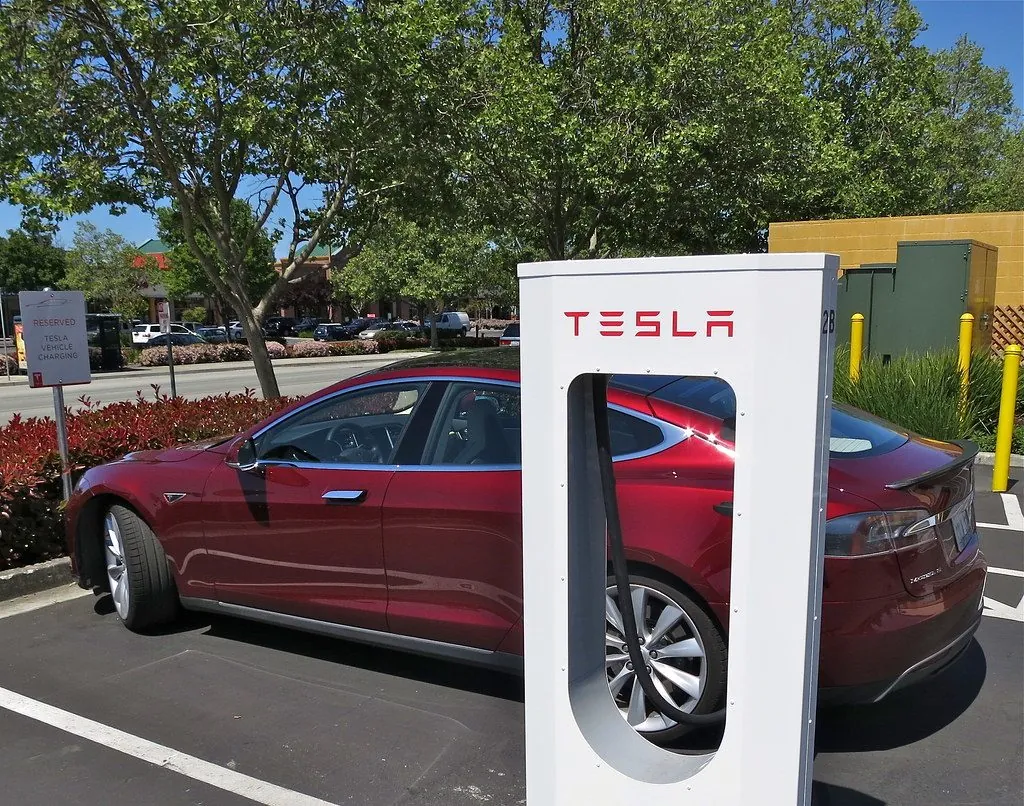

EV Drivers in Canada Can Now Earn Money by Charging Their Cars
A new wave of vehicle-to-grid (V2G) technology allows Canadian EV owners to sell excess battery power back to the grid, turning their cars into potential income generators.

For years, electric vehicle (EV) owners in Canada have focused on saving money on fuel and maintenance. Now, a growing number of drivers are finding that their EVs can actually earn them money. This is made possible through Vehicle-to-Grid (V2G) technology, which allows EVs to send stored electricity back to the power grid during peak demand periods.
How V2G Monetization Works
Traditional EV charging is a one-way street: energy flows from the grid to the car. V2G technology uses a bidirectional charger to reverse this flow. When electricity prices are high (typically during evening peaks in summer or winter), the grid needs more power. EV owners can sell the excess energy stored in their batteries back to the utility, earning a credit on their utility bill or a direct payment.
This isn't just theoretical. Utilities in Ontario and British Columbia are piloting programs that offer financial incentives for participating in demand-response events. By plugging in for a few hours during peak times and allowing the grid to draw power from your car, you can offset your charging costs significantly.
Is It Worth It?
The earnings vary by province, season, and how often you participate. However, for owners who charge their vehicles overnight and drive them during the day, the potential savings can be substantial. Here’s what to consider:
- Equipment Costs: You need a bidirectional charger and a V2G-enabled EV (like the Nissan Leaf or upcoming Ford F-150 Lightning). Installation can cost between $2,000 to $5,000 CAD.
- Utility Programs: Not all utilities offer V2G incentives yet. Check with Hydro One, BC Hydro, or your local municipal utility.
- Battery Health: Frequent deep discharges to sell power may slightly accelerate battery degradation, though modern BMS (Battery Management Systems) mitigate this risk.
The Future of the "Energy Car"
As Canada’s grid becomes more reliant on renewable energy, the need for flexible storage grows. EVs represent a massive, distributed battery network. For Canadian drivers, this means their cars are no longer just transportation devices but active participants in the energy economy. It’s a small step toward a more sustainable and economically viable electric future.
Looking for EV deals, insurance, or financing? Check out our partner deals and offers.
If you found this guide helpful, use our Tesla referral link for free Supercharging credits on a new Tesla purchase or lease in Canada.

Next story · swipe left
Next story
Starlink Expands Demand-Based Pricing to Canada — Toronto Now Priced 10% Over List
4 min read
SpaceX has rolled out location-based dynamic pricing for Starlink Residential across the U.S. and into Canada. A downtown Toronto address now quotes C$82.50/month, 10% above the regular C$75 list price. Here's what Canadian subscribers should know.
The Charge Brief
Get Canada’s EV transition in your inbox
One email a day. No spam, unsubscribe anytime.