
infrastructure
chargingCanada built nearly 100 EV charging stations in Q3 2026
A report from Paren shows Canada added 103 new charging stations and 391 new ports in Q3 2026, with Quebec and Ontario leading the growth, while Tesla's share of DCFC ports declines.

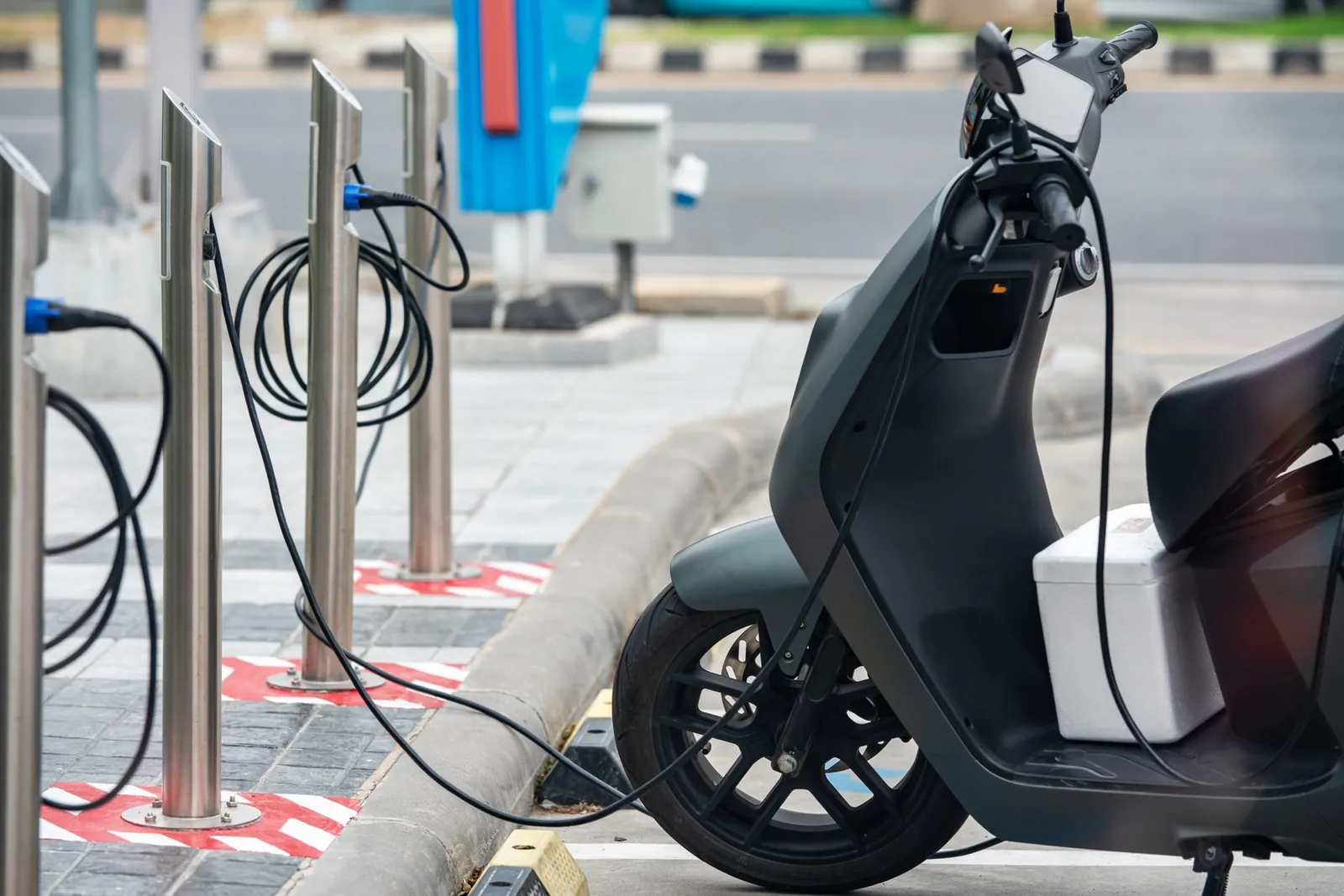
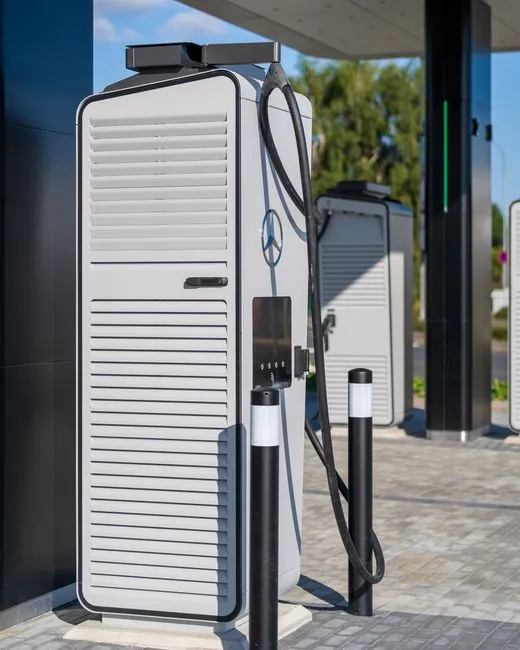
Canada’s EV charging infrastructure continued its steady expansion in the third quarter of 2026, with nearly 100 new stations coming online across the country.
A report from data intelligence firm Paren, released October 13, found that Canada added 103 new charging stations and 391 new fast-charging ports during Q3 2026. This brings the national network to 2,740 stations and 9,615 fast-charging ports year‑over‑year, up from 2,275 stations and 7,585 ports in Q3 2025.
Of the 103 new stations, 93 were brand‑new sites and 10 were existing stations that added additional ports. This compares with 77 new sites and 24 expansions in Q2 2026.
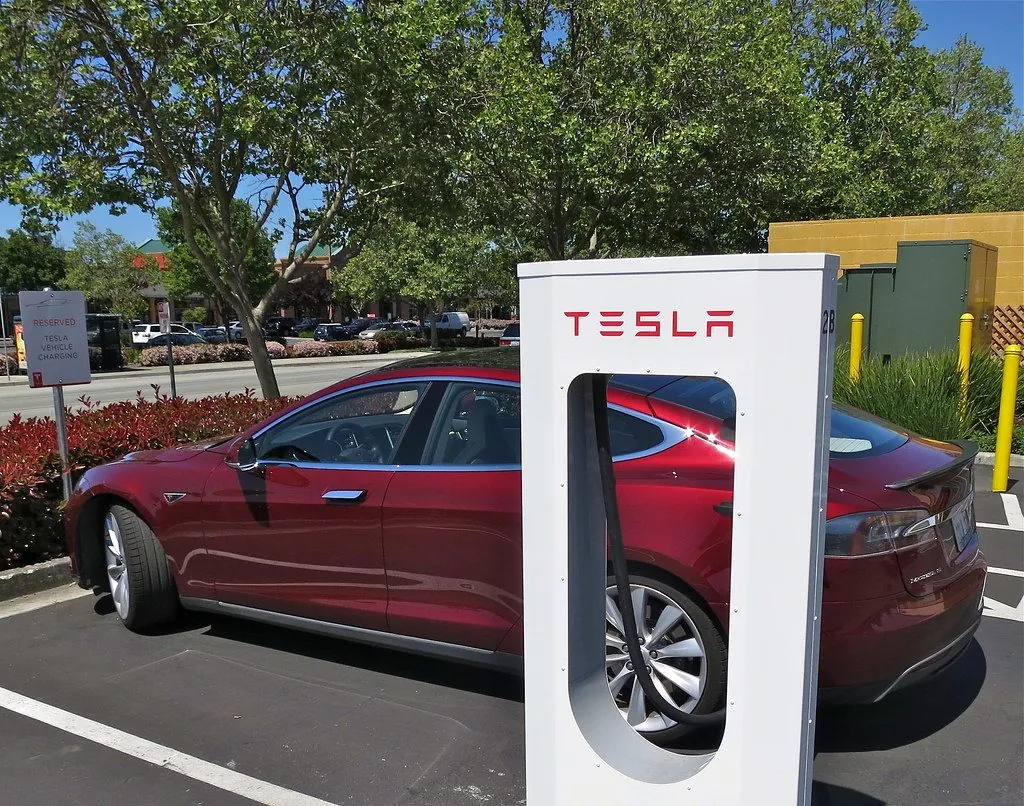
Paren’s analysis shows a clear divide between Tesla and non‑Tesla providers. Non‑Tesla stations averaged 3.2 new ports per site, in line with the previous quarter. Tesla stations, however, averaged 9.8 new ports per site—still a wide margin over non‑Tesla competitors, though down from 16.3 ports per site in Q2 and the lowest since Q1 2026, when Tesla added only 10.6 ports per station.
Despite installing 88 of the quarter’s 391 new ports (22.5 %), Tesla’s share of Canada’s DC fast‑charging (DCFC) portfolio has slipped to 32.1 %, down from 36.0 % in 2025, even as its absolute number of ports rose from 2,729 to 3,091.
The next‑largest contributors were Circuit Électrique, which added 61 total ports (15.6 % of the quarter’s total), and ChargePoint, which added 41 ports (10.5 %). The remaining 27 networks outside the top ten collectively added 90 ports, representing 23.0 % of the quarter’s new ports.
Geographically, eight provinces and territories saw at least one new station in Q3. However, 86.4 % of the new stations were concentrated in just three provinces: Quebec led with 49 stations (up from 44 in Q2), Ontario added 22 stations (up from 21), and British Columbia contributed 18 stations (down from 21 in Q2).
Utilization rates reveal where the chargers are busiest. British Columbia (13.1 %) and Ontario (11.5 %) have the highest charger utilization, with Prince Edward Island close behind at 10.1 %. At the other end, the Northwest Territories lag at just 0.3 % utilization, while Yukon and Saskatchewan sit at 3.9 %.
The figures underscore that Canada’s charging network is growing, though the pace of Tesla‑specific deployment is slowing relative to the broader market, and utilization remains highly regional.
Looking for EV deals, insurance, or financing? Check out our partner deals and offers.
If you found this guide helpful, use our Tesla referral link for free Supercharging credits on a new Tesla purchase or lease in Canada.

Next story · swipe left
Next story
Best EV Deals in Canada (October 2026)
6 min read
Find the most affordable electric vehicles in Canada for October 2026, including the Fiat 500e Pop, Nissan LEAF S, Kia EV3, and more, with savings up to $8,000 and federal EVAP rebates.
The Charge Brief
Get Canada’s EV transition in your inbox
One email a day. No spam, unsubscribe anytime.