
infrastructure
powerBC Hydro Outage: How Electric Trucks Became Emergency Power for Rural Homes
After heavy winds knocked out power to tens of thousands of B.C. Interior customers, residents turned to electric trucks like the F-150 Lightning to keep fridges, freezers and lights running for days.

What began as a routine power outage turned into an improvised off-grid experiment for some residents of the B.C. Interior. After a series of storms in early November brought heavy winds that downed trees and power lines across the region, tens of thousands of B.C. Hydro customers were left without electricity for days, and some rural households turned an unexpected asset into their lifeline: their electric pickup trucks.
Trucks as backup generators
Among those who posted photos of their setup was Bobbi Carpino, who runs the Salmon Valley campground north of Prince George. Her property lost power for the entire weekend after a Friday night storm, and she used her Ford F-150 Lightning to keep the essentials running.
"We plugged in our deep freeze, our fridge ... lights," Carpino told CBC. "I do have an espresso machine, so that little luxury was something I needed to have in the morning, so we plugged that one in, as well."
She said running those appliances over the outage period drained roughly three per cent of the truck's battery per day — a figure she said was similar to other owners' experiences. "From what I understand, you can power an entire house," she said.
Why the Lightning works for this
Ford markets the F-150 Lightning's onboard power as a feature for exactly this sort of scenario, advertising the truck as able to power a home for up to three days under the right conditions. The practical limit, of course, depends on what is plugged in and how much is drawing power at once.
Carpino said she is now looking into adapters that could make it easier to power the whole home rather than just a handful of circuits. She also offered a caveat: if the truck is needed to drive into town, it can't simultaneously act as a generator — so a conventional backup generator still has a role to play.
Grid restoration and homeowner responsibilities
B.C. Hydro said the widespread nature of the outage, combined with downed trees and challenging conditions, meant crews — even working 24/7 alongside contractors — had to prioritize main lines, resulting in lengthy delays for some customers. Specialized equipment was brought in to clear downed trees.
On Thursday, the utility issued an advisory to anyone still without power: inspect electrical equipment like meter bases and service masts (where the wires connect to the home) for damage before power is restored. That equipment belongs to the homeowner and must be repaired by a licensed electrician before B.C. Hydro can safely reconnect service.
The utility also used the moment to remind customers to restock an emergency kit capable of lasting at least 72 hours during widespread outages.
For the growing number of Canadian EV owners, the Prince George storm is a useful real-world data point: a large electric truck's battery, paired with the right setup, can hold a household together through a multi-day outage — but it's a supplement to, not a replacement for, a reliable backup power plan.
Looking for EV deals, insurance, or financing? Check out our partner deals and offers.
If you found this guide helpful, use our Tesla referral link for free Supercharging credits on a new Tesla purchase or lease in Canada.
Next story · swipe left
Next story
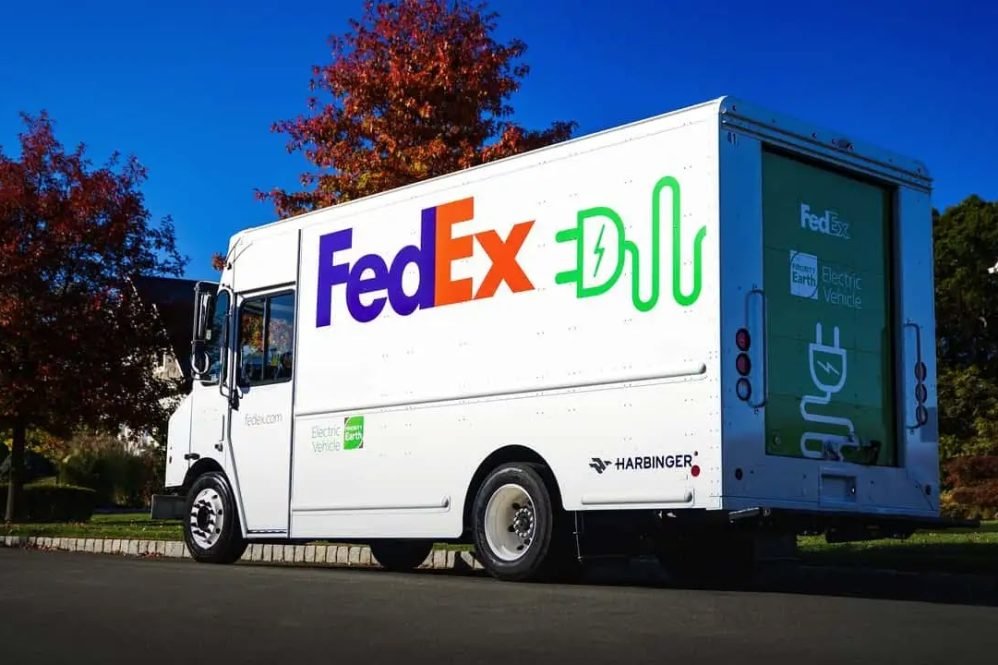
FedEx Orders 2,000 Harbinger Electric Trucks for U.S. and Canada Deployment
4 min read
FedEx is adding 2,000 all-electric medium-duty trucks from Harbinger in a deal worth over US$300 million, with vehicles rolling out across Canada and the U.S. by end of 2027.
The Charge Brief
Get Canada’s EV transition in your inbox
One email a day. No spam, unsubscribe anytime.