
technology
NHTSA Opens Investigation Into comma.ai After 5 Crashes, 3 Deaths
The National Highway Traffic Safety Administration is investigating 30,000 vehicles equipped with comma.ai's openpilot system after five crashes where vehicles struck stopped traffic — two fatal, three deaths total, 11 injured.
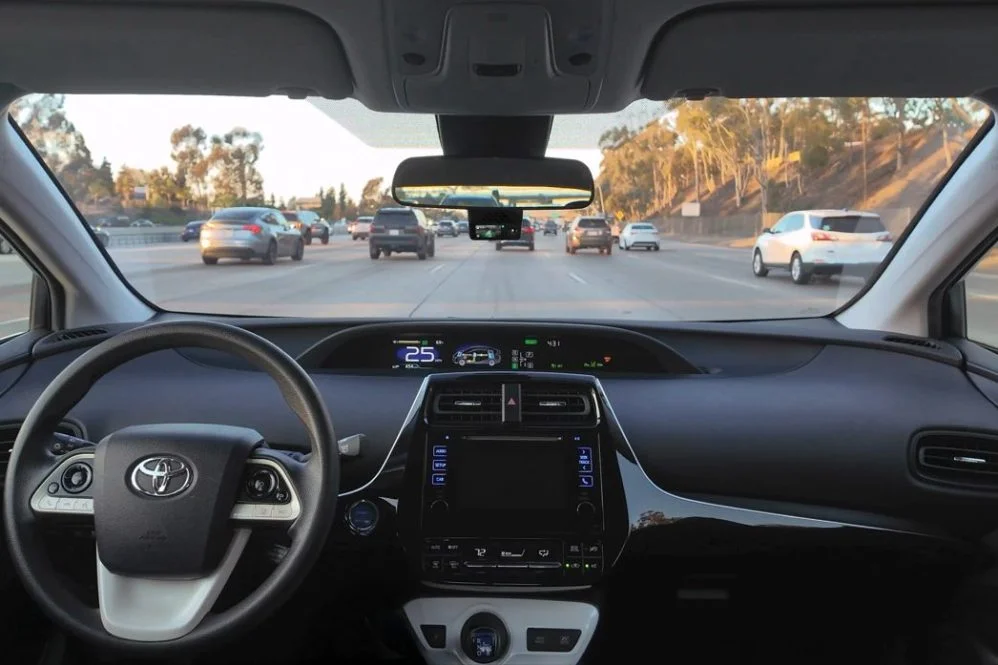
The National Highway Traffic Safety Administration (NHTSA) has opened a formal investigation into comma.ai and its openpilot driver-assistance system after five crashes in which vehicles equipped with the aftermarket system struck stopped or slow-moving traffic in their lane. Two of the crashes resulted in three deaths; four crashes caused injuries to 11 people.
What is comma.ai?
Comma.ai sells consumer hardware — the comma three, comma 3X, and comma four devices — that owners install in compatible vehicles to add sustained speed and steering control. The openpilot software uses cameras on the device alongside the vehicle's existing sensors. Unlike factory-installed ADAS, the hardware is sold directly to consumers for self-installation.
Comma.ai describes openpilot as capable of driving for extended periods without intervention, while stating that drivers must remain alert and prepared to take over at all times. The system is estimated to be active in approximately 30,000 vehicles across the U.S.
What NHTSA is investigating
- Obstruction detection: In all five crashes under review, vehicles with comma.ai devices struck stopped or slow-moving vehicles ahead in the same lane. Investigators are examining whether the system detected the vehicles and how it responded before impact.
- Driver monitoring: The agency is reviewing the safeguards meant to keep drivers attentive and ready to intervene.
- Modified software: NHTSA will also look at incidents involving modified versions of openpilot, known as "forks," which are developed by the community.
- System status confirmation: Investigators have confirmed the system was powered on or engaged in multiple incidents, but are still gathering data for each crash.
Canadian context
Transport Canada has not opened a parallel investigation at the time of publication. The NHTSA investigation covers vehicles in the United States, but comma.ai devices are sold and used in Canada. Canadian owners of comma three, 3X, or four devices should monitor Transport Canada's Motor Vehicle Safety Recalls database for any future action.
Why this matters for aftermarket ADAS
The investigation highlights a growing regulatory gap: factory-installed driver-assistance systems (Tesla Autopilot, Ford BlueCruise, GM Super Cruise) face NHTSA oversight and standing general orders requiring crash reporting. Aftermarket systems like openpilot have operated with less formal scrutiny despite being installed on public roads.
The investigation covers not just comma.ai's official releases but also community forks — a unique challenge for regulators since modified code can change safety-critical behavior without any centralized review or reporting mechanism.
Looking for EV deals, insurance, or financing? Check out our partner deals and offers.
If you found this guide helpful, use our Tesla referral link for free Supercharging credits on a new Tesla purchase or lease in Canada.

Next story · swipe left
Next story
EV Leasing in Canada 2026: Best Deals, Residuals, and Lease vs Buy
6 min read
EV leasing in Canada is changing in 2026 — residual values, lease terms, incentives, and whether leasing or buying an electric car makes more sense right now.
The Charge Brief
Get Canada’s EV transition in your inbox
One email a day. No spam, unsubscribe anytime.