
policy
salesCanada's ZEV Mandate Repeal Is Officially Open for Comments — Until October 29
Draft regulations published August 15 would repeal the federal EV sales mandate and replace it with technology-neutral GHG targets of 75% EV sales by 2035. Stakeholders have until October 29, 2026 to weigh in.
Canada's plan to repeal its federal electric vehicle sales mandate is now a formal, on-the-record consultation — and the clock is running. Draft amendments published August 15, 2026 in Part I of the Canada Gazette would strike the Electric Vehicle Availability Standard (EVAS), the ZEV sales mandate introduced in 2023, and stakeholders have until October 29, 2026 to submit comments before the rules are finalized.
What the proposal actually does
According to the Osler analysis of the draft amendments to the Passenger Automobile and Light Truck Greenhouse Gas Emission Regulations, the repeal eliminates the annual ZEV sales targets automakers and importers had to meet, along with the entire compliance apparatus behind them: reporting obligations, and the creation, banking, trading and management of ZEV credits and deficits. The existing fleet-average CO2 emission standards and testing requirements under the same regulations would remain in force.
Why Ottawa says the mandate has to go
The Regulatory Impact Analysis Statement published with the draft cites four factors: ZEV sales in Canada fell from roughly 14 percent of new vehicle sales in 2024 to about 9 percent in 2025; the federal iZEV purchase incentive program has ended; U.S. EV policy and emissions standards have shifted; and tariff pressures are straining the integrated North American auto market. Ottawa's stated view is that mandatory thresholds could add pressure on manufacturers while consumer demand stays uncertain.
What replaces the mandate
The government frames the repeal as a shift in method, not in destination. The announced strategy targets 75 percent EV sales by 2035 and 90 percent by 2040 — but as aspirations backed by new Canada-specific, technology-neutral GHG emission standards, not the mandatory sales quotas of the EVAS. Auto123, reporting on the Canada Gazette publication, notes the government's own regulatory impact analysis expects the repeal to lead to fewer ZEV sales than the current regulations, estimating a net loss of 326 megatonnes of GHG emissions reductions between 2026 and 2050.
Provinces are already re-aiming
The federal shift is pulling provincial targets with it. In April 2026, British Columbia announced it intends to lower its 2035 ZEV goal from 100 percent to 75 percent to match the new federal target, and in June 2026 Quebec proposed dropping its own 2035 requirement from 100 percent to 80 percent. For Canadian drivers, the practical near-term question is what happens to reintroduced federal purchase incentives and the promised national charging infrastructure strategy — both listed among the government's next steps in the strategy.
How to have your say
The consultation runs 75 days from the August 15 publication, closing October 29, 2026. Submissions go through the Canada Gazette Part I listing for the amendment. Manufacturers and importers holding banked ZEV compliance credits should pay particular attention: Osler flags that the repeal's effect on the value and utility of those credits is an open question with real balance-sheet implications.
Looking for EV deals, insurance, or financing? Check out our partner deals and offers.
If you found this guide helpful, use our Tesla referral link for free Supercharging credits on a new Tesla purchase or lease in Canada.
Next story · swipe left
Next story
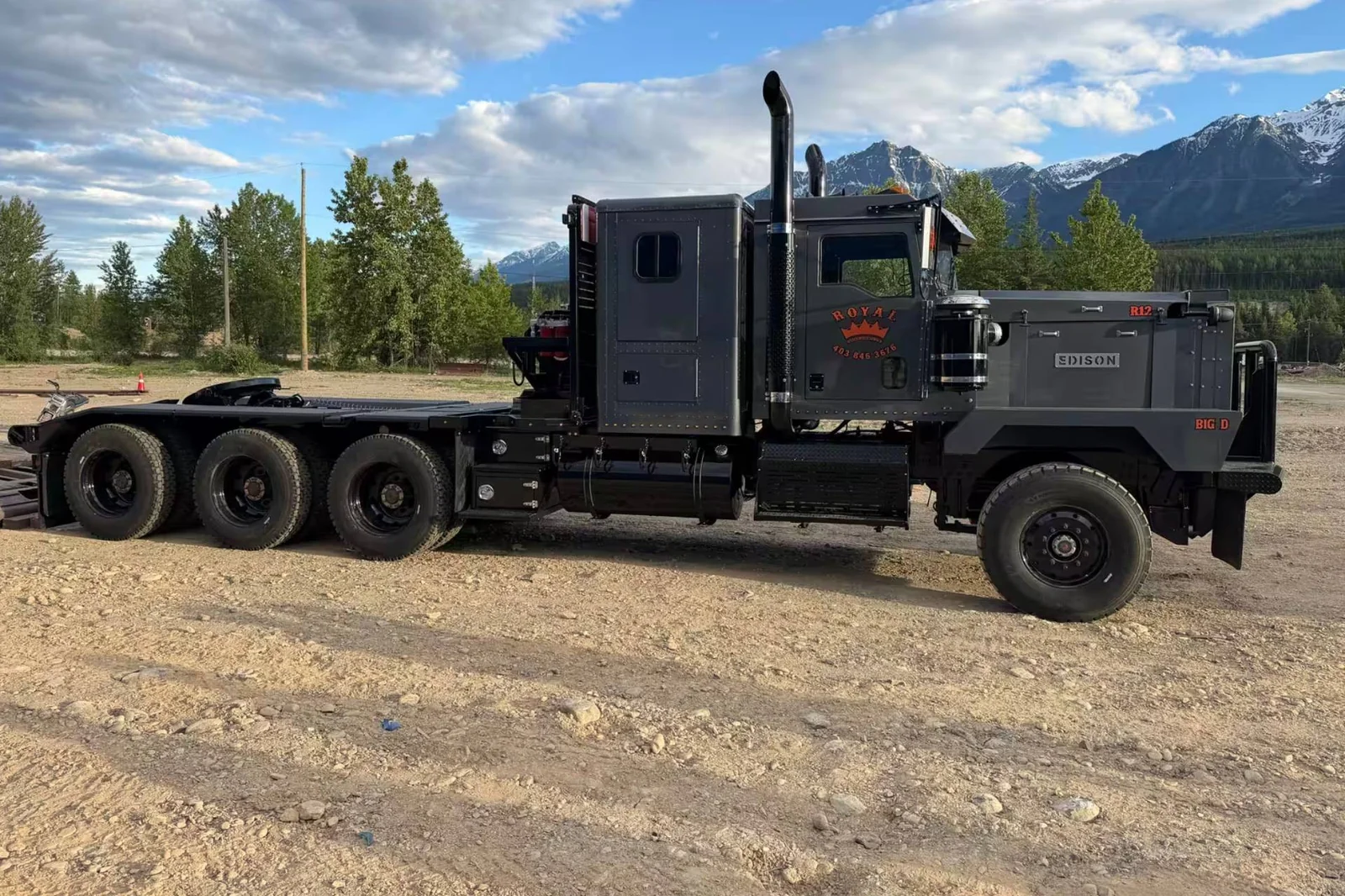
Edison Motors Reshapes Leadership as Co-Founder Departs, New B.C. Factory Opens
4 min read
B.C.-based hybrid truck startup Edison Motors has opened a new factory in Donald, B.C., while co-founder Eric Little exits the executive team and board slate. The company builds diesel-electric vocational trucks and conversion kits.
The Charge Brief
Get Canada’s EV transition in your inbox
One email a day. No spam, unsubscribe anytime.