
infrastructure
chargingHypercharge Trades Revenue for Margins: Inside Canada's Level 2 Charging Pivot
Vancouver's Hypercharge Networks reported Q1 FY2027 revenue down 58% to $1.42 million — but gross margin jumped to 44%, the Eddie acquisition pushed its network past 9,400 ports, and $1.74 million in Clean Fuel Regulations credits landed in the bank. Here is what the shift to Level 2 means for Canadian charging.
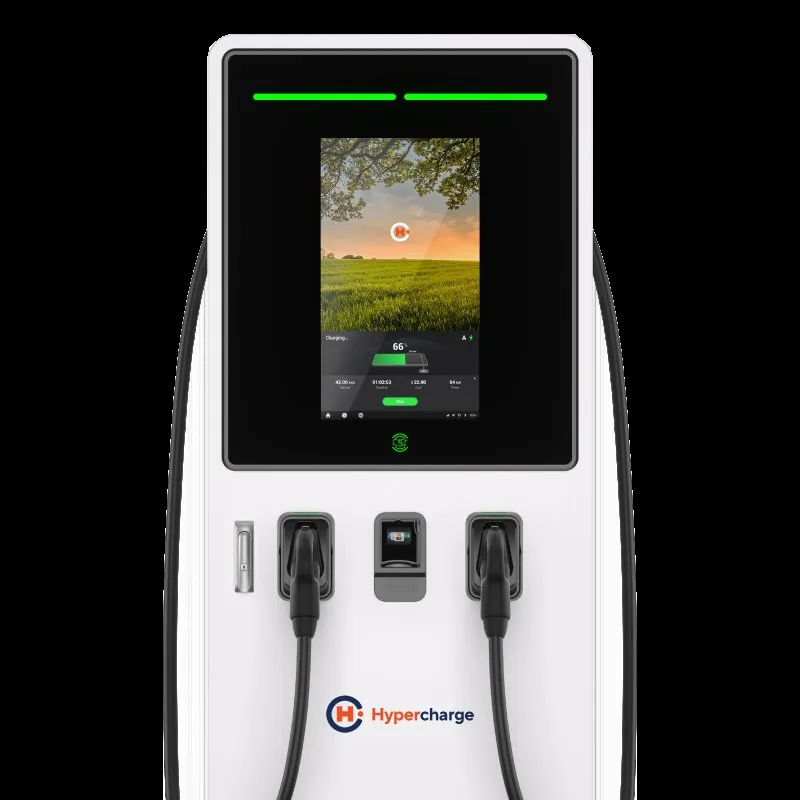
Hypercharge Networks Corp. (TSXV: HC), the Vancouver-based EV charging operator, is reporting a quarter that looks like a contradiction until you read the strategy: revenue down 58 per cent year-over-year, margins up 19 points, and a network that grew by roughly 40 per cent overnight. The company released its unaudited results for the three months ended June 30, 2026, on August 28, with all figures in Canadian dollars.
Total revenue for the quarter was $1.42 million, down from $3.4 million in the prior-year period — but the decline is deliberate. The company says the year-ago quarter carried a heavy concentration of large DC fast-charging equipment deliveries, which generated top-line revenue at lower gross margins and little recurring income. Hypercharge is now steering toward Level 2 deployments, which bring less upfront revenue per unit but higher margins and subscription income that compounds.
The numbers behind the pivot
- Gross margin: 44%, up 19 percentage points from 25% a year ago, on gross profit of $620,945.
- Subscription and service revenue: $520,074, up 68 per cent year-over-year, driven by SaaS subscriptions, higher charging utilization, and station activations.
- Sales backlog: $3.49 million, up about 68 per cent from $2.07 million at March 31, 2026.
- Comprehensive loss: $876,583 (about 1 cent per share), widened from $402,877, reflecting one-time Eddie acquisition costs and higher professional fees.
- 541 charging ports delivered during the quarter.
Eddie makes Hypercharge a national-scale operator
The quarter's biggest structural change was the acquisition of charge point operator Eddie from AXSO, effective May 1, 2026, which added more than 2,700 charging ports and strengthened the company's presence in Quebec. Hypercharge says its network footprint now exceeds 9,400 charging ports — more than 6,700 delivered by Hypercharge itself plus the Eddie portfolio — and its mobile app passed 55,000 registered users.
The Clean Fuel Regulations payday
The most Canadian line in the report: Hypercharge received $1.74 million in cash proceeds from selling compliance credits generated under Canada's Clean Fuel Regulations for eligible 2025 charging activity — up more than 600 per cent from $236,058 for the 2024 calendar year. Under the regulations, those proceeds must be reinvested in eligible EV infrastructure or programs that reduce the cost of EV ownership. Following quarter-end, the company launched Hypercharge Home Club, a residential charging rewards program aimed at extending that mechanism into the single-family home market.
That credit stream is becoming real infrastructure money for charging operators — and it is why charging economics in Canada increasingly depend on federal fuel regulations, not just electricity rates. For how those rates translate into what you pay per kilometre, see our province-by-province charging cost calculator and our comparison of Canada's EV charging networks in 2026.
Alongside the results, Hypercharge announced that Kyle Moncrief, CFA, was promoted to Chief Financial Officer effective August 27, 2026, succeeding Alex McAulay. CEO David Bibby said Moncrief most recently oversaw the acquisition and integration of Eddie.
Looking for EV deals, insurance, or financing? Check out our partner deals and offers.
If you found this guide helpful, use our Tesla referral link for free Supercharging credits on a new Tesla purchase or lease in Canada.
Next story · swipe left
Next story
BC Hydro Opens 350 kW EV Charging Hub in Hope
4 min read
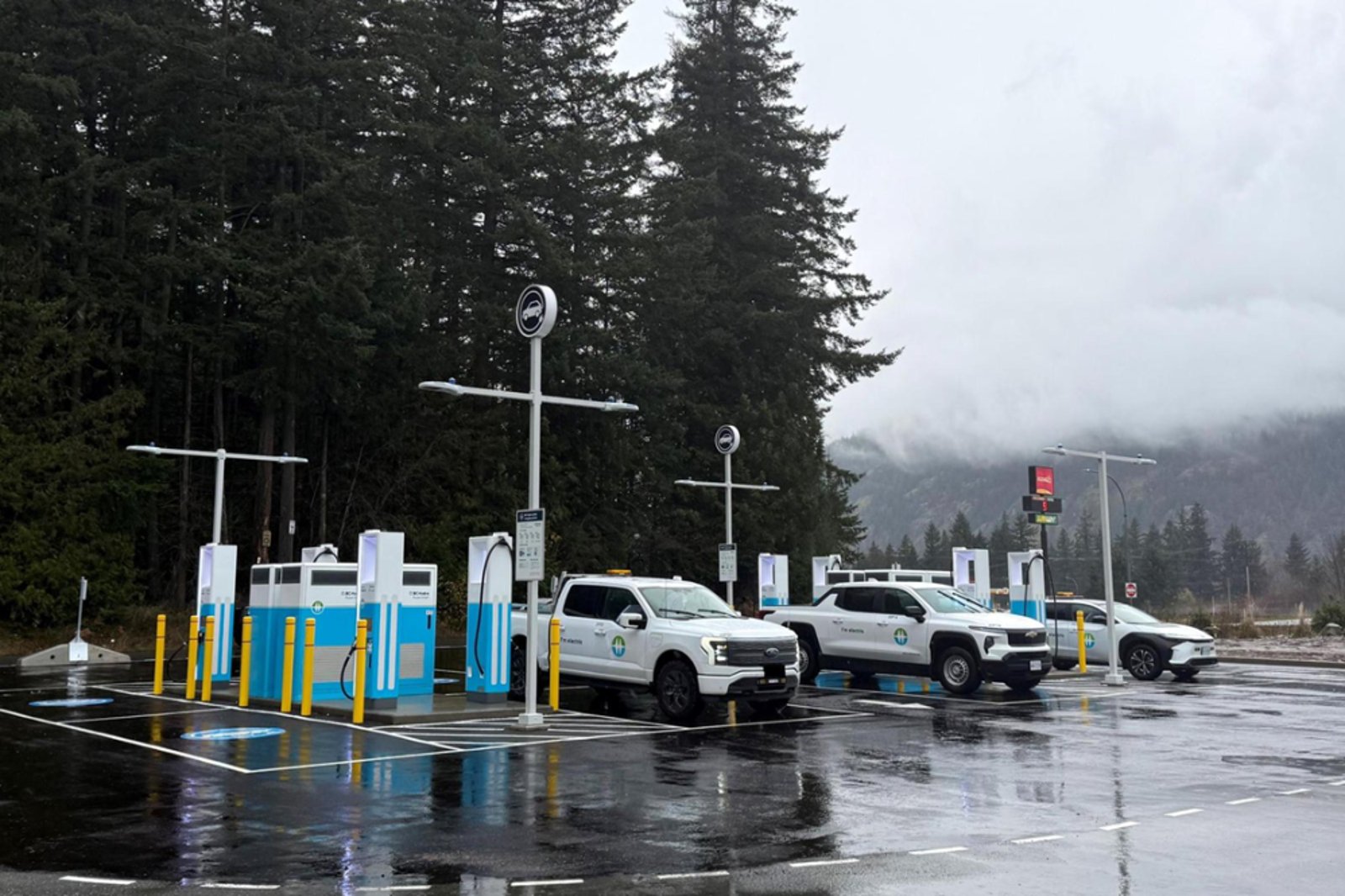
BC Hydro has switched on its first 350 kW ultra-fast charging hub in Hope, B.C., giving drivers on Highways 1, 3 and 5 access to the fastest public chargers in the province.
The Charge Brief
Get Canada’s EV transition in your inbox
One email a day. No spam, unsubscribe anytime.