
policy
chineseA Golf Trolley Company in Pickering Is Facing a $182,883 Bill From a Chinese EV Tariff
JPSM Golf, a Pickering, Ont. business that sells remote-controlled electric golf trolleys, was hit with a $182,883 tariff bill after CBSA reclassified its products under the now-repealed China Surtax Order. The owner says his business is in jeopardy.
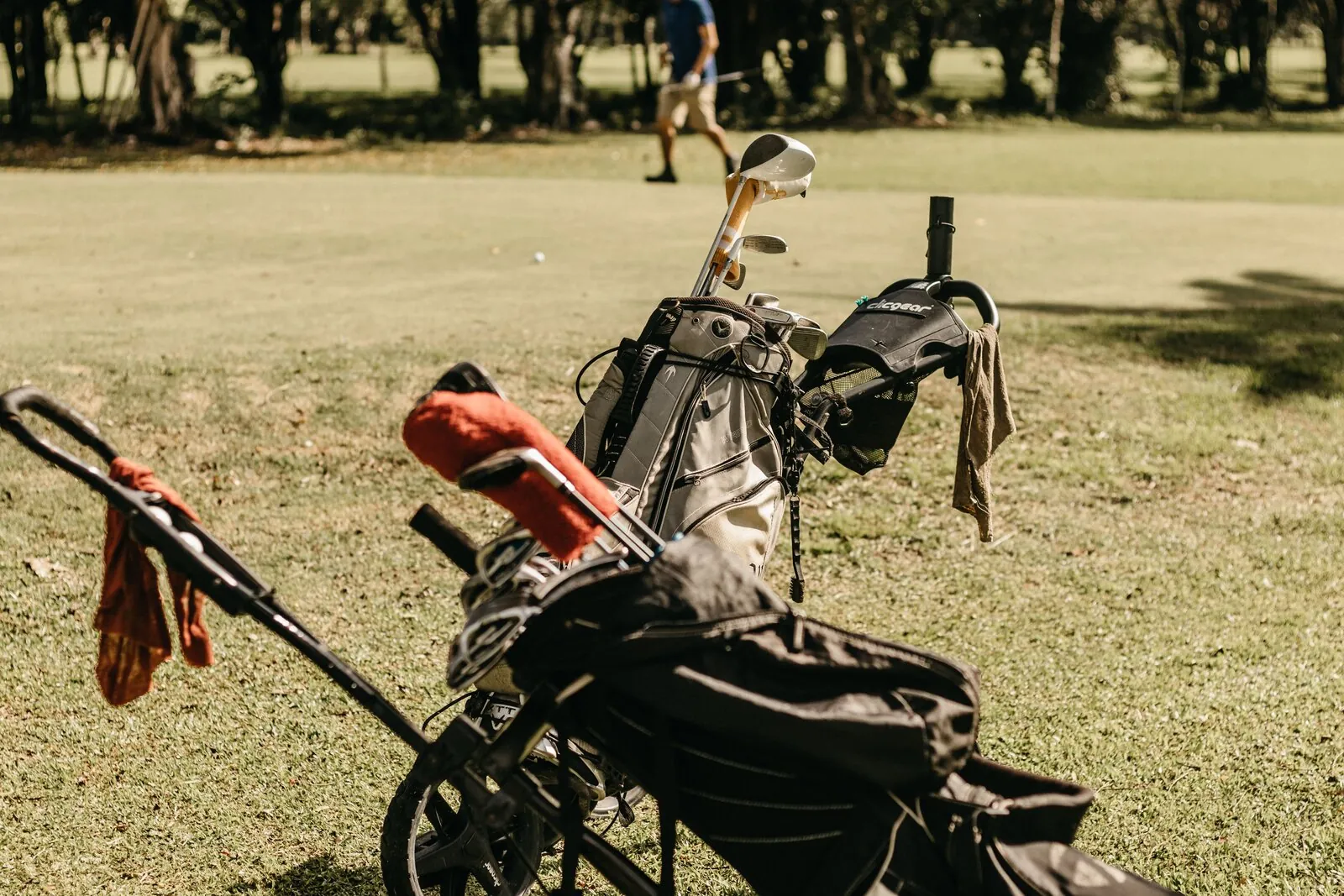
When the federal government rolled out its 100 percent surtax on Chinese-built electric vehicles in October 2024, the target was clear: protect Canada's auto industry from subsidized imports. But the tariff net has caught a far smaller operator — a Pickering, Ont. company that designs and sells remote-controlled electric golf trolleys.
JPSM Golf received a shipment of 330 electric trolleys from China in April 2025. At the time, the Canada Border Services Agency classified them under the standard 6.1 percent import tariff, and the company paid just over $19,000. That changed in May 2026, when owner Joseph McLuckie received a letter telling him the shipment had been reviewed and reclassified under the China Surtax Order — a move that added a 100 percent surtax on top of the existing duty.
The bill: $182,883.95
McLuckie now owes $182,883.95, including interest and GST. The reclassification placed his golf trolleys under "motor vehicles for the transport of goods — other with only electric motor for propulsion," the same bucket used for Chinese EVs, trucks, and buses. In a July 7 letter, a CBSA senior trade compliance officer wrote that the trolleys are "undoubtedly" motor vehicles because they use an electric motor to move and transport goods — and noted that even traditional, non-electric wheelbarrows are considered vehicles under the Canadian customs tariff.
"This has taken time off my life because of the stress and the sleepless nights … and just wondering what's going to happen next," McLuckie told CBC News. He says he does not know how he will keep his business afloat with the new cost and may need to consider job cuts for his six employees.
A now-defunct tariff that still bites
The Carney government repealed the China Surtax Order effective March 2026, but the Department of Finance confirmed it still applies to shipments during the period it was active. CBSA administers surtaxes based on the legal wording of each order, spokesperson Luke Reimer said in an email.
McLuckie is preparing to appeal the CBSA decision. His lawyer, Greg Kanargelidis, has also filed a remission request with the federal government, which provides full or partial relief from federal tax. The Department of Finance has received over 180 remission requests since the surtax took effect and has granted only five. Another 30 requests are being assessed, with a sixth remission expected this fall.
"Vehicles don't need to have a driver's position, seat or carry passengers to be classified a vehicle," the CBSA wrote in its July 7 response. The agency told CBC News it could not comment on specific cases.
What this means for Canadian small business
The JPSM Golf case is an early test of how broadly the China Surtax Order could reach beyond passenger vehicles. If golf trolleys — and by extension wheelbarrows and other light electric transport — are covered, then dozens of small Canadian importers could face retroactive bills for goods that were legally classified when they arrived. The remission process exists, but with a five-in-180 approval rate, it is hardly a safety net.
For now, the practical lesson is that any Canadian business importing battery-powered transport goods from China should review its 2024–2025 shipments with a customs broker. The surtax is repealed, but the debt it left behind is still collecting interest.
Looking for EV deals, insurance, or financing? Check out our partner deals and offers.
If you found this guide helpful, use our Tesla referral link for free Supercharging credits on a new Tesla purchase or lease in Canada.
Next story · swipe left
Next story
J.D. Power: 34% of Canadians Now Considering an EV — First Year-Over-Year Increase Since 2022
4 min read
The 2026 Canada Electric Vehicle Consideration Study shows EV consideration rising to 34% from 28% last year, driven by rising fuel costs and the new EVAP rebate program. But Quebec lags at 16th place for Tesla Model Y claims.
The Charge Brief
Get Canada’s EV transition in your inbox
One email a day. No spam, unsubscribe anytime.