EV Charging Costs in Canada 2026: Per-kWh Rates by Province
How much EV charging actually costs across Canada in 2026 — per-kWh rates at public networks, how provinces differ, and what free public charging still exists.
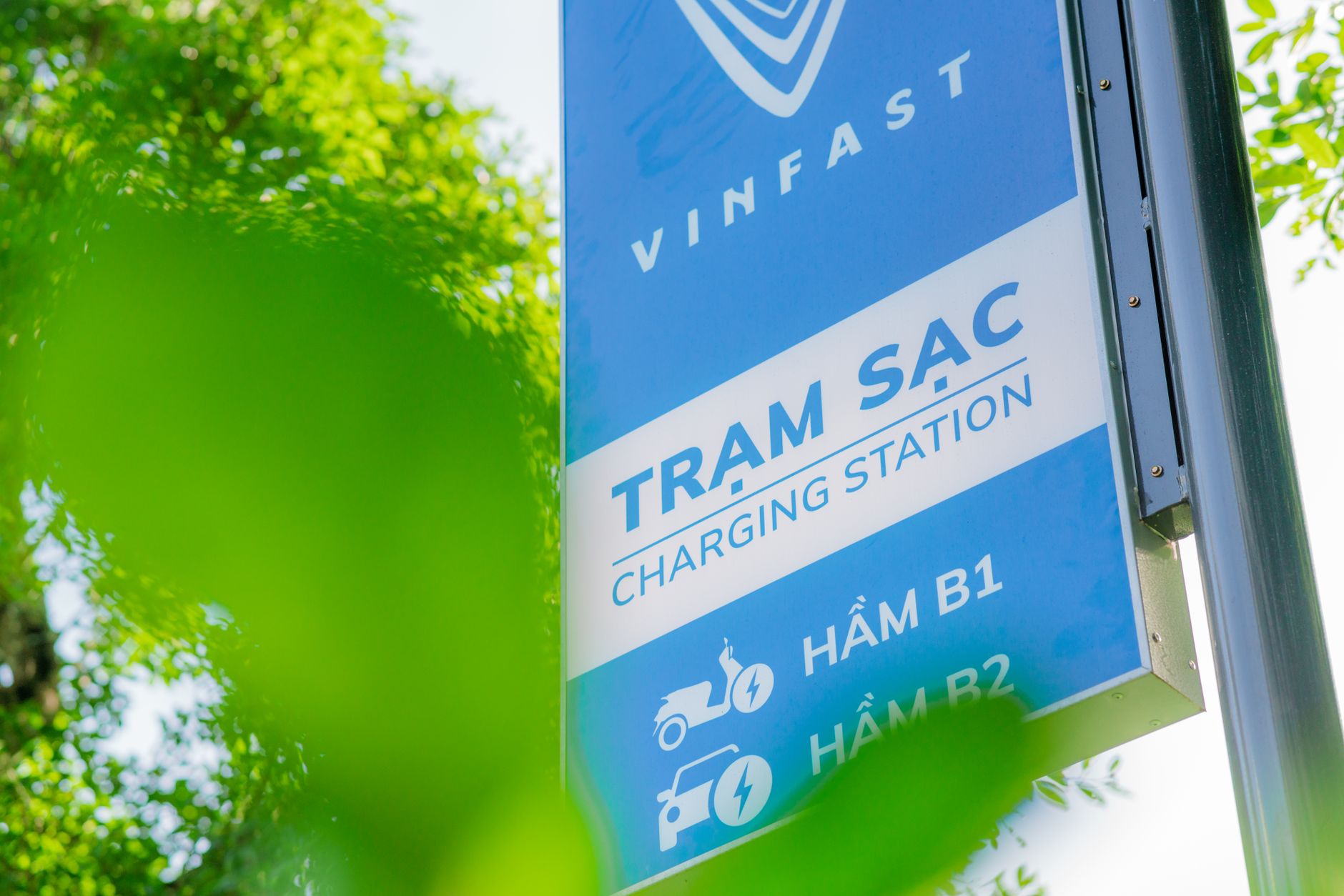
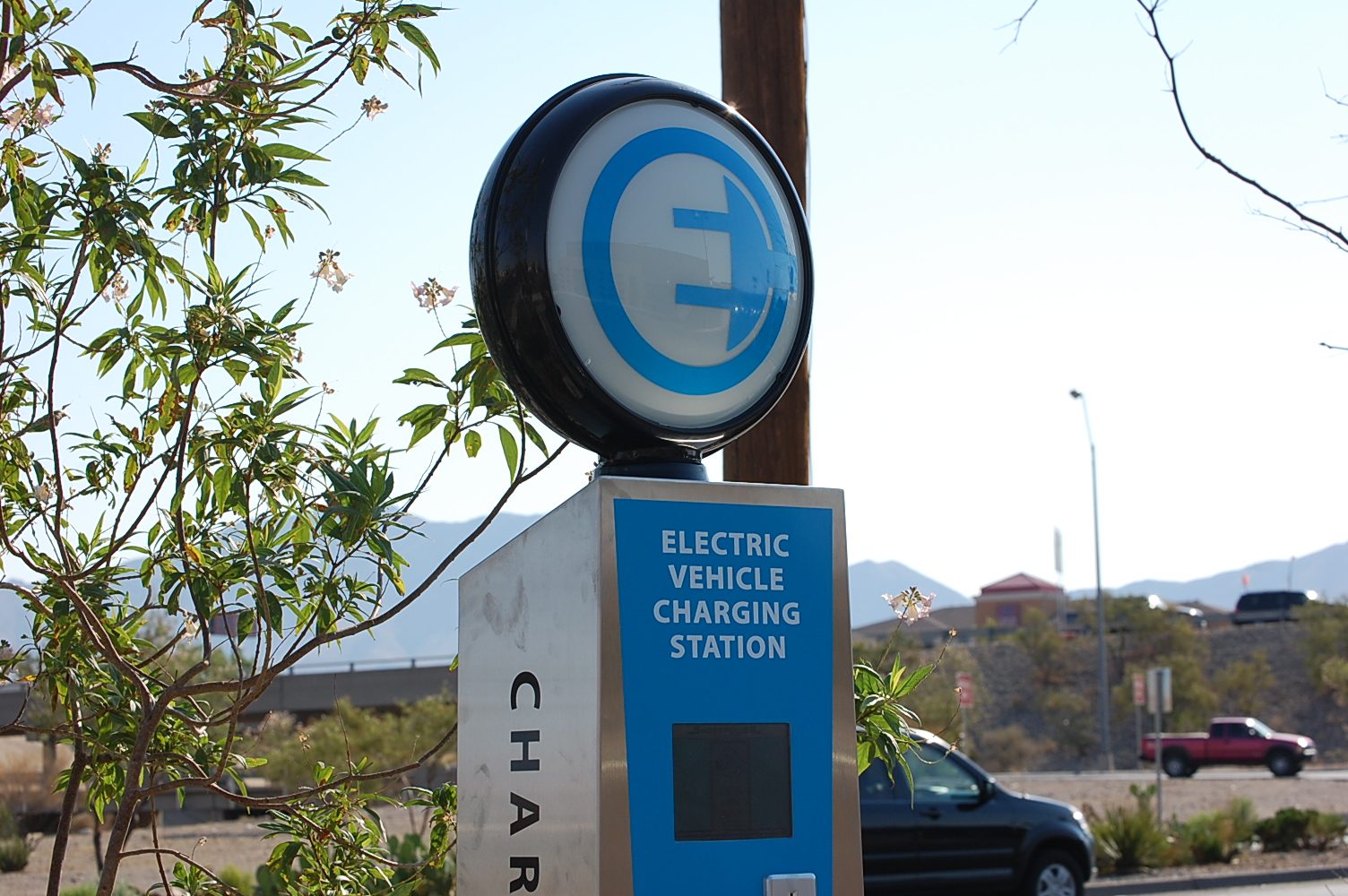
Public EV charging costs in Canada vary as much as the weather, and buyers who assume one national price will be surprised. In 2026, most provinces charge between $0.15 and $0.35 per kWh at Level 2, and $0.30 to $0.50 at DC fast chargers, but the network you choose and the province you’re in can change that bill significantly.
How Public Charging Is Priced
EV networks in Canada use three pricing models: per-minute, per-kWh, or a combination with session fees. Per-minute pricing punishes vehicles with slower onboard chargers because you pay for time, not energy delivered. Per-kWh pricing is fairer for drivers with lower charging rates, but it is not universal. Session fees add a flat charge per visit, which discourages short top-ups and rewards longer stays.
Province-by-Province Averages
British Columbia and Quebec tend to have the lowest public charging costs, partly because of provincial utility ownership and smaller geographic spreads. Ontario sits in the middle, with competitive rates in urban cores and premium pricing on highway corridors. Alberta and the Prairie provinces have fewer stations and higher per-kWh rates, though some networks offer flat monthly subscriptions that reduce the effective cost for regular users.
Membership and Subscription Discounts
Most Canadian networks — including the major players along highways — offer membership tiers that cut per-kWh or per-minute costs by twenty to forty percent. A subscription only makes sense if you charge with that network often enough to offset the monthly fee. For drivers who mix Level 2 at work or home with occasional highway fast charging, pay-as-you-go is usually cheaper than maintaining multiple memberships.
Free Public Charging Still Exists
Municipalities, shopping centres, and some hotels still offer free Level 2 charging, especially in smaller cities. These chargers are reliable for top-ups but rarely useful for long trips because of their power limits. The real value of free public charging is reducing household electricity costs: if you can charge at home overnight and only use public stations for top-ups, your annual fuel savings remain large even if some highway fast charging is expensive.
What to Watch in 2026
New DC fast-charging corridors are opening across the 401, the Trans-Canada, and in Quebec along the 20 and 40. As competition increases, per-kWh pricing on major routes should tighten, but session fees and idle fees are also becoming standard. Drivers should compare the total cost per session — energy, time, and idle fees — rather than focusing on headline rates alone.
Looking for EV deals, insurance, or financing? Check out our partner deals and offers.
If you found this guide helpful, use our Tesla referral link for free Supercharging credits on a new Tesla purchase or lease in Canada.
Next story · swipe left
Next story
Canadian EV Market Share 2026: Who Is Winning
6 min read
Canada’s EV market share continued climbing in 2026. Here is which brands and models gained ground, which fell behind, and what the sales data means for buyers.
The Charge Brief
Get Canada’s EV transition in your inbox
One email a day. No spam, unsubscribe anytime.