infrastructure
chargingEV Charging Speed Explained: kW, Amps, and What Actually Matters
EV charging speed depends on more than just the charger’s kW rating. Here is what onboard chargers, battery chemistry, temperature, and station capacity mean for Canadian drivers.
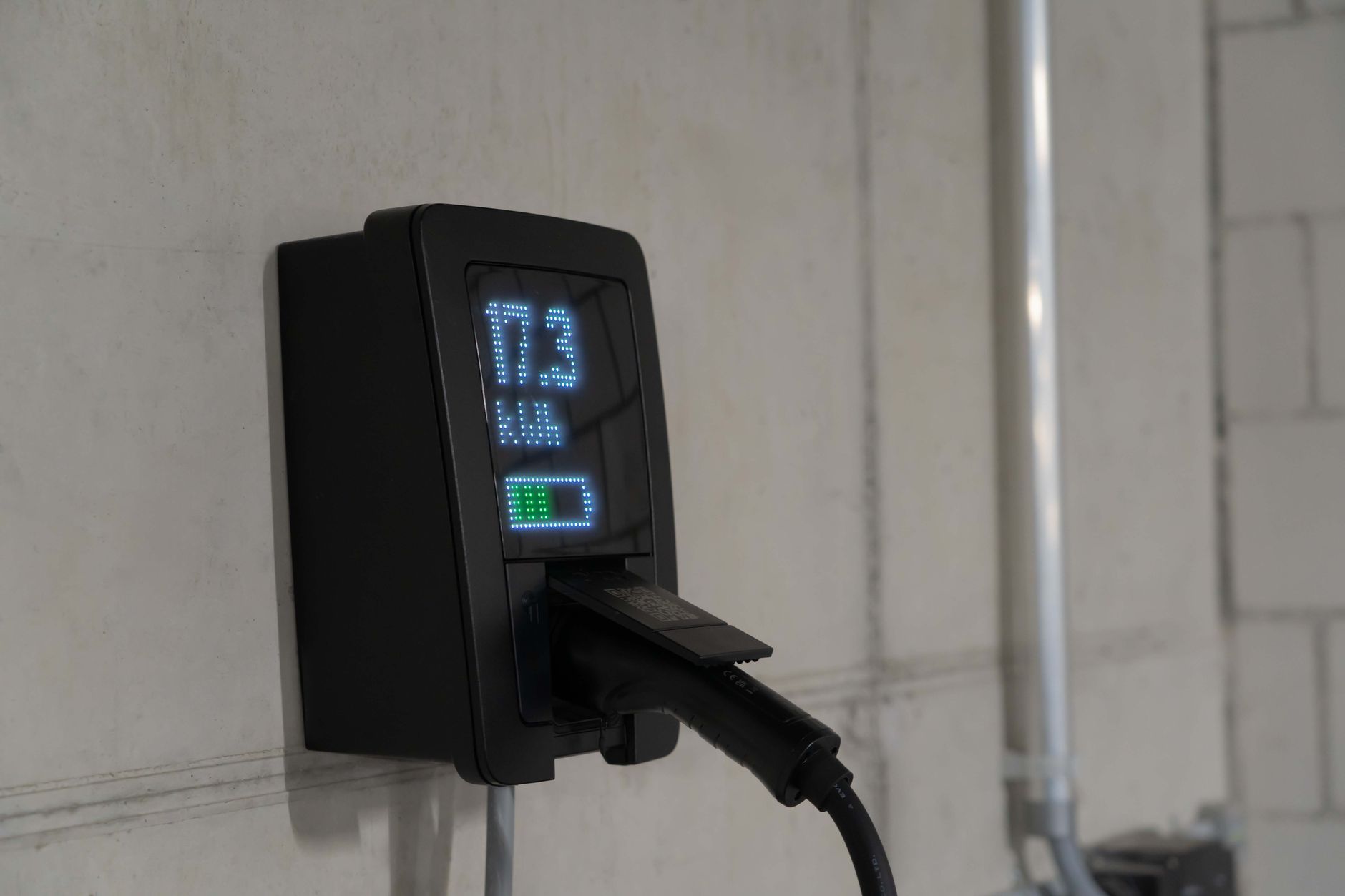
Charging speed is one of the most misunderstood topics in EV ownership. A station rated at 250 kW does not automatically deliver 250 kW to every car, because the vehicle’s onboard charger, battery state of charge, and temperature all limit the actual rate. Canadian buyers should understand these variables before choosing a vehicle, because winter conditions can turn a 20-minute fast charge into a 45-minute session on a cold day.
Onboard Charger Limits
Every EV has an onboard charger that manages AC charging at home and work. Onboard limits are measured in kilowatts and vary from 7 kW on basic models to 22 kW on premium vehicles. Higher onboard rates matter most for Level 2 charging, where a 22-kW onboard system can fully charge a large battery in under four hours instead of seven or eight. DC fast charging bypasses the onboard AC charger and communicates directly with the battery management system, which is why DC rates are much higher.
DC Fast-Charging Curves
EV batteries do not charge at a constant rate from empty to full. The fastest charging happens between ten and eighty percent state of charge, which is why most guides focus on ten-to-eighty times. Above eighty percent, charging speed drops sharply because the battery management system limits voltage to protect cell health. Below ten percent, charging is also slower. Drivers who charge from ten to eighty percent get the best experience; those who need a full charge from near-empty should expect significantly longer sessions.
Temperature Effects
Cold batteries charge more slowly than warm ones. In Canadian winters, a battery that has been sitting at -20°C may start a charging session at reduced speed until it warms up. Most modern EVs pre-condition the battery when navigation to a charger is active, which raises the pack temperature and restores faster charging. Preconditioning requires driver input or smart routing, so buyers should learn how it works on their vehicle before winter arrives.
Station Capacity and Sharing
Even if your EV can accept 250 kW, you may not get it if another car is sharing the same charger or if the station’s power delivery is capped. Some DC chargers deliver full speed to one vehicle but halve it when a second vehicle plugs in. Network operators are upgrading power modules to reduce sharing penalties, but buyers should expect real-world speeds to be slightly lower than peak ratings on busy chargers.
Looking for EV deals, insurance, or financing? Check out our partner deals and offers.
If you found this guide helpful, use our Tesla referral link for free Supercharging credits on a new Tesla purchase or lease in Canada.

Next story · swipe left
Next story
Ottawa's Own Math Says Repealing the EV Mandate Costs Canadians $90.3 Billion
5 min read
The Canada Gazette notice repealing the EV Availability Standard admits drivers pay $53.8B more in fuel and climate damages rise $94.2B — against $57.6B in EV purchase savings. Here's what the federal numbers actually say.
The Charge Brief
Get Canada’s EV transition in your inbox
One email a day. No spam, unsubscribe anytime.