Electric Truck Charging in Canada 2026: What Fleet Drivers Need
Electric truck charging in Canada is different from car charging — higher power demand, longer dwell times, and fleet-specific infrastructure that fleets need to plan for in 2026.
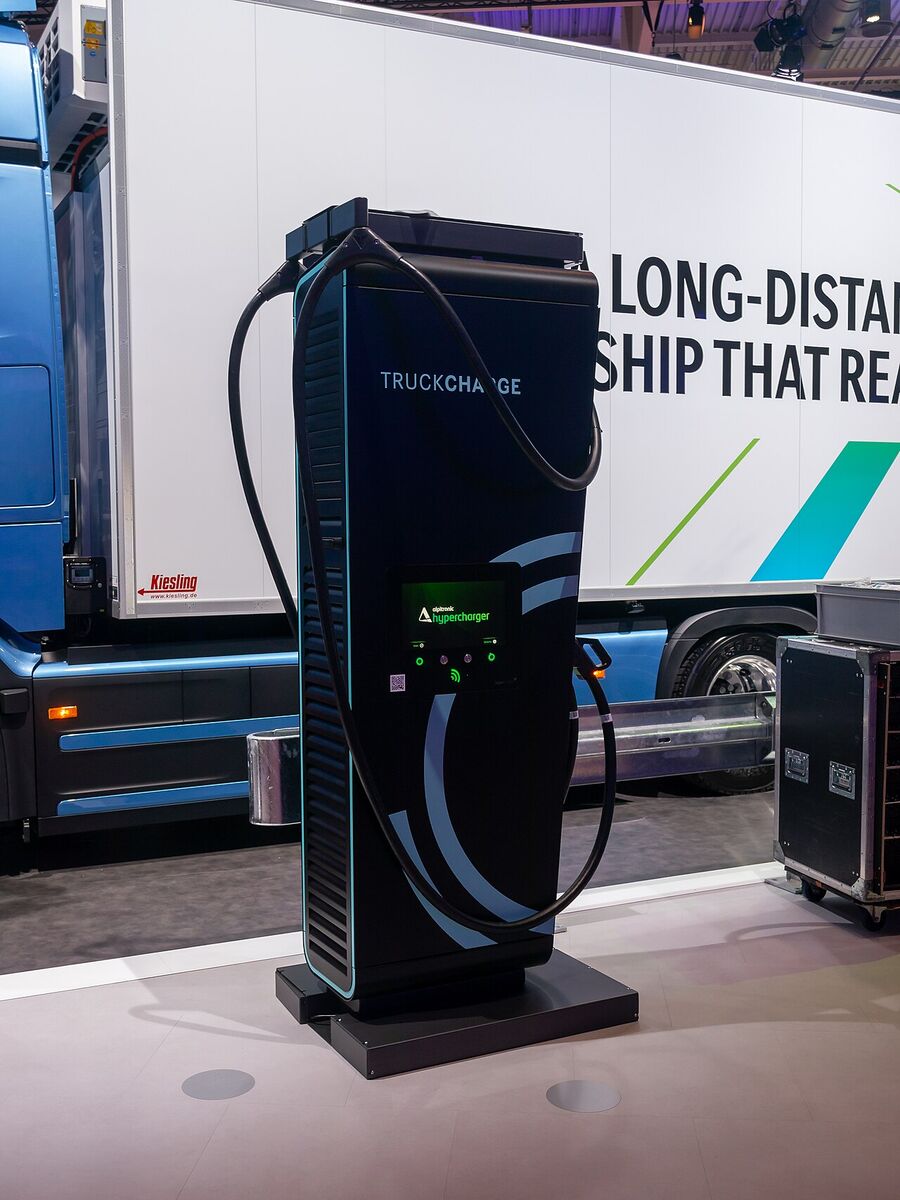
Electric trucks draw more power, carry larger batteries, and operate on tighter schedules than passenger EVs, which means fleet charging infrastructure in Canada needs different planning assumptions. A fleet of electric work trucks cannot rely on the same public charging assumptions as a commuter car, because downtime costs money and high-power chargers require site-specific electrical upgrades. In 2026, successful fleet electrification depends on depot charging design, route modelling, and driver behaviour that treats charging as part of the shift.
Depot vs Public Charging
Fleet operators should treat depot charging as the primary fuelling strategy and public charging as an exception. Overnight depot charging allows trucks to start each shift with full range and keeps vehicles available during business hours. High-power depot chargers — often 150 kW or higher — can deliver enough energy for a day’s local work in a few hours, but installation requires three-phase electrical service, load management, and sometimes transformer upgrades. Public fast charging along highways is useful for long-haul routes, but dwell times of 20 to 40 minutes reduce revenue hours.
Power Demand and Electrical Capacity
A fleet of ten electric trucks can require as much electrical capacity as a small commercial building, which means fleet managers must coordinate with utilities early in the planning process. Time-of-use rates, demand charges, and load caps all affect the economics of depot charging. Some Canadian utilities offer fleet-specific rate schedules and demand-response incentives that reduce operating costs, but applications and installations take months to complete.
Route and Range Planning
Electric truck range varies more than passenger EV range because payload, elevation, and temperature affect consumption heavily. Fleet managers should model worst-case winter range rather than optimistic combined figures when planning charging schedules. Drivers need clear protocols for plugging in at every depot return, because a missed overnight charge shifts the burden to public stations and creates cascading delays. Telematics systems that track state of charge and predict charging needs help dispatchers avoid preventable downtime.
Total Cost of Ownership
Electric trucks have higher upfront costs than diesel equivalents, but operating cost advantages accumulate quickly for fleets that can charge at home base. Electricity per kilometre is cheaper than diesel, maintenance intervals are longer, and fewer moving parts reduce unscheduled repairs. Fleet buyers should model total cost of ownership over five to seven years rather than comparing purchase prices alone, because the fuel and maintenance savings often justify the capital premium.
Looking for EV deals, insurance, or financing? Check out our partner deals and offers.
If you found this guide helpful, use our Tesla referral link for free Supercharging credits on a new Tesla purchase or lease in Canada.

Next story · swipe left
Next story
Electric School Buses in Canada 2026: Progress and Challenges
5 min read
Electric school bus adoption in Canada in 2026 — fleet programs, funding, cold-weather performance, and what parents and school boards should know.
The Charge Brief
Get Canada’s EV transition in your inbox
One email a day. No spam, unsubscribe anytime.