BYD's Blade Battery Charges 20-to-97% in 12 Minutes After 24 Hours at -30°C
BYD cold-soaked a Denza Z9GT at -30°C for 24 hours, then flash-charged its second-generation Blade Battery from 20% to 97% in 12 minutes on a 1,500 kW charger. The test matters for Canada, where winter charging speed is the biggest EV pain point — and BYD is hiring in Canada to bring Flash charging here.
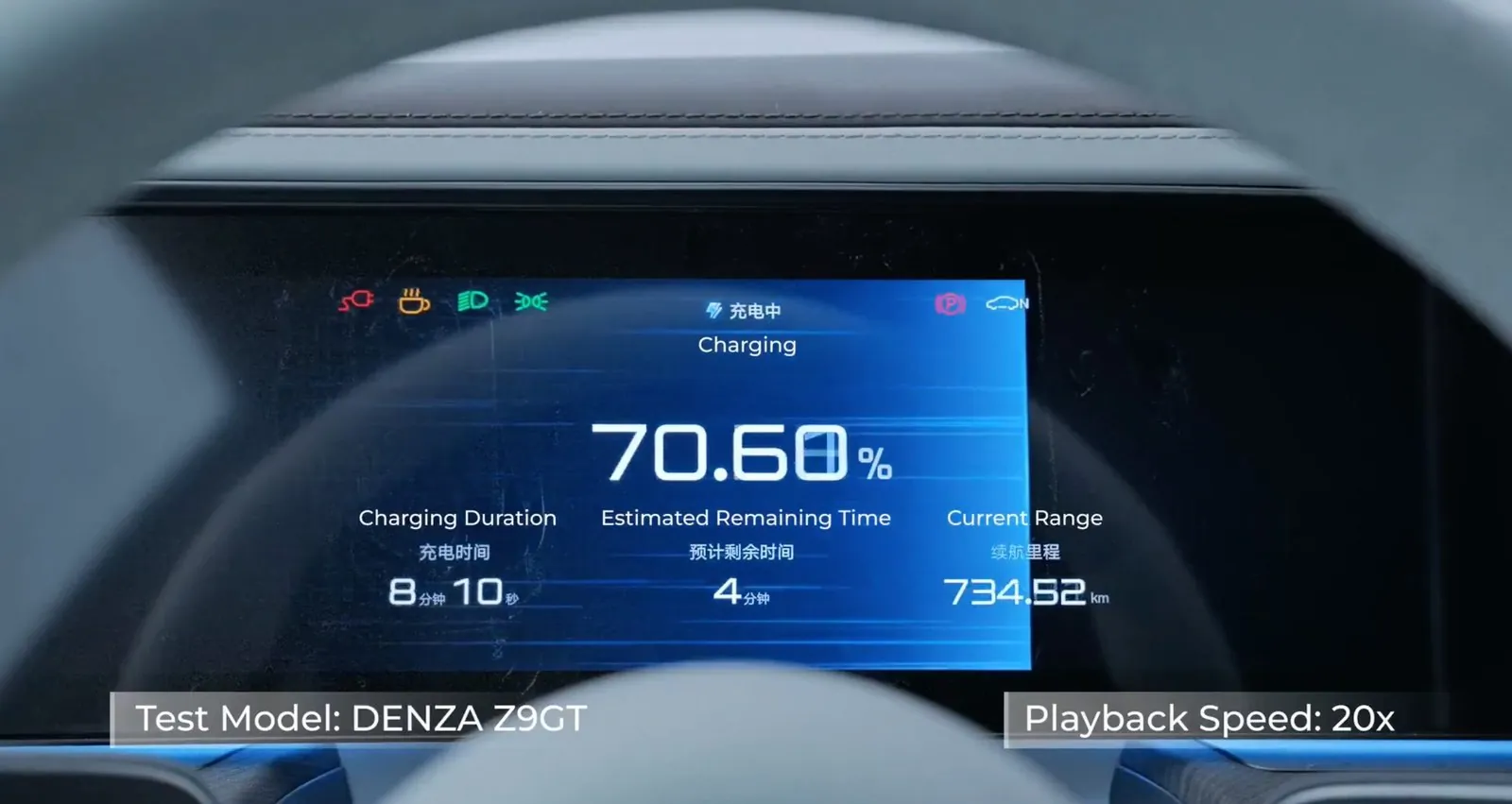
BYD has released the cold-weather proof point Canadian EV drivers have been asking for: the automaker cold-soaked a Denza Z9GT at -30°C for 24 hours, then plugged it into one of its new 1,500 kW Flash chargers at 20% state of charge — and reached 97% in 12 minutes, as reported by Drive Tesla Canada.
Extreme cold is where lithium-ion charging usually falls apart. Batteries must heat before they can accept high power, which is why a January fast-charging stop in Saskatchewan or Quebec can stretch far longer than the sticker time. BYD says the deep-freeze start added only minutes: under ideal conditions the second-generation Blade Battery charges 10-to-70% in about five minutes and hits 97% in under 10.
What the -30°C test actually showed
- 20% to 97% in under 12 minutes after 24 hours at -30°C (-22°F), on a 1,500 kW Flash charger.
- Ideal-condition benchmark: 10-to-70% in roughly five minutes, 97% in under 10 minutes.
- The vehicle: a Denza Z9GT, BYD's premium electric wagon — not confirmed for Canada.
- The battery: the second-generation Blade Battery, the cell that anchors BYD's megawatt-charging pitch.
Why this matters in Canada
Winter charging speed is the single most common objection to EV ownership in this country. Range loss and slow DC fast charging in deep cold are why the federal government's winter range standard and every cold-weather buying guide lean so heavily on sub-zero performance. A battery chemistry that holds near-rated charge rates at -30°C — a temperature Prairie winters deliver routinely — would erase the biggest seasonal penalty Canadian EV drivers face.
The company's Canadian footprint is growing in parallel. BYD launched a Canadian website listing headquarters in Markham, Ontario; its vehicles have entered Canada under the quota import system negotiated earlier this year; and Canadian job postings revealed the company is hiring to eventually bring Flash charging technology to this market. In China, BYD has already installed more than 10,000 Flash charging stations in six months and plans to double that by year-end.
The catch for Canadian buyers
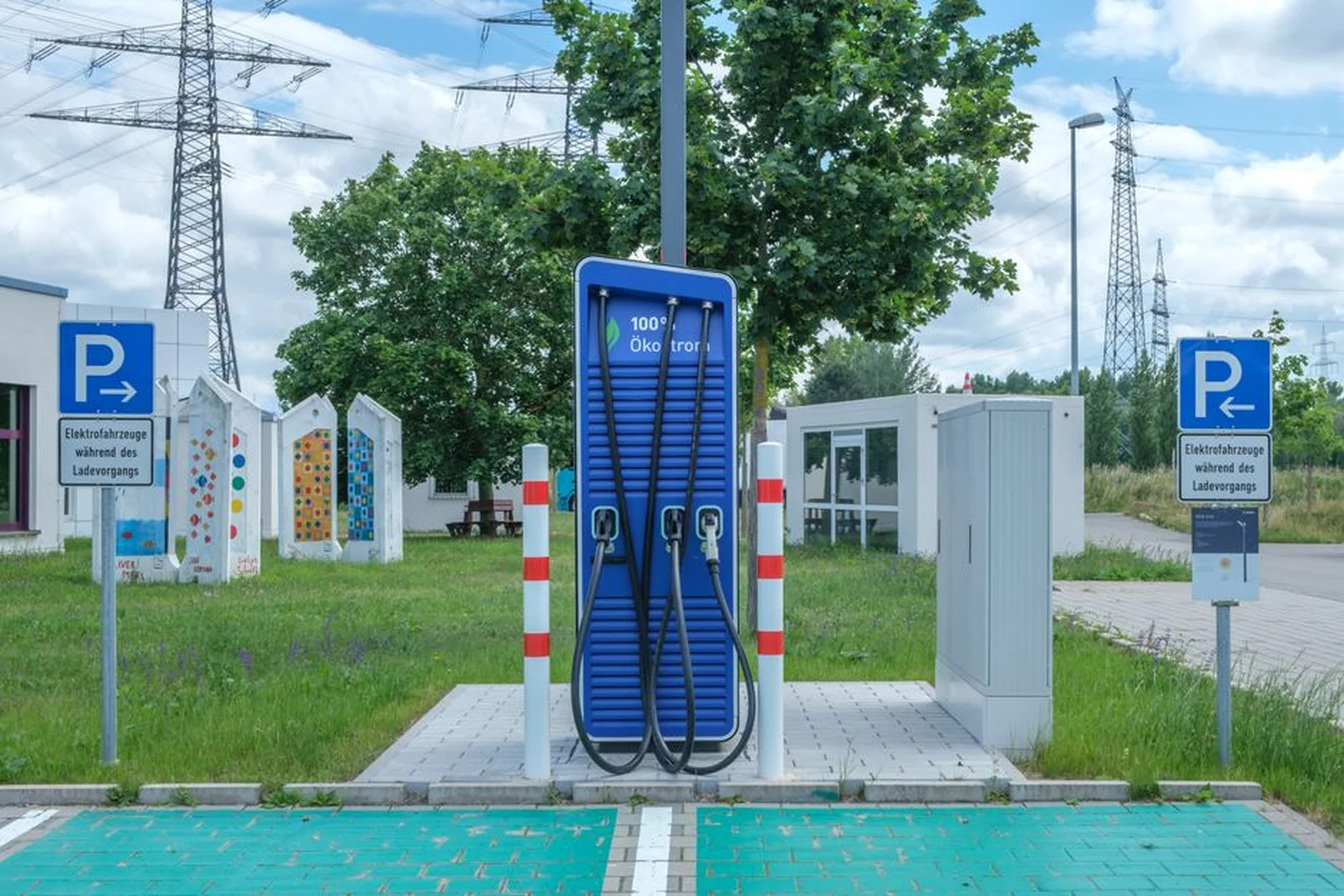
Two caveats sit between this demo and a Winnipeg winter. First, the Z9GT is not confirmed for Canada, so the tested hardware isn't on a Canadian spec sheet yet. Second, a 1,500 kW charger does not exist in Canada today — the fastest public stations in the country top out far below that, so real-world Canadian charging would run at the local ceiling, not the battery's. What the test establishes is that the cell itself no longer needs to be the bottleneck in deep cold; the infrastructure now is.
For Canadians weighing an EV purchase, the takeaway is direction, not availability: battery makers are now competing explicitly on cold-weather charging, and the brand preparing to enter this market is the one making the loudest -30°C claim.
Looking for EV deals, insurance, or financing? Check out our partner deals and offers.
If you found this guide helpful, use our Tesla referral link for free Supercharging credits on a new Tesla purchase or lease in Canada.
Next story · swipe left
Next story
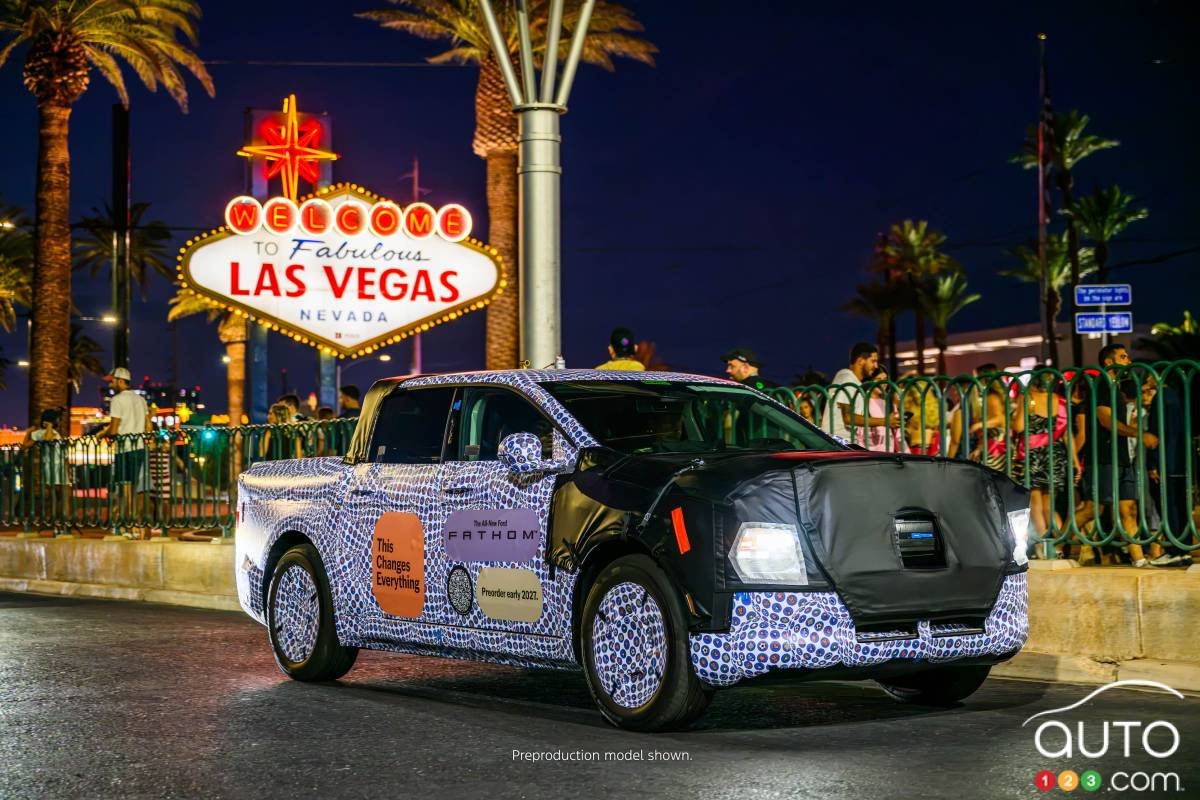
Ford Reveals the Fathom Name in Las Vegas — Canada's Entry EV Truck Starts at $38,690 With Incentive
4 min read
Ford CEO Jim Farley unveiled the Fathom name on camouflaged midsize electric truck prototypes in Las Vegas after desert hot-weather testing. Canadian pricing is set at $38,690 with the federal EVAP incentive applied ($39,995 base MSRP), with pre-orders in early 2027 and production at Louisville Assembly Plant.
The Charge Brief
Get Canada’s EV transition in your inbox
One email a day. No spam, unsubscribe anytime.