infrastructure
Best Home EV Charger Canada 2026: Level 2 Buying Guide
Which Level 2 home EV charger is best for Canadian homes in 2026 — hardwired vs plug-in, 40A vs 48A, cold-weather performance, and installation costs.
A Level 2 home charger is the single biggest quality-of-life upgrade for Canadian EV owners. Overnight charging means waking to a full battery every morning, which eliminates public charging dependence for daily driving and reduces cold-weather range anxiety. In 2026, home charger selection is broader than ever, but not every unit suits every home, and installation costs vary enough to make comparison shopping essential.
Hardwired vs Plug-In
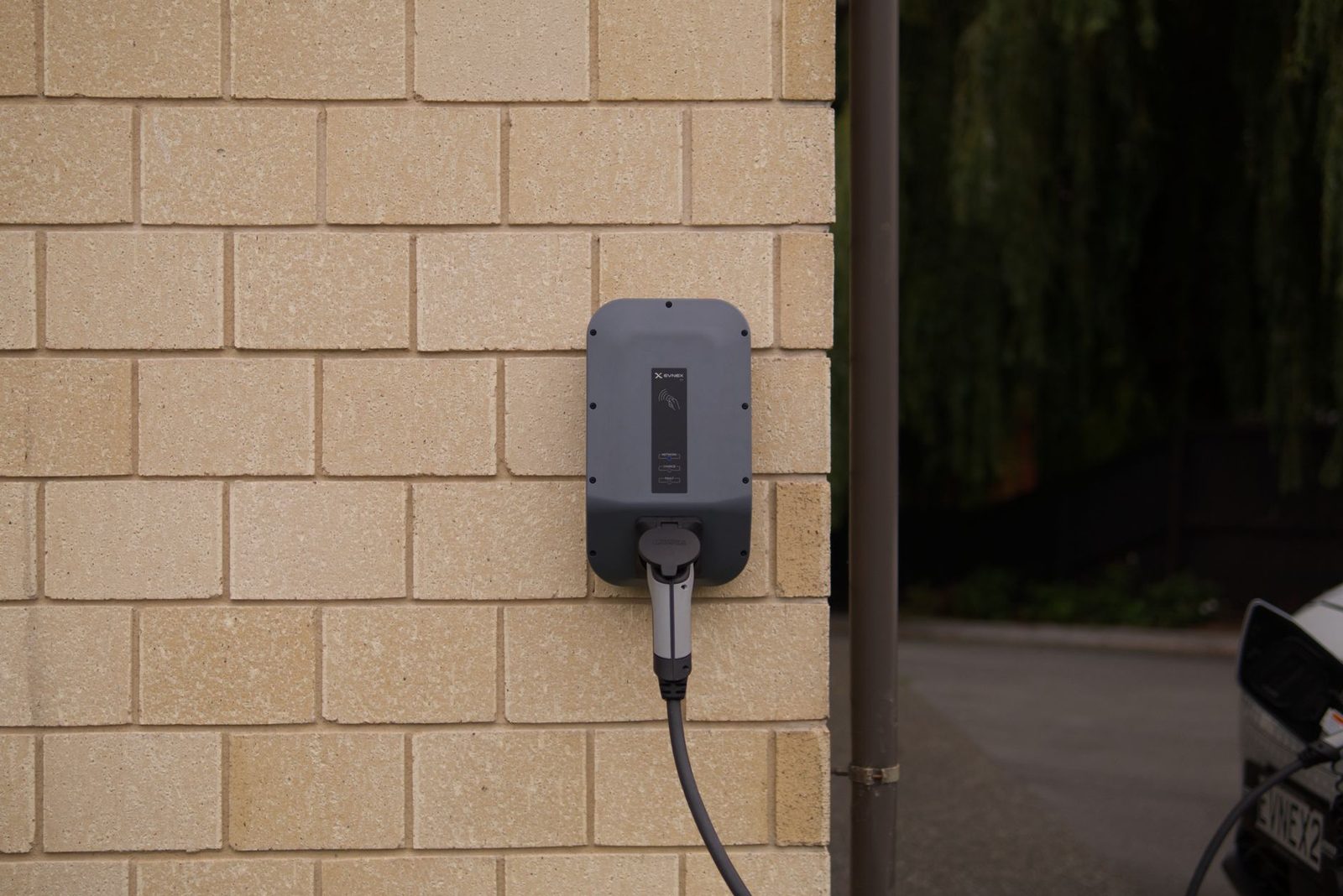
Hardwired chargers connect directly to your home electrical panel without a plug, which reduces exposure to moisture and allows higher amperage ratings in some jurisdictions. Plug-in units use a NEMA 14-50 or similar outlet and are easier to relocate if your parking situation changes. In Canadian winters, plug-in outlets can corrode or ice over, which makes hardwired installation more reliable in exposed garages or carports. Check local electrical codes before choosing; some municipalities restrict plug-in EVSEs in detached structures.
Amperage and Charging Speed
Most Canadian EV owners choose between 40-amp and 48-amp Level 2 chargers. A 40-amp unit delivers about 32 amps to the vehicle, which adds roughly 30 to 35 km of range per hour on most EVs. A 48-amp unit delivers closer to 40 amps, adding 40 to 45 km per hour on vehicles that can accept it. The difference matters most for drivers with large batteries who want a full charge overnight. Buyers should confirm their vehicle’s onboard AC charger limit before purchasing a high-amperage EVSE.
Cold-Weather Considerations
Home chargers in Canada face temperature swings that can affect both electronics and cabling. Look for units rated for outdoor or garage installation with appropriate ingress protection — IP55 or better for exposed locations. Cable management matters in winter because stiff cables are harder to handle with gloves. Some premium chargers include heated cable options or weatherproof connectors that reduce ice buildup.
Installation Costs
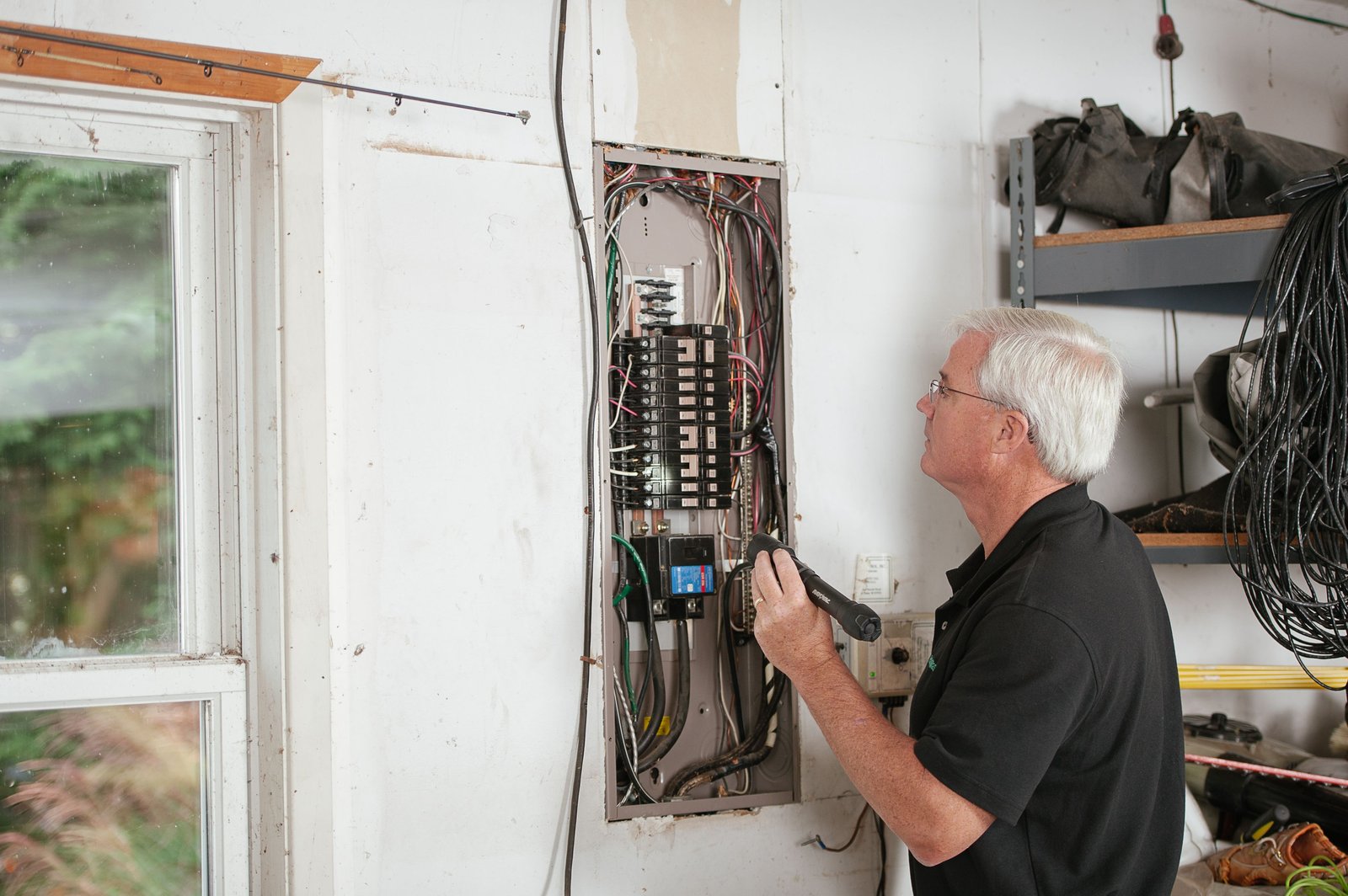
Installation costs in Canada typically range from $800 to $2,500 depending on distance from the electrical panel, wiring requirements, and local electrician rates. A simple replacement of an existing outlet is cheaper than a new hardwired run. Buyers should get multiple quotes and confirm whether the installer is EVSE-certified, because improper installation can void both the charger warranty and your home insurance.
Looking for EV deals, insurance, or financing? Check out our partner deals and offers.
If you found this guide helpful, use our Tesla referral link for free Supercharging credits on a new Tesla purchase or lease in Canada.
Next story · swipe left
Next story
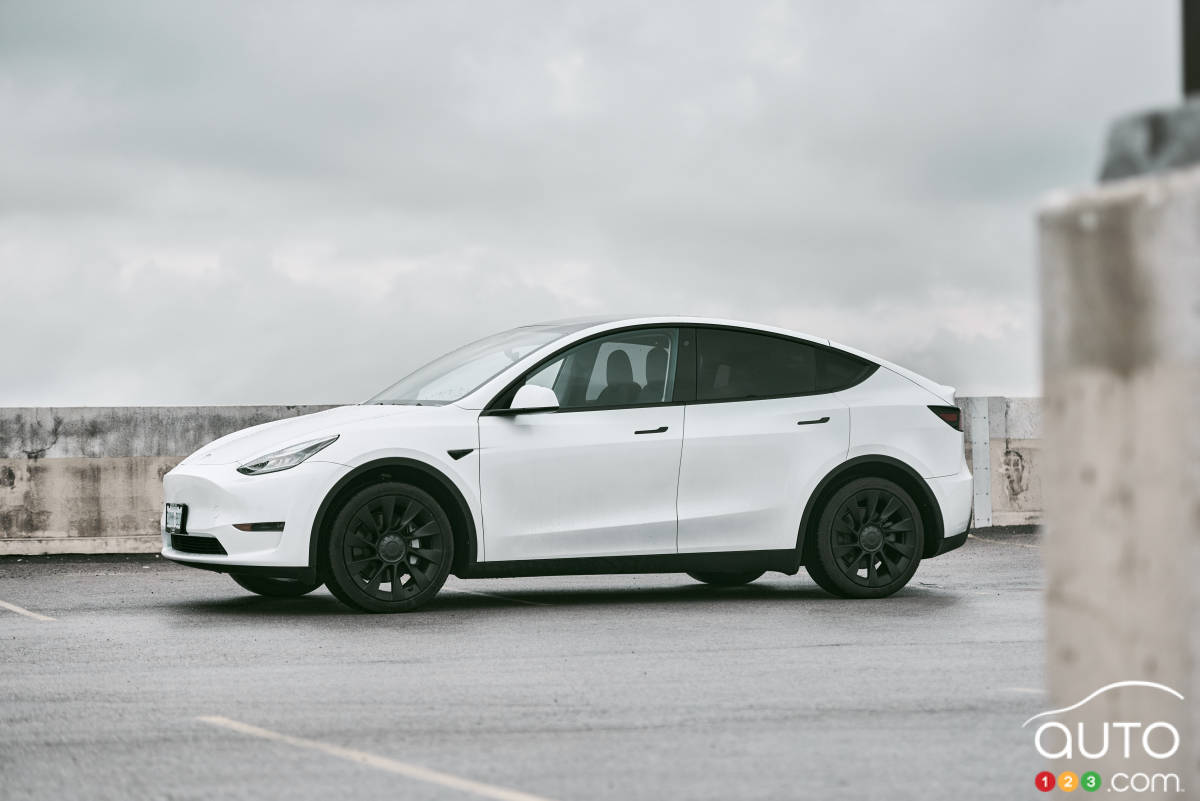
Tesla Model Y vs the New 2027 Competition in Canada: Price, Range, Charging Compared
5 min read
The Model Y is still Canada's best-selling EV — but August 2026 pricing from Nissan, Toyota, and Mercedes gives buyers real alternatives. A trim-by-trim comparison of price after rebate, range, and charging access.
The Charge Brief
Get Canada’s EV transition in your inbox
One email a day. No spam, unsubscribe anytime.