
policy
Trump Doubles Auto Tariffs to 50% on Canadian Vehicles — Canada Retaliates but Spares Autos
The U.S. will double tariffs on Canadian-built cars and parts to 50% starting January 1, 2027. Canada answered with retaliatory tariffs up to 50% on hundreds of U.S. goods — but left vehicles off the list. Here's what it means for Canadian EV buyers.
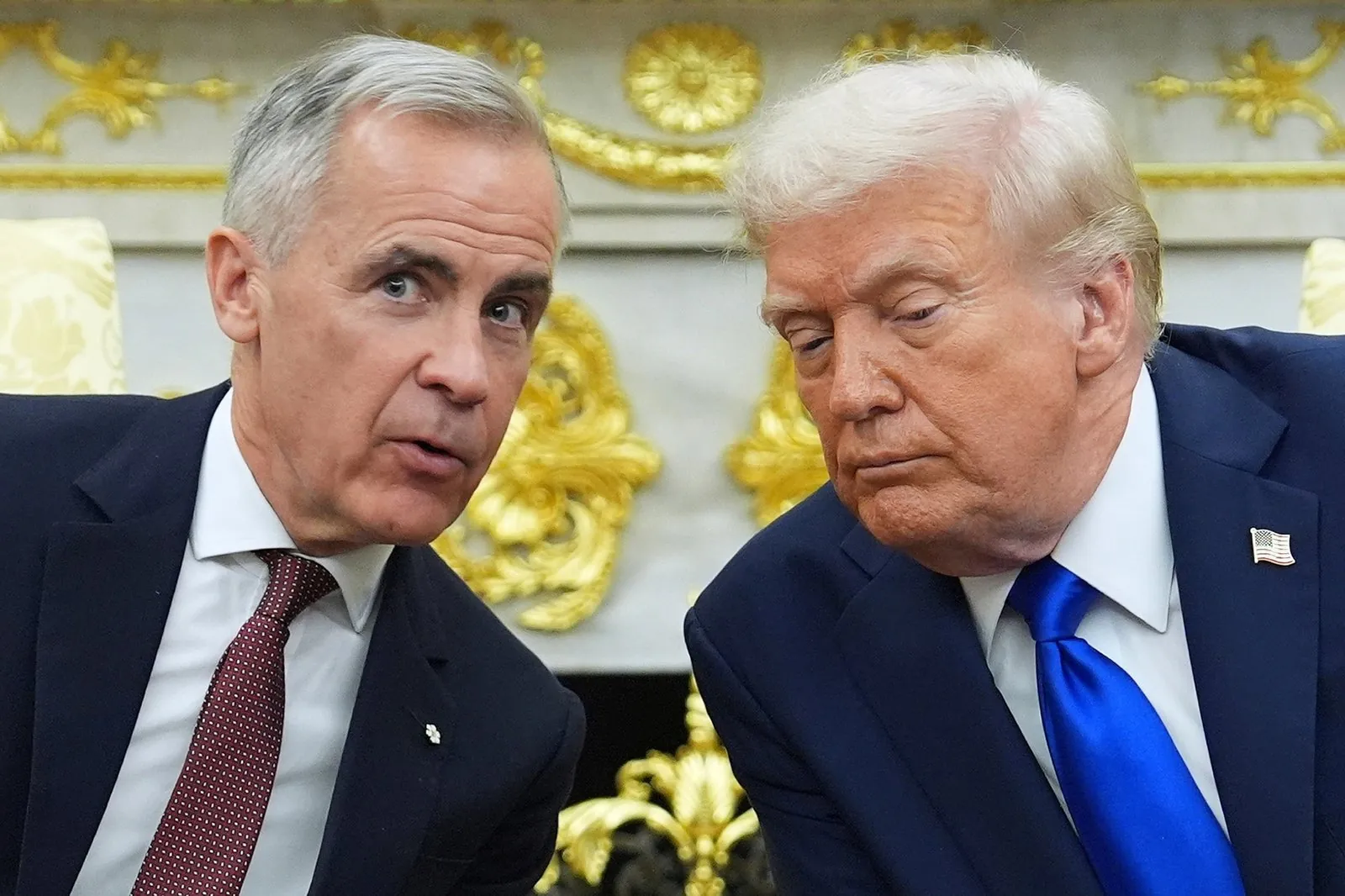
The trade war between Canada and the United States escalated sharply this week, and the auto sector is at the centre of it. President Donald Trump announced he will double tariffs on Canadian-made cars and auto parts from 25 to 50 percent starting January 1, 2027 — a move that will also apply to steel and trucks. Canada retaliated within a day, but deliberately left vehicles out of its counter-measures.
According to ABC News, Canada's retaliatory tariffs — announced Tuesday and reaching as high as 50 percent — target hundreds of U.S. products, including steel and aluminum goods, furniture and clothing. Vehicles are not on the list. The asymmetric response reflects the industry's integration: far more Canadian-built vehicles flow south than American-built vehicles flow north, so hitting U.S. autos would hurt Canadian plants more than American ones.
How we got here
Negotiations between the two countries broke down over the weekend, and a fresh round of 50 percent U.S. tariffs on some Canadian goods took effect Saturday. Prime Minister Mark Carney told a Saturday press conference that American negotiators "asked too much and offered too little," and that U.S. tariff levels on automobiles were a key sticking point — changes he said would have hurt Canada's economy over time. He criticized the administration for using "economic integration as a weapon."
For context on the stakes: in the first half of 2026, the U.S. exported $175.8 billion in goods to Canada — its second-biggest export market after Mexico, accounting for 14 percent of all U.S. exports, according to the U.S. Census Bureau.
What it means for Canadian EV buyers
The January 1, 2027 start date gives the industry roughly four months of breathing room, but the direction is clear and it runs against the recent trend of EV price cuts in Canada. Several consequences matter for electric-vehicle shoppers:
- Vehicles assembled in the U.S. face Canadian cost pressure indirectly. Canada's retaliation spared autos this round, but steel and aluminum tariffs raise input costs on both sides of the border — costs that historically get passed into sticker prices.
- Tariff-exposed EVs get dearer. Models built exclusively in the U.S. and imported into Canada — the Cybertruck chief among them, already priced up to $167,990 in Canada partly because of tariffs — sit directly in the blast radius if the fight escalates further.
- China-built EVs are a separate track. The Carney government's quota deal with Beijing allows up to 49,000 Chinese-made EVs annually at roughly 6 percent tariff — an entirely different regime from the U.S. dispute, and a growing source of lower-priced metal for Canadian buyers.
- Watch incentive responses. Past tariff rounds brought manufacturer-supported employee-pricing and incentive pushes on both sides of the border; expect similar campaigns before the January increase lands.
The bottom line
Nothing in this week's announcements changes Canadian EV prices today. What changes is the trajectory: a 50 percent wall on Canadian-built vehicles entering the U.S. from January, Canadian counter-tariffs biting into U.S. consumer goods, and no negotiations currently scheduled. For buyers, the practical advice is unchanged but more urgent — if a tariff-exposed model is on your list, the window before January 1 is the one to watch.
Looking for EV deals, insurance, or financing? Check out our partner deals and offers.
If you found this guide helpful, use our Tesla referral link for free Supercharging credits on a new Tesla purchase or lease in Canada.
Next story · swipe left
Next story
Nearly Half of Canadians Lean Toward EVs, Price and Selection Still Hold Back Buyers
4 min read
Abacus Data poll for Clean Energy Canada shows 48% EV interest in October 2026, with price awareness and charging payment preferences shaping decisions.
The Charge Brief
Get Canada’s EV transition in your inbox
One email a day. No spam, unsubscribe anytime.