
Tesla Could Let Model Y Owners Join Robotaxi Network as Early as December, Musk Says
Elon Musk told a Model Y owner in Austin that personal vehicles could start earning Robotaxi fares next month. No eligibility rules, revenue split, or Canada timeline have been announced.

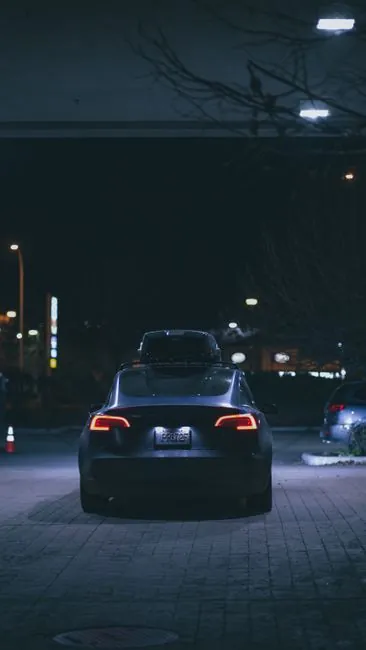
Elon Musk told a Model Y owner in Austin, Texas, that Tesla could begin testing owner participation in its Robotaxi service as early as December. The remark, made on X in response to a question from Uber driver John Welty, is the closest the company has come to a concrete timeline for letting personal Teslas earn fares.
What Musk actually said
Welty, who currently earns between 49 and 63 per cent of passenger fares through Uber, said he would prefer to send his Tesla out independently. Musk replied: "Coming soon. If things well, may start trials next month. Much better to manage a fleet of cars than have to drive just one car by yourself!"
As is typical with many of Musk's off-the-cuff announcements, the post included no details on eligibility requirements, revenue split, operating costs, or which markets would be first.
Where does the Cybercab fit?
The comment did not reference a specific vehicle, although it was in response to a Model Y owner. That raises a question for the small group of private Cybercab buyers: Tesla's invitation-only Cybercab sales launch offers a US$29,990 vehicle with an estimated December delivery, but the purchase terms require separate permission for commercial use. The first Cybercabs are limited to personal use within existing Robotaxi zones.
Musk has already called the mandatory US$299 monthly Autonomy Fee "too high" and suggested roughly US$115 instead. If Tesla allows participating Model Ys to generate revenue while personal Cybercabs remain restricted, the financial case for the Cybercab weakens considerably.
What this could mean for Canadian owners
No Canadian timeline, regulatory pathway, or insurance framework has been announced. Ontario and B.C. currently have no specific legislation governing owner-operated robotaxi services, and Transport Canada's autonomous-vehicle framework is still in its early stages.
- Eligibility unknown: No vehicle criteria, software version, or geographic restriction have been published.
- Revenue split undefined: Owners do not yet know what percentage of fares they would keep versus what Tesla retains for infrastructure and insurance.
- Canadian regulatory gap: Even if the U.S. trials begin in December, Canadian provinces would each need to approve owner-participation in a public ride-hailing service — a process that could take well into 2027 or later.
For Canadian Tesla owners, the announcement is a signal that the feature is technically further along than previously suggested, but the practical path from Austin trials to a Toronto driveway remains uncertain.
Looking for EV deals, insurance, or financing? Check out our partner deals and offers.
If you found this guide helpful, use our Tesla referral link for free Supercharging credits on a new Tesla purchase or lease in Canada.
Next story · swipe left
Next story
Canadian ZEV Adoption Held Over 10% in July as Federal Rebate Draws Buyers
5 min read
Zero-emission vehicles accounted for 10.7% of Canadian new vehicle sales in July 2026 — the second straight month above 10% — up from 7.7% in July 2025. The revived federal EV rebate is pulling reluctant buyers into battery-electric and plug-in hybrid showrooms, but the pace still leaves Canada far from its original 2035 electrification target.
The Charge Brief
Get Canada’s EV transition in your inbox
One email a day. No spam, unsubscribe anytime.