technology
teslaTesla Publishes FSD Safety Evidence Ahead of October 6 EU Vote — 4.1x Fewer Crashes Claimed
Tesla has open-sourced the Article 39 FSD Supervised safety dashboard it gave European regulators ahead of an October 6 EU-wide approval vote. The data covers 102 million km across five countries — but France is opposed and Canada still has no FSD timeline.
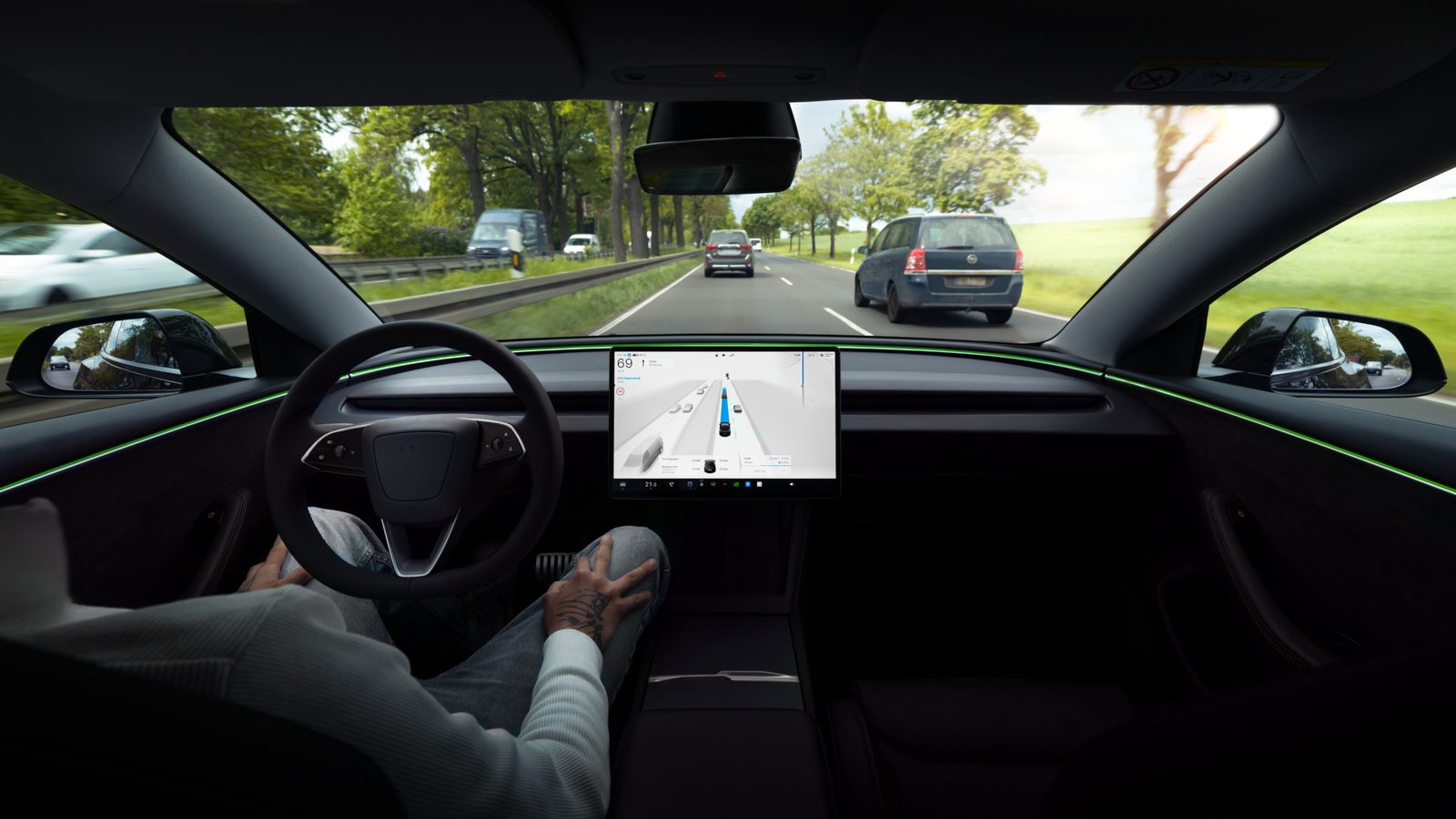
Tesla has open-sourced a key piece of the safety evidence behind its European expansion push. Ahead of a potential EU-wide approval vote on October 6, the company has published the Article 39 Full Self-Driving (FSD) Supervised dashboard it submitted to regulators — the same document Tesla Europe says was shared with all EU member states in April, shortly after the Netherlands' RDW granted its approval.
The stakes: if the Technical Committee on Motor Vehicles extends the Dutch approval across the bloc, FSD Supervised becomes legal in every EU country at once. Tesla says more than 70,000 customers already use the system in the five countries where it is recognized — the Netherlands, Denmark, Belgium, Estonia and Lithuania — driving over one million kilometres with it every day.
What the safety data claims
- 4.1x fewer crashes: across about 102 million kilometres driven in those five countries over the last five months, Tesla says FSD Supervised was 4.1 times less likely to be involved in a crash than manual Tesla driving. A July update put the multiple at 5.2x after 65 million kilometres — the newer claim covers a larger sample at a lower multiple.
- 40–69% fewer major collisions: versus manually driven Teslas with active safety features, across road classes in 2025.
- Up to 84% fewer AEB activations: automatic emergency braking fired less often with FSD engaged.
- 99% fewer lane-change collisions on highways (93% off highway) across 377 million fleet manoeuvres.
- Data cutoff: every dated measurement window in the file closes in 2025, predating the most recent software versions.
The regulatory hurdle
Tesla says it tuned FSD to follow UN Regulation 171 for Driver Control Assistance Systems, then sought Article 39 exemptions for certain behaviours — including system-initiated manoeuvres with hands-on requests withheld and, in some cases, matching surrounding traffic above a detected speed limit. Extending the Dutch approval bloc-wide requires a qualified majority of at least 15 states representing 65% of the EU population. The five countries already on board cover only about 8.9% of that population, and France has said it will not authorize FSD Supervised in its current form.
Why this matters in Canada
Canadian Tesla owners have watched FSD Supervised arrive in country after country while their own regulator stays silent. The EU vote on October 6 is the next test of whether Tesla's safety-evidence strategy — publish the data, let regulators scrutinize it — can convert one national approval into many. A bloc-wide green light would add pressure on other jurisdictions, including Canada and the United States, to clarify their own positions on hands-on supervised autonomy systems.
Until then, the published dashboard is the most detailed public record of how Tesla argues FSD's safety case — and, with every measurement window closing in 2025, the clearest picture yet of which data the company considers strong enough to rest an expansion on.
Looking for EV deals, insurance, or financing? Check out our partner deals and offers.
If you found this guide helpful, use our Tesla referral link for free Supercharging credits on a new Tesla purchase or lease in Canada.
Next story · swipe left
Next story
Range Rover Electric 2027 Lands in Canada: $200,800, 535 km Range, NACS Port
4 min read
The 2027 Range Rover Electric arrives in Canada at $200,800 in Autobiography trim — 542 hp, 627 lb-ft, a 118.5-kWh 800-volt battery, 535 km of EPA range and a native NACS port for Tesla Supercharger access.
The Charge Brief
Get Canada’s EV transition in your inbox
One email a day. No spam, unsubscribe anytime.