
industry
Lucid CEO Admits Company 'Didn't Even Know Where Cars Were' — Delivery Delays Cost Orders
Lucid CEO Silvio Napoli revealed on the Q3 2026 earnings call that the company could not track its own vehicles through production and shipping, causing two-week delivery delays and lost sales.

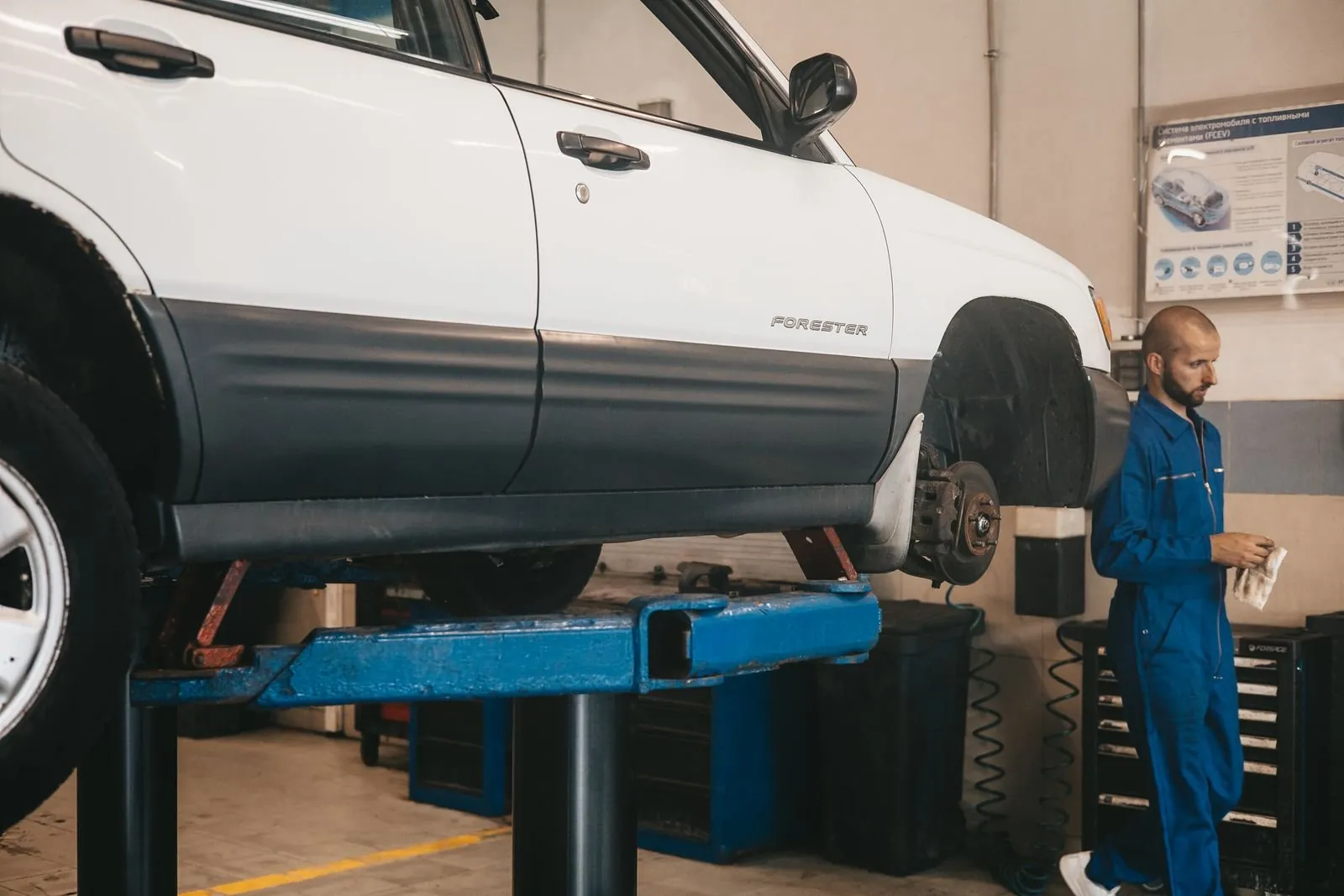
Lucid Motors CEO Silvio Napoli made a blunt admission on the company's Q3 2026 earnings call: the automaker could not locate its own vehicles during the first part of the quarter. "So beginning of Q3, we struggled because, and I have to say this, we didn't even know where cars were," Napoli told investors during the Monday conference call.
What went wrong
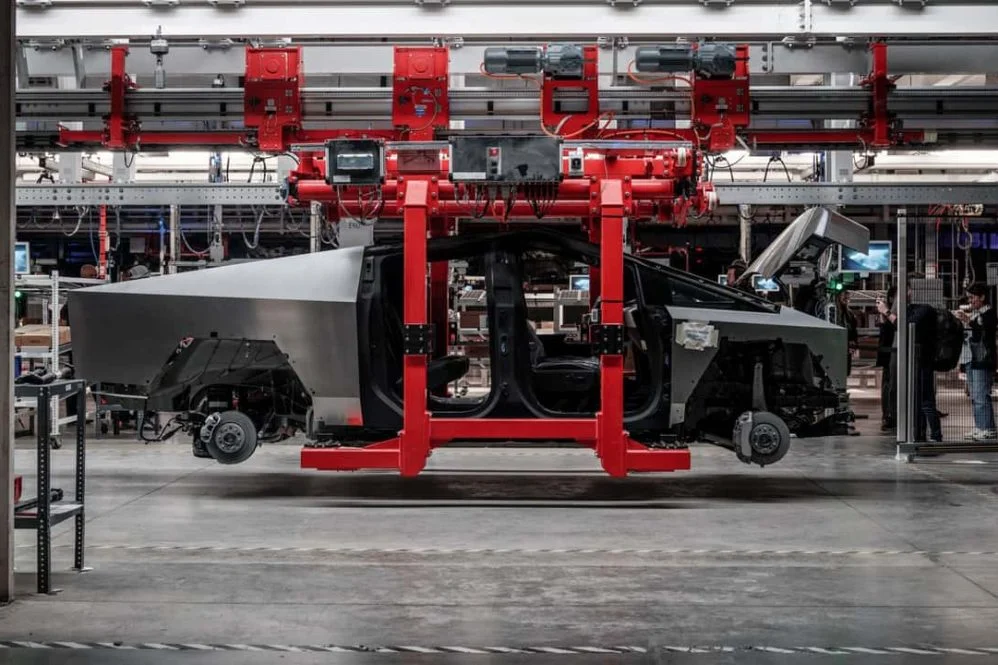
According to Napoli, Lucid lacked basic visibility into where vehicles sat across production, shipping, and storage. The gap between the factory and the customer was not just a logistics problem — it was a sales problem. Customers placed orders, but the company sometimes could not deliver within the timeframe needed to close the sale.
"We had orders that were taken where it would take sometimes two weeks to deliver to the customer, and so we will lose the order," Napoli said. In a market where a luxury EV buyer can shop across multiple brands, a two-week uncertainty window is enough for a deposit to evaporate.
The numbers behind the admission
- Q3 2026 deliveries: 3,806 vehicles, down 7% year-over-year
- Production: 2,954 vehicles (deliberately reduced to work down inventory)
- Revenue: US$350 million
- Net loss: US$831 million
- Inventory at end of September: US$1.22 billion
The production figure is below deliveries, which means Lucid was drawing down the US$1.22 billion inventory pile it built up in earlier quarters. The company said it is deliberately running production below demand to normalize stock levels.
What Lucid says it has done
Napoli said the company has since improved its vehicle-tracking systems across production, shipping, and storage. The goal, in his words, is to let the sales team "sell the cars that we know can be available on the day for the customers who require it." The fix is operational rather than technological — better data pipelines between the factory, logistics partners, and dealer inventory systems.
What this means for Canadian buyers
Lucid sells the Air and Gravity in Canada through a limited dealer network. The delivery-delivery problem Napoli described is a North American issue, not a Canada-specific one, but it directly affects any Canadian customer waiting on an order. With inventory at US$1.22 billion and production deliberately constrained, Canadian buyers should expect shorter wait times going forward — but the company's negative gross margin (−74% per the Q3 report) means pricing pressure is unlikely to ease soon.
The PIF loan expansion announced the same week (US$1.75 billion additional facility) gives Lucid the capital to fix these operational gaps, but the admission itself is a reminder that even well-funded EV startups can stumble on the basics of knowing where their product is.
Looking for EV deals, insurance, or financing? Check out our partner deals and offers.
If you found this guide helpful, use our Tesla referral link for free Supercharging credits on a new Tesla purchase or lease in Canada.
Next story · swipe left
Next story
Get Paid to Charge at Home: Compare Every EV Charging Rewards Program in Canada
5 min read
20 programs now share Clean Fuel Regulations credit revenue with Canadian EV drivers. New comparison page filters by province, charger type (Tesla Wall Connector vs OCPP), and payout schedule. Key rule: one program per charger per calendar year.
The Charge Brief
Get Canada’s EV transition in your inbox
One email a day. No spam, unsubscribe anytime.