
vehicles
batteryFord Reports 92% Battery Health for Mustang Mach-E 'Class of 2021' After 5 Years
Ford's real-world data on 36,000 Mustang Mach-Es shows an average 92% battery health retention after five years and 2 billion miles driven, debunking long-term EV degradation concerns.

Ford has released compelling real-world data on its first mass-market electric vehicle, the Mustang Mach-E, revealing that the "Class of 2021" models retain an average of 92 percent battery health after five years of ownership. This announcement, made by Ford's "From the Road" engineering team, provides concrete evidence against common concerns regarding long-term EV battery degradation.
The Data Behind the Claim
The study analyzed battery state-of-health data from more than 36,000 Mustang Mach-E vehicles sold in the U.S. and Canada. These vehicles have collectively logged approximately 2 billion all-electric miles across all 50 states and Canada. The data indicates that 95 percent of the vehicles fall within a healthy range of 87 to 97 percent battery health, suggesting consistent performance across the fleet rather than isolated outliers.
- Average Health: 92% retention after 5 years
- High-Mileage Group: 2,000+ owners past 100,000 miles average >91% health
- Extreme Use Case: 30+ drivers past 200,000 miles average 88% health
- Total Distance: 2 billion miles driven by the 2021 cohort
Implications for Canadian Buyers
For Canadian buyers considering used or certified pre-owned Mach-Es, this data offers reassurance regarding residual value and reliability. Ford notes that these vehicles use NCM (Nickel Cobalt Manganese) battery chemistry, which is designed to handle moderate charging levels for daily use. The company emphasizes that following specific charge-level recommendations in the Ford App is key to maintaining these health metrics.
As the EV market matures, OEMs like Ford are increasingly using fleet data to validate durability claims. This transparency helps differentiate established EV models from newer entrants with less historical data available.
Looking for EV deals, insurance, or financing? Check out our partner deals and offers.
If you found this guide helpful, use our Tesla referral link for free Supercharging credits on a new Tesla purchase or lease in Canada.
Next story · swipe left
Next story
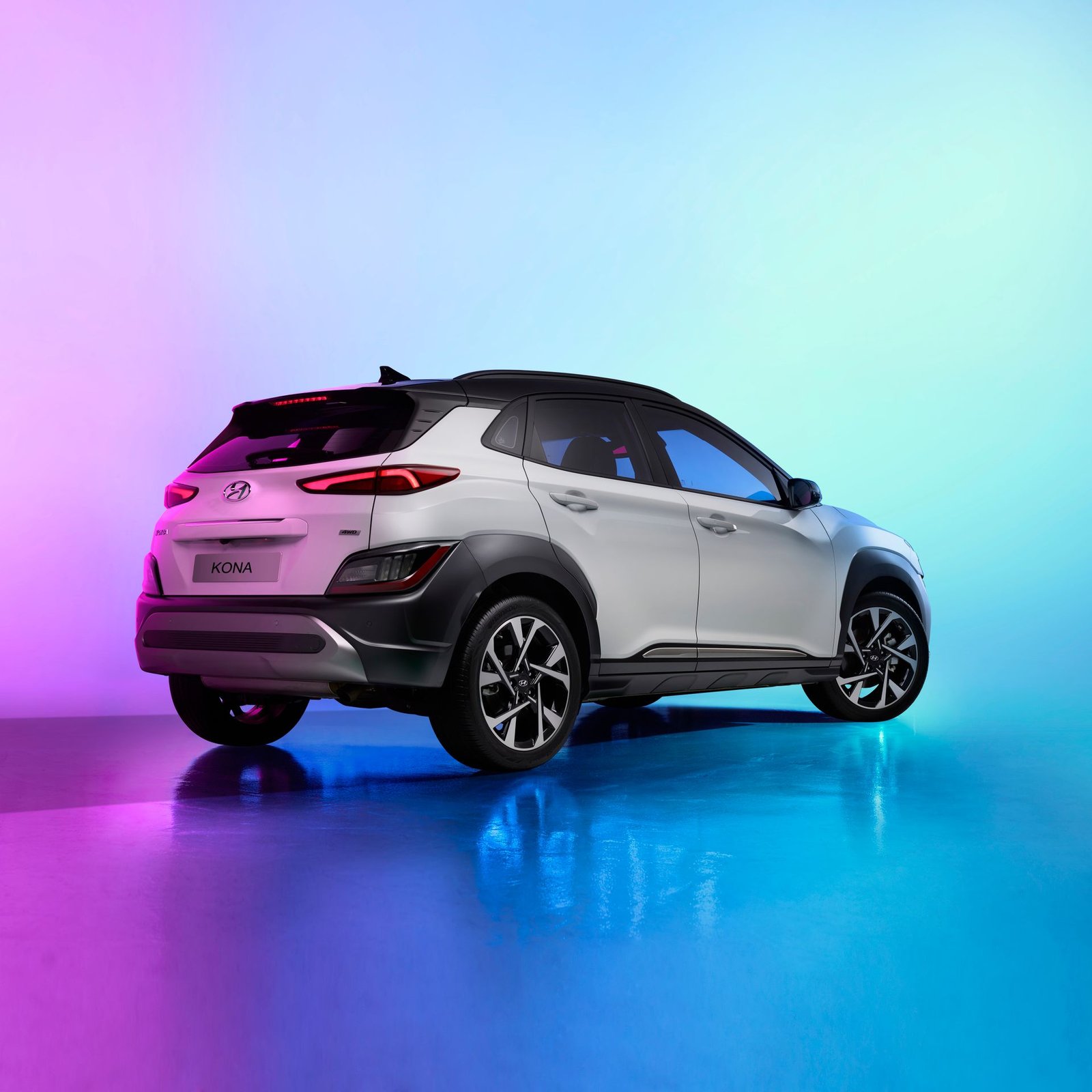
Hyundai Recalls 37,901 Kona EV and Veloster N Vehicles Over Airbag Software Defect
4 min read
Hyundai Motor America filed NHTSA campaign 26V728, recalling 29,058 Kona Electric and 8,843 Veloster N vehicles. A software error in the airbag control unit can deactivate the entire airbag system. Canadian owners should check their VIN before January 1.
The Charge Brief
Get Canada’s EV transition in your inbox
One email a day. No spam, unsubscribe anytime.