
industry
chineseFirst Chinese-Made EVs Reach Canada: Lotus Eletre Leads as Quota Era Begins
The Glovis Treasure delivered Chinese-built Lotus Eletre SUVs to Vancouver under the Carney-Xi deal — 49,000 EVs allowed in at ~6% tariff. BYD plans 20 Canadian dealerships. What actually arrives, and when cheaper models come.
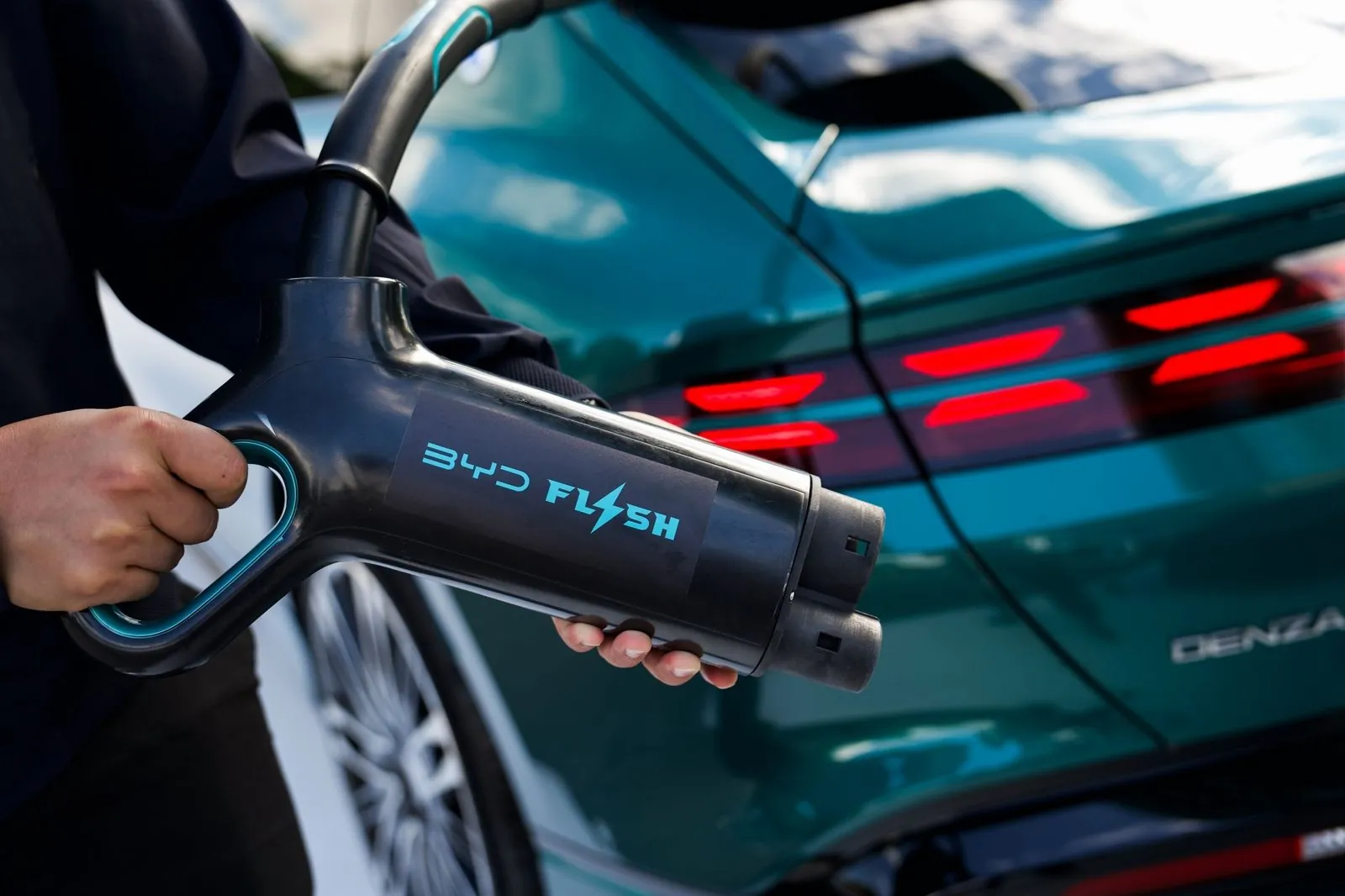
The first Chinese-made electric vehicles have arrived in Canada under the trade arrangement Prime Minister Mark Carney struck with President Xi Jinping in January. A vehicle carrier, the Glovis Treasure, has been moored outside the Port of Vancouver carrying a small number of Chinese-built Lotus luxury SUVs, according to shipping data compiled by Bloomberg — the leading edge of a quota system that reopens Canada's market to Chinese EVs after two years of a 100 percent surtax shut them out.
What the deal allows
The arrangement permits as many as 49,000 Chinese EVs into Canada over a 12-month period at a tariff rate of around 6 percent. Before this year, Canada's tariff on those vehicles exceeded 100 percent — a measure the previous government imposed in October 2024. The 49,000-car quota represents less than 3 percent of the Canadian new-vehicle market, and it mirrors the annual pace of Chinese-made EV imports (primarily Teslas shipped from Shanghai) that Canada received before the surtax.
The cap is structured to evolve. Starting in 2027, a growing share of the quota will be reserved for vehicles costing $35,000 or less, reaching 50 percent of the allowance by 2030 — a deliberate mechanism to push the quota from luxury stopgap toward affordable supply.
Who's shipping first
The opening shipments are not budget cars. Lotus — owned by Zhejiang Geely Holding — posted a video of 18 Eletre SUVs rolling onto a ship at Shanghai on May 7, with models starting at $119,900. Carney, speaking at the Economic Club of New York, said most cars shipped under the quota will initially be Teslas built in China, with "a broader range of lower cost cars coming in over time, but in a controlled way."
Canadian officials are still debating how to divide the quota among manufacturers, including whether to cap any single company's share so one automaker cannot dominate the allowance.
BYD builds its Canadian footprint
The manufacturer most openly preparing for the quota era is BYD. The company is planning roughly 20 sales locations with partners in Canada, according to an adviser to BYD who spoke with Bloomberg. Its hiring push has begun in earnest: ten management positions are now advertised through BYD North America in Toronto, spanning sales, marketing, dealer development, finance, aftersales and operations — with the listings drawing more than 100 applications each within 24 hours.
The job descriptions point to a traditional dealership network rather than Tesla-style direct sales. Zeekr, Geely's premium brand, has posted six senior leadership roles of its own. Industry reporting suggests both companies' consumer launches may now slip to 2027 as the quota system's per-manufacturer uncertainty complicates planning.
What it means for Canadian buyers
- Don't expect BYD showrooms this year. Hiring is real, but launch timing depends on quota allocations that haven't been finalized.
- The first wave is luxury. Lotus Eletres and China-built Teslas set the tone early; the $35,000-and-under reserved share only phases in from 2027.
- Price pressure is the point. Ottawa's own framing treats the quota as a lever for lower-cost EVs in a market where average EV prices remain well above gas equivalents.
- Separate track from the U.S. trade war. The China quota is unaffected by this week's U.S. tariff escalation — the two regimes don't interact.
Looking for EV deals, insurance, or financing? Check out our partner deals and offers.
If you found this guide helpful, use our Tesla referral link for free Supercharging credits on a new Tesla purchase or lease in Canada.

Next story · swipe left
Next story
This fascinating folding e-bike is lighter than Brompton’s lightest electric bike
2 min read
British e-bike manufacturer FLIT has introduced the FLIT M2i , a new ultra-lightweight folding electric bike that undercuts the weight of Brompton’s…
The Charge Brief
Get Canada’s EV transition in your inbox
One email a day. No spam, unsubscribe anytime.