How to Extend EV Range in Winter Canada: Tips That Work
Extending EV range in Canadian winters is practical with the right habits. Here are proven techniques for preconditioning, tire choice, cabin heating, and charging strategy in cold weather.

Winter range loss is the most common complaint among Canadian EV owners, but many of the factors that reduce range are manageable with simple behavioural changes. Preconditioning, tire pressure, cabin heating strategy, and charging habits all have measurable effects on usable range in cold weather. In 2026, most modern EVs include features that make winter ownership easier, but drivers who understand the underlying principles can extend their range further than the vehicle’s default settings allow.
Precondition Before You Drive
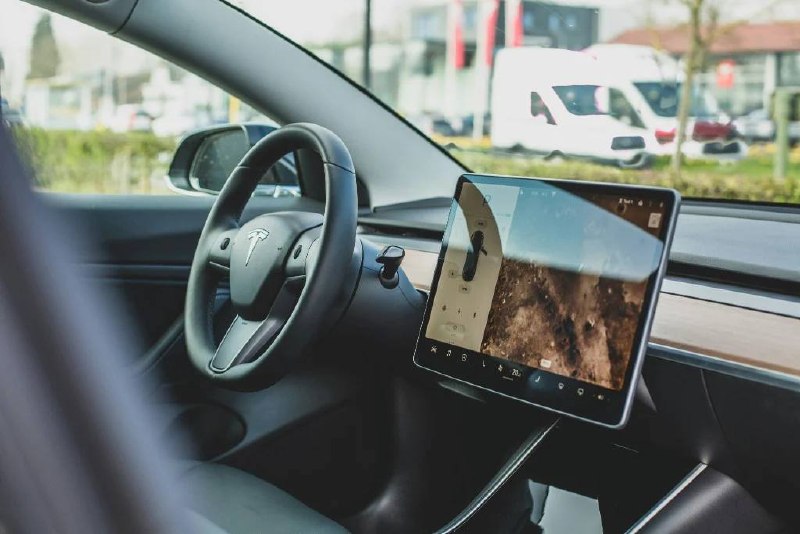
Preconditioning the battery and cabin while the EV is still plugged in is the single most effective winter range strategy. Setting departure climate control through the vehicle app raises the battery temperature to an efficient operating range and warms the cabin without drawing energy from the pack. Drivers who skip preconditioning may see 10 to 15 percent additional range loss on top of normal cold-weather reduction. Most EVs allow scheduled or app-based preconditioning; learn how it works on your vehicle before winter arrives.
Tire Pressure and Winter Tires
Cold temperatures reduce tire pressure, which increases rolling resistance and reduces range. Check tire pressure weekly in winter and inflate to the manufacturer’s recommended cold-weather specification. Winter tires preserve range compared to all-season tires in consistent sub-zero conditions because their rubber compound stays flexible and maintains grip without requiring the stability control system to work as hard. Some EV owners avoid winter tires because of cost, but the safety and efficiency benefits usually justify the expense within one season.
Cabin Heating Strategy
Heated seats and heated steering wheels warm occupants more efficiently than heating the entire cabin air. Drivers who use seat and steering wheel heaters first, with moderate cabin temperature settings, can reduce heating energy demand by 20 to 30 percent compared to warming the whole cabin to 24°C. Heat pumps are more efficient than resistive heating, but even heat-pump vehicles benefit from lower cabin temperature settings in extreme cold. Dress in layers and use seat heaters rather than relying entirely on air heating.
Charging Habits
DC fast charging in very cold weather is slower because battery chemical reactions are less efficient. Preconditioning before reaching a fast charger raises the pack temperature and restores faster charging speeds. Drivers who route through chargers with heated cables or covered bays also avoid additional battery cooling from wind and precipitation. If your vehicle offers a battery thermal management mode, activate it before long trips in cold weather.
Looking for EV deals, insurance, or financing? Check out our partner deals and offers.
If you found this guide helpful, use our Tesla referral link for free Supercharging credits on a new Tesla purchase or lease in Canada.
Next story · swipe left
Next story
EV Public Charging Costs Canada 2026: What Drivers Actually Pay
6 min read
Public EV charging costs in Canada vary by network, province, and membership. Here is what drivers pay per kWh, per minute, and per session in 2026 — and how to minimize costs.
The Charge Brief
Get Canada’s EV transition in your inbox
One email a day. No spam, unsubscribe anytime.