vehicles
EV Depreciation in Canada 2026: Which Models Hold Value Best
EV depreciation varies widely by model, brand, battery warranty, and market demand. Here are the electric cars that hold value best in Canada and which ones to avoid for resale.

EV depreciation has stabilized in Canada as the market matures, but some models still lose value faster than others. Buyers who plan to sell or trade their EV within three to five years should prioritize models with strong resale histories, long battery warranties, and stable brand outlooks. Vehicles from manufacturers with uncertain EV futures or outdated architectures carry higher depreciation risk and lower buyer confidence in the used market.
Models That Hold Value
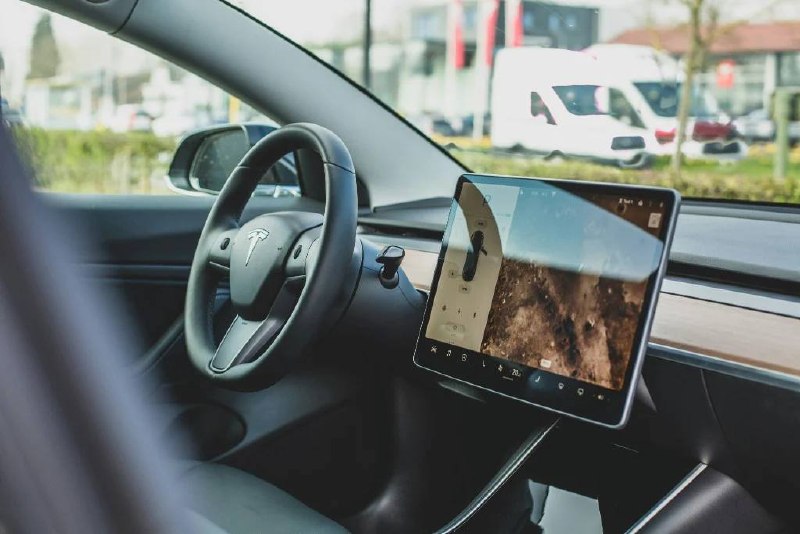
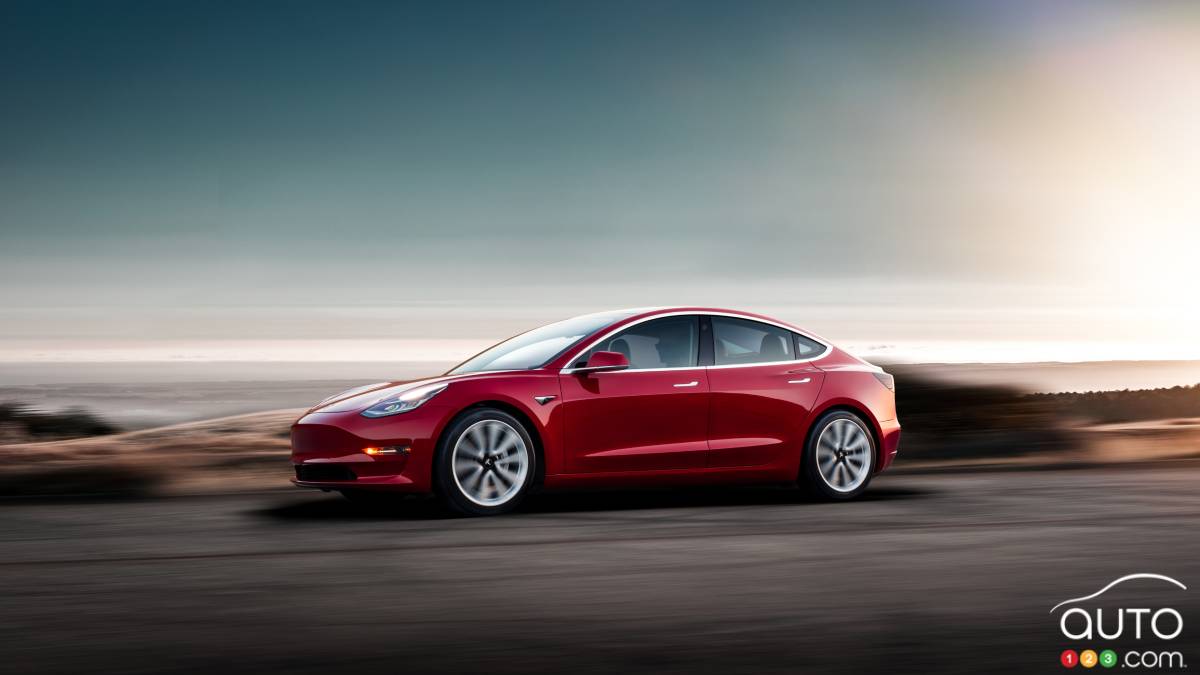
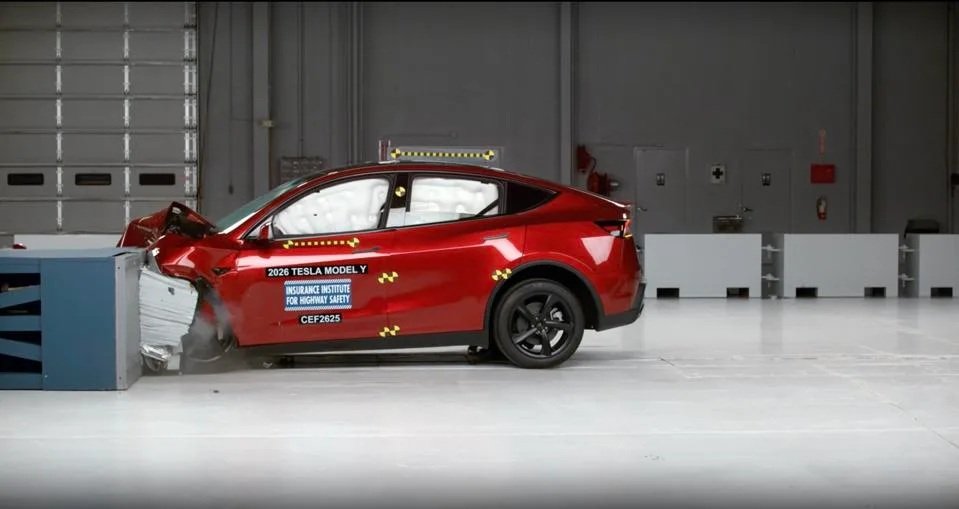
The Tesla Model Y and Model 3 remain the best EV resale values in Canada because of strong demand, extensive service networks, and battery performance that proves durable in real-world use. Hyundai and Kia models — including the Ioniq 5, Ioniq 6, and EV6 — are gaining resale strength as buyer confidence in their battery longevity and warranty support improves. The Ford Mustang Mach-E holds value reasonably well in urban markets where styling and performance appeal outweigh range anxiety concerns.
Models with Higher Depreciation
First-generation EVs with small batteries, limited range, and no battery warranty — including early Nissan Leafs and older BMW i3s — depreciate rapidly in the Canadian used market. These vehicles are still useful as city cars, but buyers should price them accordingly and expect limited demand if reselling. Luxury EVs from brands exiting the Canadian market or discontinuing EV lineups also carry higher depreciation risk because parts and service become scarcer over time.
How to Reduce Depreciation
Owners can protect resale value by maintaining battery health through proper charging habits, keeping service records, avoiding extreme temperatures during storage, and preserving the vehicle’s physical condition. Original wheels, interior trim, and software updates matter to buyers: a vehicle that has been modified heavily or has outdated infotainment will appeal to fewer purchasers. Documentation of battery health reports and warranty status also reassures buyers and supports higher offers.
Resale Planning
Buyers who plan to trade or sell within three years should choose models with strong three-year resale projections, typically above 60 percent of original value. Vehicles with longer battery warranties and brand commitments to EV software updates command premium resale prices. Compare projected resale values before purchasing rather than focusing only on monthly payments or sticker price, because a slightly higher monthly cost may be offset by a stronger resale outcome.
Looking for EV deals, insurance, or financing? Check out our partner deals and offers.
If you found this guide helpful, use our Tesla referral link for free Supercharging credits on a new Tesla purchase or lease in Canada.
Next story · swipe left
Next story
Ontario Just Set an EV Sales Record — With No Provincial Rebate
5 min read
Ontario recorded its highest-ever EV market share in June 2026: 9.4 percent of new vehicle sales, or 7,365 cars, up 94 percent year-over-year — and it happened without a provincial rebate. Nationally, 21,876 ZEVs were sold as the federal $5,000 incentive bites.
The Charge Brief
Get Canada’s EV transition in your inbox
One email a day. No spam, unsubscribe anytime.