infrastructure
chargingElectric Buses in Canada 2026: Cities and Transit Electrification
Electric buses in Canada in 2026 — fleet numbers, charging infrastructure, funding, and which cities are leading the transit electrification push.
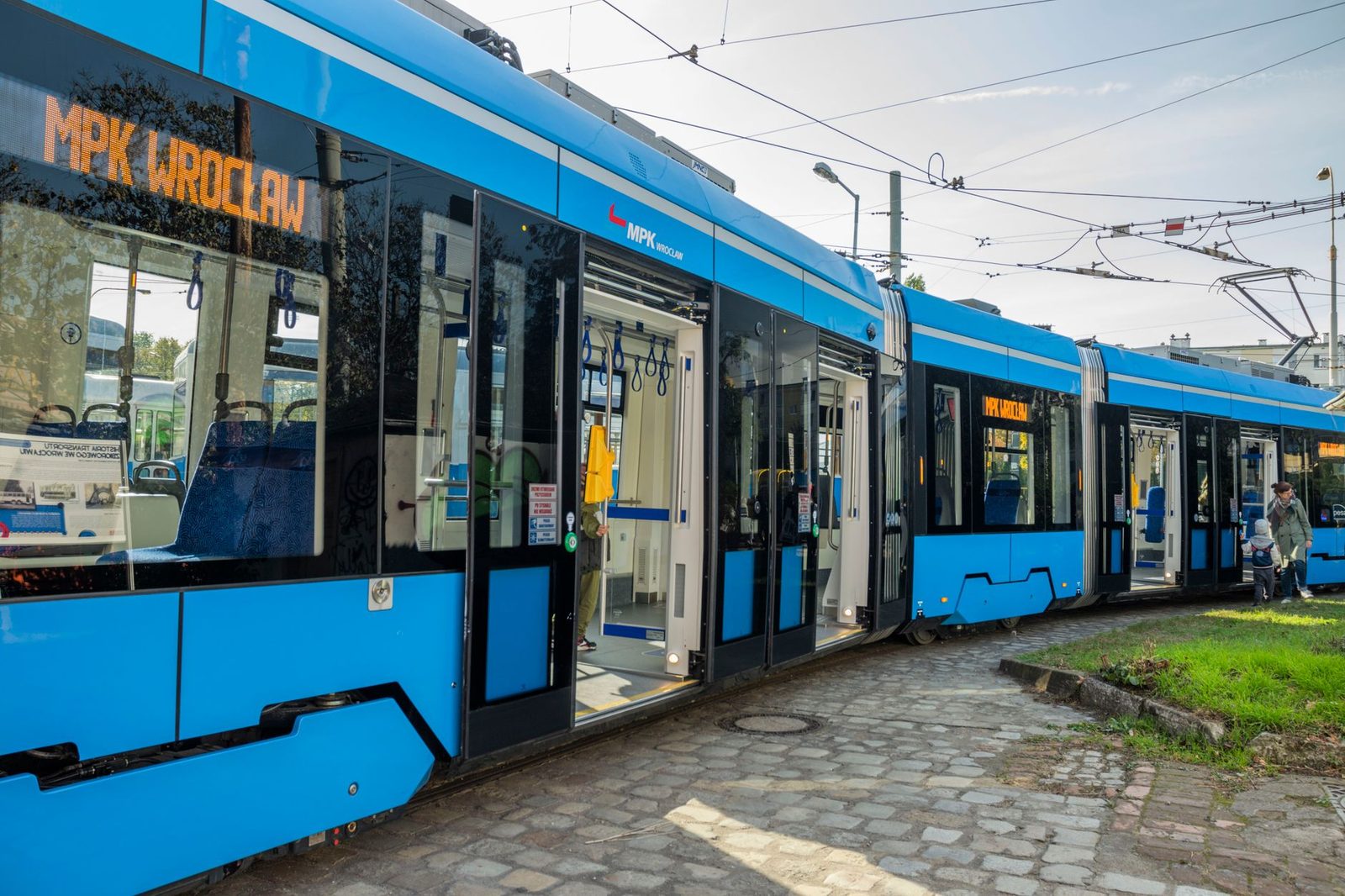
Electric bus adoption in Canada accelerated in 2026 as federal funding, provincial incentives, and manufacturer availability aligned. Transit agencies in major cities now have clear electrification targets, and bus manufacturers have responded with models suited to Canadian winters, long routes, and heavy passenger loads. The transition is not uniform — some cities have deployed hundreds of electric buses while others are still in pilot phases — but the overall trajectory is toward electric transit fleets within the next decade.
Leading Cities
Vancouver, Toronto, Montreal, and Ottawa have the largest active electric bus fleets in Canada. Vancouver’s TransLink has been a consistent early adopter, with electric buses now serving multiple routes across the Lower Mainland. Toronto Transit Commission has expanded its electric bus trials into regular service on shorter routes where overnight depot charging is practical. Montreal’s STM and Ottawa’s OC Transpo have both placed significant orders and are installing depot charging infrastructure to support larger fleets.
Funding and Programs
Federal infrastructure programs and provincial zero-emission vehicle initiatives provide capital funding for electric bus purchases and charging installation. The Canada Infrastructure Bank and Infrastructure Canada programs cover a meaningful share of vehicle and charger costs for eligible transit agencies, which reduces the financial risk of fleet conversion. Provincial programs in Quebec, Ontario, and BC add additional layers of support, often targeting specific emission reduction goals tied to public transit.
Charging Infrastructure
Electric bus charging in Canada relies primarily on depot-based opportunity charging rather than public fast-charging networks. Buses charge overnight at maintenance facilities and receive short top-ups during scheduled layovers. This approach requires significant electrical upgrades at transit garages, which is one of the hidden costs of fleet electrification. Some agencies are also testing overhead pantograph charging at terminal points, which allows faster charging without tying up charging bays at the depot.
Challenges and Outlook
Electric bus adoption still faces winter range concerns, especially for agencies with long rural or express routes that exceed a single charge. Battery preconditioning and cabin heating demands reduce usable range in cold weather, which means transit planners need to include charging midpoints on longer routes. Despite these challenges, electric buses offer lower operating costs than diesel models over their lifecycle, and air quality benefits in dense urban areas make electrification a political as well as an economic priority.
Looking for EV deals, insurance, or financing? Check out our partner deals and offers.
If you found this guide helpful, use our Tesla referral link for free Supercharging credits on a new Tesla purchase or lease in Canada.
Next story · swipe left
Next story
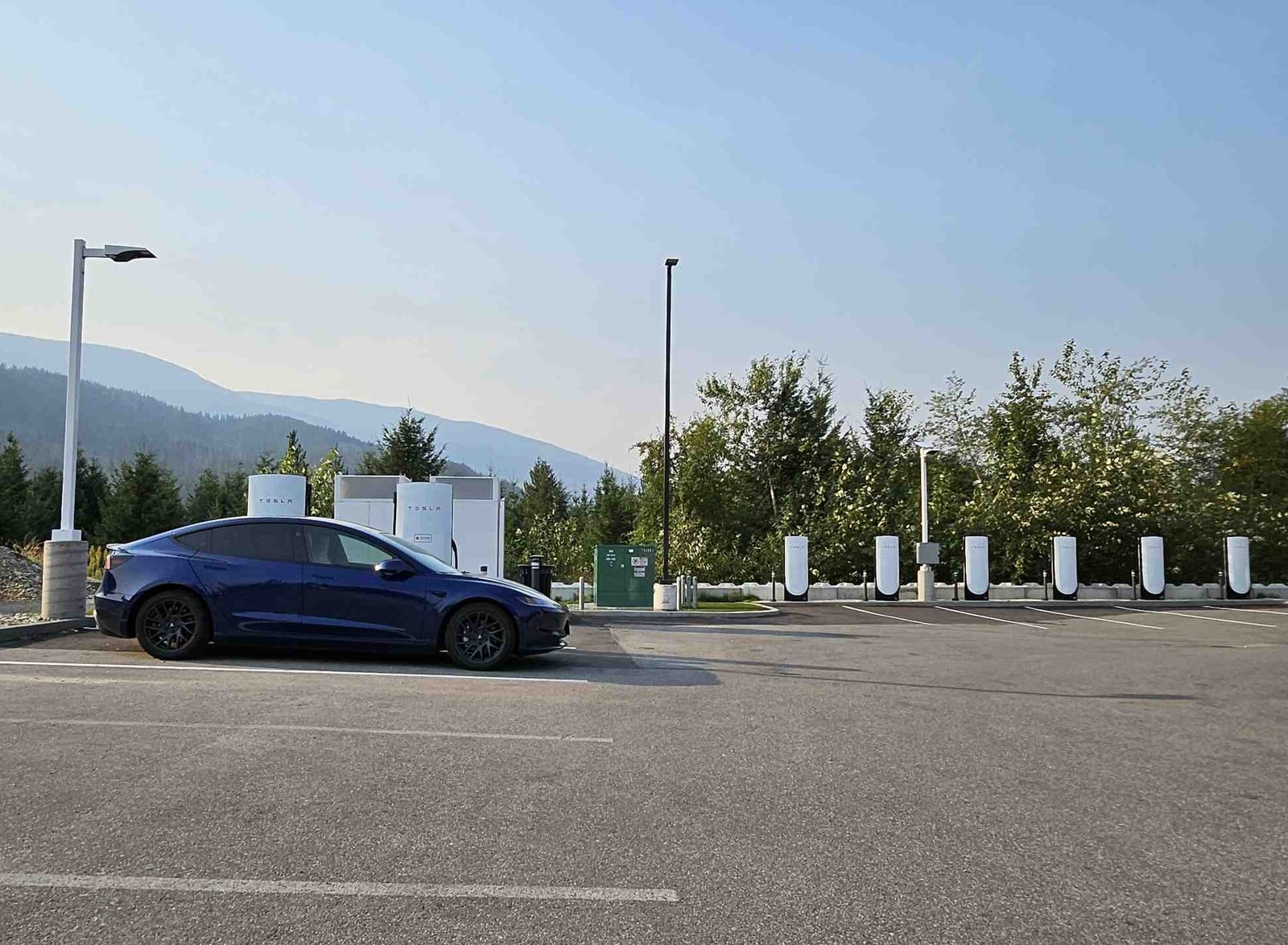
Tesla's New Sicamous Supercharger: 8 V4 Posts Open on the Trans-Canada Highway
3 min read
Tesla has energized eight V4 Supercharger stalls at the Sicamous Dairy Queen on Highway 1 — one of its fastest Canadian builds ever. Tesla owners pay $0.28/kWh off-peak; Keremeos could be next.
The Charge Brief
Get Canada’s EV transition in your inbox
One email a day. No spam, unsubscribe anytime.